
In precision manufacturing, the quality and consistency of your heat treatment process can make or break your final product. At the core of this process is the heat treatment solution, most commonly composed of Polyalkylene Glycol (PAG) — a low-toxicity, biodegradable compound also used in cosmetics.
Unlike traditional oils or additives, PAG is gentle on both equipment and the environment. When diluted below 0.1%, it poses virtually no harm to living organisms and generates minimal biological oxygen demand (BOD), making disposal far safer and more sustainable. For unused solutions, advanced filtering devices like Polymer Separation Devices (PSD) can separate out valuable components while allowing safe water disposal.
However, the story changes once the solution is used. Industrial heat treatment environments introduce various contaminants into the mix — many of which can degrade solution performance, damage equipment, or even skew your quality control metrics.
Let’s break down the key types of contamination and what you can do about them.

Solid Particle Contamination: The Silent Disruptor
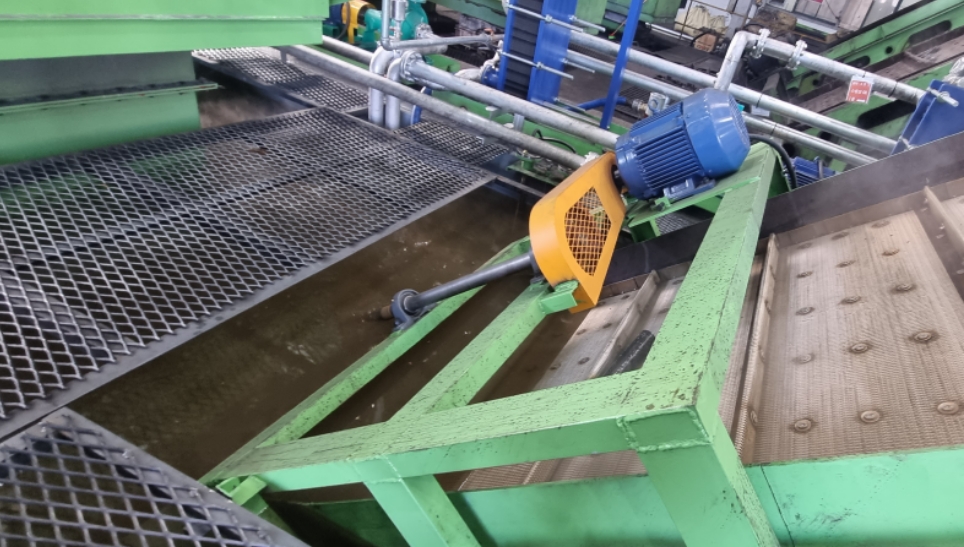
Over time, heat treatment tanks tend to accumulate iron oxide scale, dirt, dust, and machining debris. These floating particles don’t directly affect cooling speed like some salts, but they interfere with adhesion to the PAG film, reduce the solution’s rust-prevention properties, and contribute to equipment wear and breakdowns.
Best Practices: Combine filtration, magnetic separation, or centrifugation methods to effectively remove solids. Using two complementary methods provides better results than relying on just one.
Salt Contamination: Invisible but Impactful
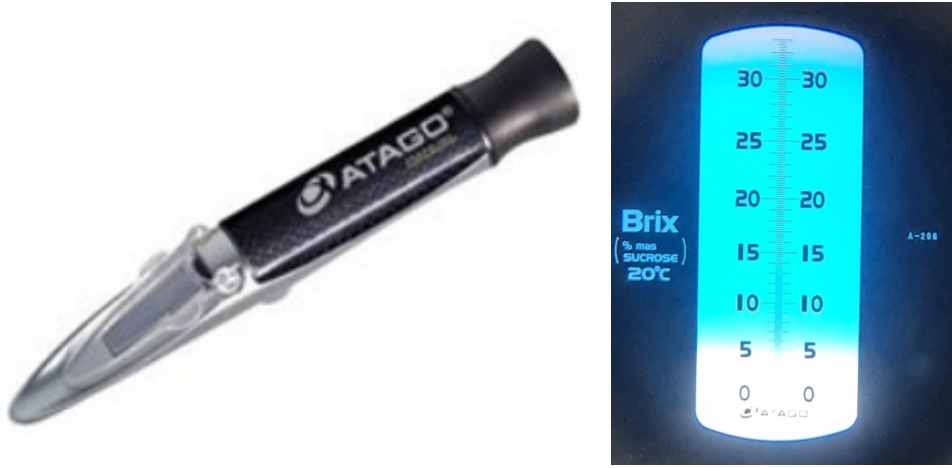
Even when using tap water, long-term use of low-grade groundwater can lead to salt accumulation in your system. These salts alter the cooling rate and often result in inaccurate refractometer readings, leading operators to believe the solution is more concentrated than it really is.
Solution: Always cross-check with a viscometer or calibrated concentration meter to maintain precise process control.
Mineral Oil Contamination: Cooling and Combustion Risks
Hydraulic oils, quenching oils, and machining lubricants can easily find their way into your heat treatment solution. These oils slow cooling rates, reduce material hardness, and may even ignite on the solution’s surface.
Watch Out For: Tank conversions from oil-based to water-soluble systems can leave residual oil in heat exchangers, which contaminates the solution over time.
Microbial Contamination: Warm Weather’s Hidden Threat
In active systems, microorganisms typically don’t survive. But when operations pause — especially in warm environments — oil-contaminated solutions can become breeding grounds for bacteria.
Fortunately, PAG is naturally biodegradable, making it safer and more eco-friendly than petroleum-based alternatives. You can prevent microbial growth through tank aeration or the addition of non-toxic biocides.

Degreaser Contamination: A Data Distortion Trap
In some workflows, machining occurs before heat treatment, and cutting oils or degreasers can remain on the product. Over time, these build up in the solution, leading to increased refractometer readings — even as the actual PAG concentration drops.
Tip: Don’t rely solely on a refractometer. Always verify readings with a viscometer to ensure your solution concentration is accurate and consistent.
Environmentally Safe, Operationally Smart
While PAG-based solutions offer significant environmental and operational advantages, they are still vulnerable to contamination. By proactively managing pollutants — from solids to oils — you can extend the life of your solution, improve part quality, and reduce equipment downtime.
Ready to optimize your heat treatment system?
Connect with our technical team for customized filtration and solution monitoring strategies that keep your operations running clean and compliant.

Dyna Co., Ltd.
Industrial Lubricant Solution
E-Mail : dyna@dynachem.co.kr
Web : dyna.co.kr/en/
 DYNA Co., Ltd
댓글 남기기