• In heat treatment processes, we often hear statements like:

    “This steel grade needs to be quenched quickly,” or
    “If this is cooled too rapidly, it will crack.”

    However, the key factor that truly determines heat treatment quality is not simply the cooling rate itself,
    but the pattern of cooling—namely, the cooling curve of the quenching oil.

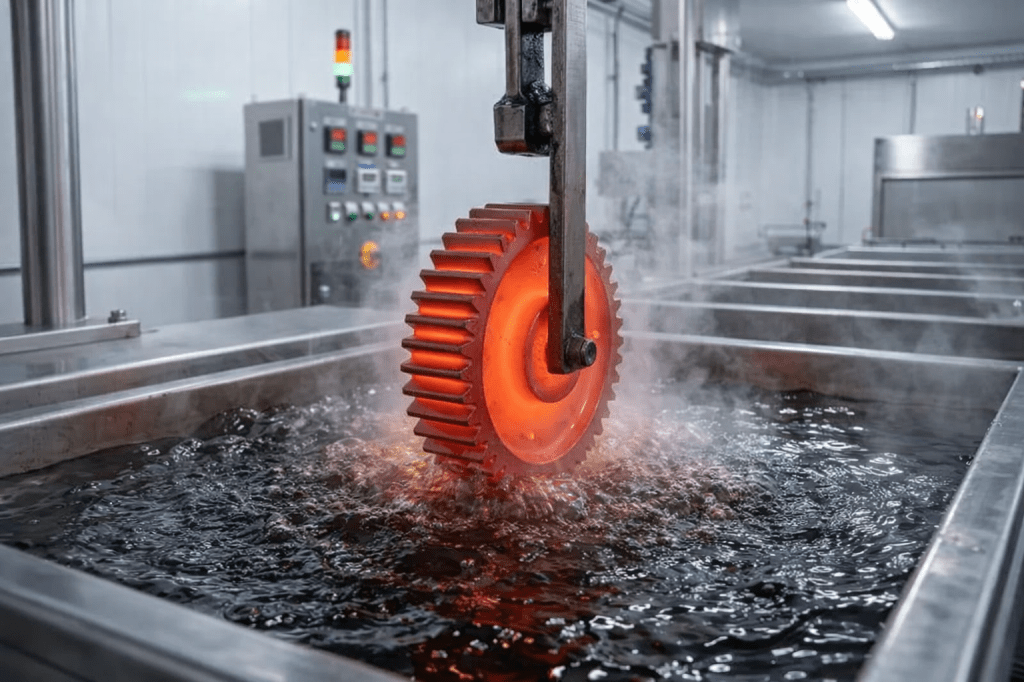
    Heat treatment quality is determined not by how fast the material is cooled, but by how it is cooled.

    Even when heat treatment conditions appear to be the same on the surface, differences in hardness, microstructure, distortion, or crack formation often originate from differences in the cooling curve of the quenching oil.

    What Is a Cooling Curve?

    A cooling curve is a graph that shows how the temperature of a metal decreases over time when a metal heated to a high temperature is immersed in quenching oil during heat treatment.
    This curve is not a single straight line; it is typically composed of the following three cooling stages.

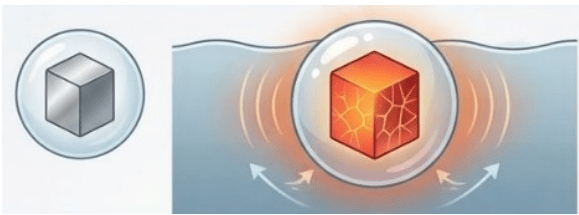
    ① Vapor Phase

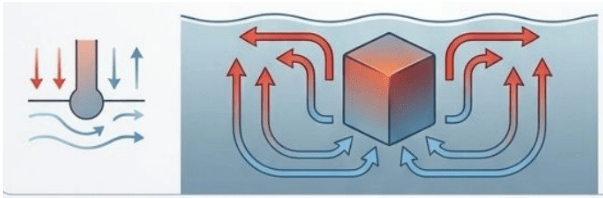
    In this stage, cooling proceeds slowly through radiation and conduction, and a vapor blanket forms on the metal surface immediately upon immersion.
    Heat transfer is most unstable during this phase, and if this stage is prolonged, cooling non-uniformity may occur, potentially leading to the formation of soft and undesirable pearlite instead of martensite.

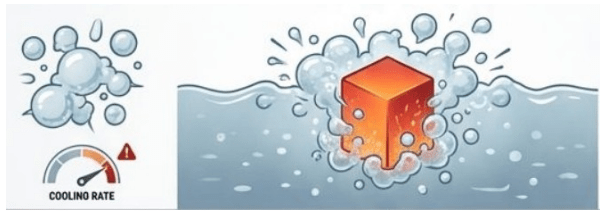
    ② Boiling Phase

    This is the stage in which rapid heat removal occurs as the vapor blanket collapses, and it is the most critical phase for hardness development.
    If cooling is excessively rapid during this stage, the risk of crack formation may increase.

    It is the key zone where intense heat transfer takes place, and the maximum cooling rate appears during the formation and detachment of bubbles.
    This stage is also decisive for forming a hard martensitic microstructure, making precise control of the cooling rate essential.

    ③ Convection Phase

    Cooling proceeds via natural convection or forced convection, and the cooling rate is influenced by viscosity and agitation conditions (flow conditions).

    In this stage, the temperature gradually decreases, resulting in gentle cooling, and this is the phase that affects product deformation and the formation of residual stresses.

    In summary, the three stages of the cooling curve are as follows:

    StageCooling ratePrimary objective
    Vapor BlanketSlowInitial quenching stabilization
    Boiling StageMaximum (critical zone)Martensite formation
    Convection StageRelatively slowFinal cooling control

    For each heat treatment oil, the proportions of these three stages and the transition speeds between them differ, and this difference is precisely what is referred to as the difference in cooling curves.

    Why Is the Cooling Curve Important?

    1. Hardness and Microstructure Are Determined by the Cooling Curve

    Microstructural transformations in steel—such as martensite and bainite—depend on how quickly and stably specific temperature ranges are passed through.

    • Cooling too slowly → Failure to achieve target hardness
    • Cooling too rapidly → Excessive martensite formation, increased brittleness
    • Large cooling variations → Non-uniform hardness

    In other words, what matters is not a “fast oil,” but an oil with an appropriately controlled cooling curve.

    2. Deformation and Warping Are Caused by Cooling Imbalance

    Distortion issues, which are common in large or geometrically complex parts, are also closely related to the cooling curve.

    • An unstable vapor blanket stage
    • Large differences in local cooling rates
    • Resulting thermal stress imbalance → Deformation

    👉 Heat treatment oils with stable vapor blanket breakdown characteristics are advantageous for reducing distortion.

    3. Cracks Can Occur Even with “Excessively Good” Cooling

    “We achieved the required hardness, but cracks occurred.”

    In many such cases, the answer can be found by examining the cooling curve.

    • Excessively rapid cooling during the boiling stage
    • Abrupt temperature drops in specific temperature ranges
    • Internal stresses exceeding material tolerance → Cracking

    👉 Even oils with high cooling performance can cause defects if the cooling curve is too aggressive.

    4. Why Results Differ Under the Same Conditions

    If results differ despite using the same equipment, steel grade, and process conditions, the cause is often the degradation state of the heat treatment oil.

    • Oxidation → Changes in the cooling curve
    • Sludge formation → Instability in the vapor blanket stage
    • Viscosity change → Reduced cooling efficiency in the convection stage

    In other words, as heat treatment oil ages, the cooling curve itself changes, making regular oil monitoring and analysis essential.

    What Defines a Good Heat Treatment Oil?

    A good heat treatment oil is not simply one that cools quickly.

    It is an oil that:

    • Has a short and stable vapor blanket stage
    • Provides a controlled boiling stage
    • Delivers uniform cooling performance during the convection stage

    In short, a good heat treatment oil possesses an ideal cooling curve tailored to the process objective.

    That is why, when selecting a heat treatment oil, cooling curve data must be reviewed alongside viscosity and flash point.

    The Solution Proposed by DynaSolution

    DynaSolution approaches heat treatment not as a simple matter of oil selection, but as a cooling curve design challenge.

    Through cooling-curve-data-based analysis tailored to specific process conditions and material characteristics, we deliver stable and highly reproducible cooling performance across the vapor blanket, boiling, and convection stages.

    A heat treatment oil defined not merely by “cooling performance,” but by a cooling curve optimized for the process—that is the standard DynaSolution pursues.

    If you want to elevate your heat treatment quality to the next level, start by examining the cooling curve.

    DynaSolution is ready to work with you to find the answer.

    Dyna Co., Ltd.
    Industrial Lubricant Solution

    E-Mail : dyna@dynachem.co.kr
    Web : dyna.co.kr/en/

  • — Key Factors for Improving Machining Quality and Cost Efficiency —

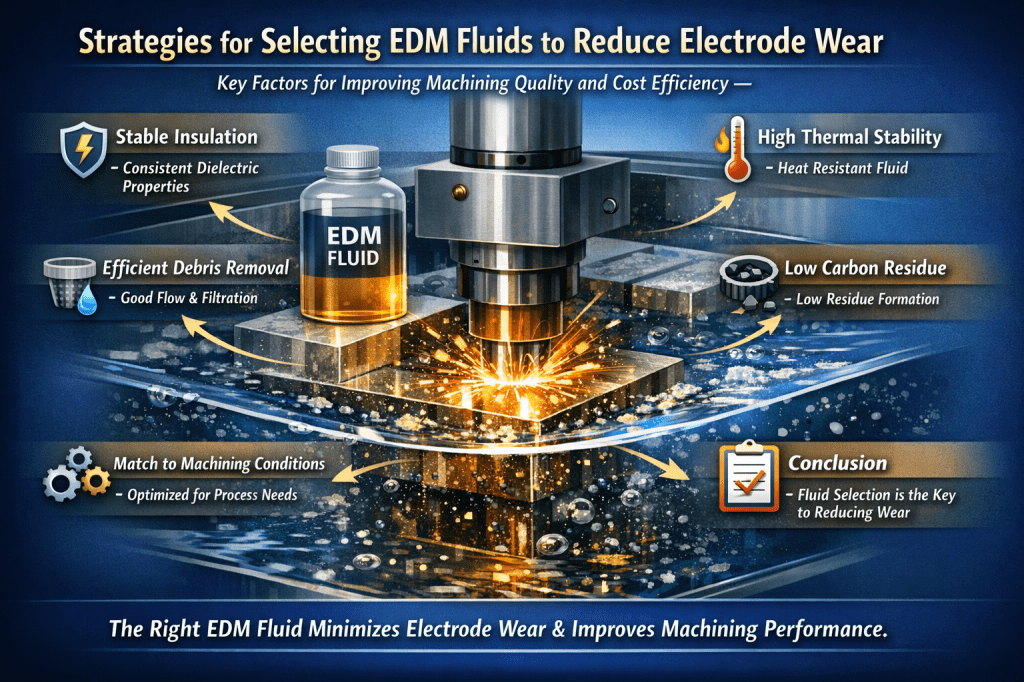
    In electrical discharge machining (EDM), electrode wear is an inevitable phenomenon, but it is also a controllable variable. Excessive electrode wear leads to reduced dimensional accuracy, increased correction work, longer machining time, and higher overall costs.
    While many shops first review machining parameters or electrode materials, the selection of EDM fluid actually has a significant impact on electrode wear.

    1. Why Does Electrode Wear Occur?

    Electrode wear occurs when the electrode surface is eroded by the high-temperature, high-energy plasma generated during electrical discharge. In this process, the following factors play a decisive role in determining the wear rate:

    • Concentration of discharge energy
    • Stability of the discharge
    • Efficiency of heat dissipation

    The EDM fluid directly influences all three of these factors.

    2. Stable Insulating Properties Reduce Electrode Wear

    The most critical condition for reducing electrode wear is discharge stability. When an EDM fluid has inconsistent or degraded insulating properties, abnormal arcing or continuous discharges are more likely to occur, causing excessive heat to concentrate on the electrode.

    An EDM fluid with stable insulating characteristics allows uniform discharges to occur only when needed, minimizing localized damage to the electrode surface.

    Key Points

    • Fluid with consistent dielectric breakdown voltage
    • Fluid with minimal degradation of insulating performance over time

    3. Choose EDM Fluids with High Thermal Stability

    Electrode wear is not merely a discharge issue—it is also a thermal management issue. If an EDM fluid has low thermal stability, it decomposes rapidly at high temperatures, leading to an unstable discharge environment.

    Synthetic EDM fluids generally offer superior thermal stability compared to mineral oil-based fluids, maintaining consistent discharge characteristics even during long machining cycles or high-energy operations. This reduces thermal stress on the electrode and contributes to lower wear rates.

    4. Debris Removal Performance Directly Affects Wear Rate

    If fine sludge generated during EDM remains between the electrode and the workpiece, secondary discharges or arcing can easily occur. This is one of the primary causes of accelerated electrode wear.

    EDM fluids with appropriate viscosity and good flow characteristics effectively remove debris, keep the machining gap clean, and maintain a stable discharge environment.

    Key Points

    • Low-viscosity or high-fluidity fluids
    • Fluids with excellent compatibility with filtration systems

    5. Low-Carbon-Residue Fluids Protect the Electrode

    Carbon residues formed during thermal decomposition of EDM fluids can adhere to the electrode surface, causing uneven distribution of discharge energy. This leads to localized over-discharge and accelerates electrode wear.

    EDM fluids that generate minimal carbon residue help maintain uniform discharge marks and stabilize the condition of the electrode surface.

    6. Consider Fluid Properties Based on Machining Conditions

    Not all EDM fluids perform optimally under the same conditions.

    • Micro-machining / precision molds → Focus on discharge stability and low residue
    • High-speed machining / rough machining → Focus on cooling and debris removal performance

    Selecting an EDM fluid that matches the machining purpose and energy conditions is essential for effective control of electrode wear.

    Conclusion: Electrode Wear Is Determined by Fluid Selection

    Reducing electrode wear is not simply a matter of lowering machining parameters. The most fundamental solution is choosing an EDM fluid that creates a stable discharge environment.

    An EDM fluid with balanced insulating stability, thermal stability, and cleaning/debris removal performance not only reduces electrode wear but also improves machining quality and productivity.

    If you are struggling with repeated corrections and defects caused by electrode wear,
    consider reviewing your EDM fluid before replacing the electrode itself.

    Dyna Co., Ltd.
    Industrial Lubricant Solution

    E-Mail : dyna@dynachem.co.kr
    Web : dyna.co.kr/en/
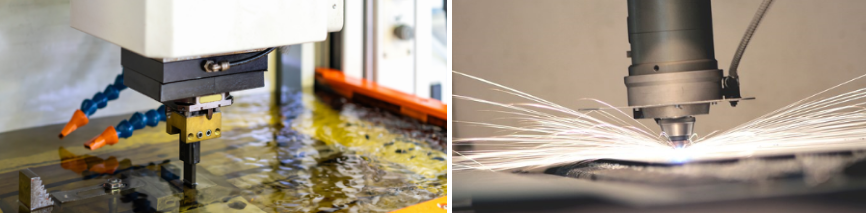
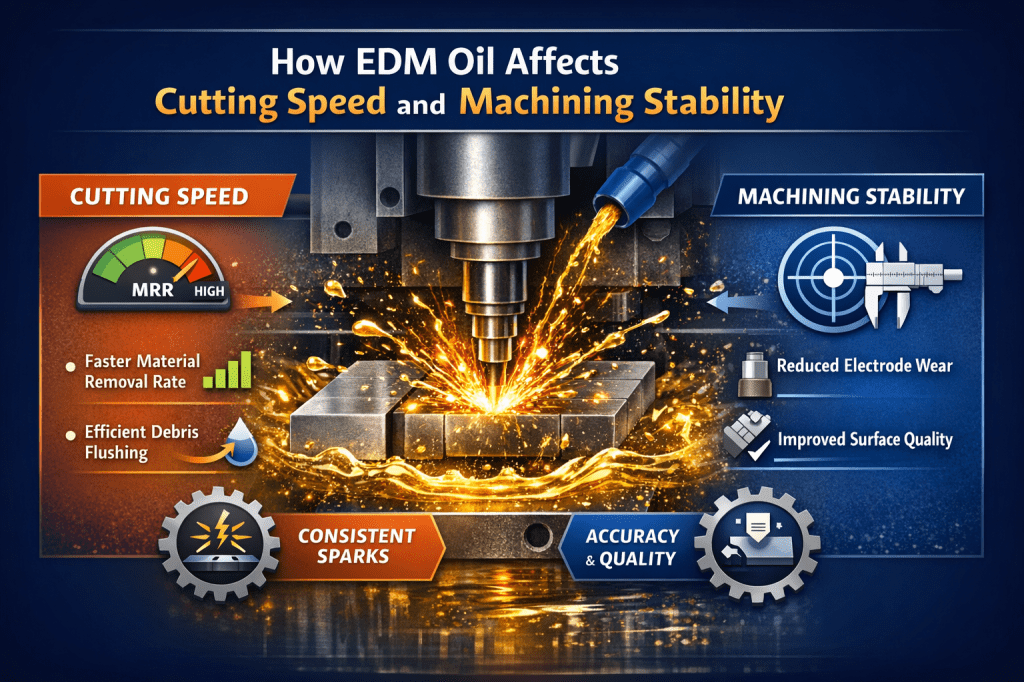
  • Electrical Discharge Machining (EDM) is a precision process where performance is driven not only by machine settings and electrodes, but also by the quality and characteristics of the EDM oil. Many shops focus on power parameters and tooling, yet overlook how dielectric fluid selection directly impacts cutting speed, machining stability, surface quality, and overall productivity.

    This article explains how EDM oil influences cutting speed and machining stability, and what manufacturers should consider when selecting or managing EDM oil.

    1. The Role of EDM Oil in the Machining Process

    EDM oil serves as a dielectric medium between the electrode and the workpiece. Its primary functions include:

    • Electrically insulating the gap until discharge occurs
    • Rapidly cooling the machining zone
    • Flushing away eroded particles and debris
    • Stabilizing spark generation

    If the EDM oil fails in any of these roles, machining performance degrades immediately.

    2. EDM Oil and Cutting Speed
    Dielectric Strength and Spark Efficiency

    High-quality EDM oil has stable dielectric strength, allowing sparks to occur consistently at the correct gap voltage. When dielectric strength is optimal:

    • Sparks are uniform
    • Energy is efficiently transferred
    • Material removal rate (MRR) increases

    Low-quality or degraded oil causes irregular discharges, reducing effective cutting speed and forcing operators to slow down machining conditions.

    Viscosity and Debris Removal

    Cutting speed is strongly influenced by flushing efficiency. EDM oil with the proper viscosity:

    • Removes molten particles quickly
    • Prevents re-attachment of debris to the work surface
    • Maintains a clean spark gap

    Oil that is too thick traps debris, leading to unstable discharges and frequent short circuits—both of which slow machining progress.

    Oil Cleanliness and Filtration

    Contaminated EDM oil reduces cutting speed by:

    • Absorbing discharge energy
    • Increasing abnormal arcing
    • Causing unstable gap conditions

    Well-filtered oil ensures consistent spark energy, enabling higher cutting speeds without sacrificing accuracy.

    3. EDM Oil and Machining Stability
    Stable Spark Generation

    Machining stability depends on maintaining a controlled and repeatable spark cycle. Proper EDM oil:

    • Suppresses random arcing
    • Reduces short circuits
    • Maintains steady gap conditions

    Unstable oil conditions lead to frequent machine alarms, electrode damage, and inconsistent results.

    Thermal Control and Heat Dissipation

    EDM generates intense localized heat. High-performance EDM oil provides:

    • Efficient heat removal
    • Reduced thermal shock
    • Lower risk of micro-cracks and surface defects

    Poor thermal control can destabilize machining and degrade part quality, especially during long machining cycles.

    Prevention of Carbon Deposits and Sludge

    Inferior or oxidized EDM oil can create:

    • Carbon buildup on electrodes
    • Sticky sludge in the tank
    • Erratic discharge behavior

    This directly impacts stability, increasing downtime and maintenance frequency.

    4. Impact on Electrode Wear and Accuracy

    Stable EDM oil not only improves speed but also:

    • Reduces electrode wear
    • Maintains consistent dimensional accuracy
    • Improves repeatability across multiple parts

    Unstable oil conditions often result in uneven electrode erosion, forcing tool compensation and rework.

    5. Best Practices to Maximize EDM Performance

    To optimize cutting speed and machining stability:

    • Use EDM oil with high dielectric strength and low viscosity
    • Maintain effective filtration and oil cleanliness
    • Monitor oil degradation and oxidation
    • Replace oil before severe performance loss occurs
    • Select oil appropriate for roughing vs. finishing operations
    6. Conclusion

    EDM oil is not a passive consumable—it is a critical performance driver. The right EDM oil enables:

    • Faster cutting speeds
    • Stable and predictable machining
    • Lower electrode wear
    • Improved surface finish
    • Reduced downtime and scrap

    Investing in high-quality EDM oil and proper oil management is one of the most cost-effective ways to improve EDM productivity and reliability. 

    Dyna Co., Ltd.
    Industrial Lubricant Solution

    E-Mail : dyna@dynachem.co.kr
    Web : dyna.co.kr/en/

  • Aluminum is widely used across many industries—including food packaging, automotive, electronics, and home appliances—thanks to its light weight and excellent formability.
    However, aluminum behaves very differently from steel during press operations, which makes general-purpose punching oils insufficient for stable and efficient production.

    This is why aluminum-specific punching oils are becoming increasingly important.

    1. Aluminum Is a “Sticking” Metal

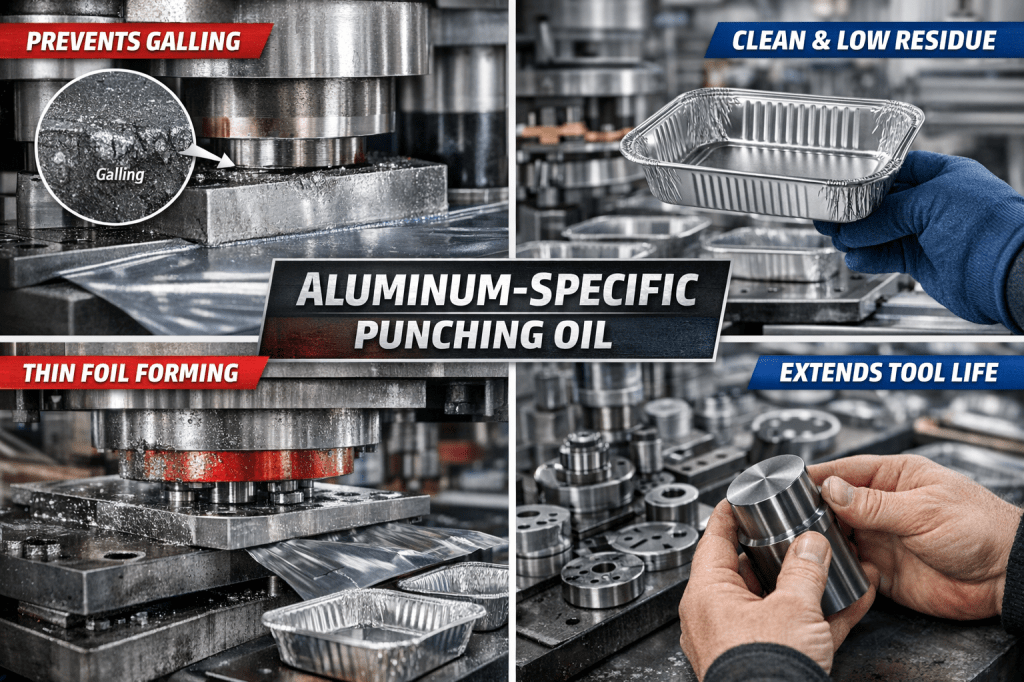
    The biggest challenge in aluminum punching and stamping is galling.

    • Aluminum is a soft metal
    • During press operations, it easily adheres to punch and die surfaces
    • This leads to scratches, burr formation, and accelerated tool damage

    👉 General-purpose punching oils cannot adequately control this adhesive wear.

    Role of Aluminum-Specific Punching Oils
    • Special additives that suppress aluminum pickup
    • Formation of a protective lubricating film on tool surfaces
    • Stable cutting edges and consistent forming quality
    2. Different Performance Requirements from General Punching Oils

    Punching oils designed for steel often show limitations when applied to aluminum:

    • Extreme-pressure additives may react unfavorably with aluminum
    • Excessive residue leading to die contamination and frequent cleaning
    • Over-lubrication issues when processing thin aluminum foil

    Aluminum-Specific Punching Oils Are Different

    • Aluminum-friendly lubricant chemistry
    • Excellent lubricity even at low viscosity
    • Uniform lubrication film on thin and delicate materials
    3. Optimized for Thin Materials and High-Speed Operations

    Aluminum-specific punching oils are especially suited for:

    • Aluminum foil food container forming
    • High-speed punching and blanking
    • Precision stamping of thin-gauge materials

    Key Advantages

    • Stable lubrication film even at high stroke rates (SPM)
    • Minimal sling-off at high speeds
    • Compatible with minimal and semi-dry lubrication systems
    4. Cleanliness and Low-Residue Performance

    Surface cleanliness is critical in aluminum applications, particularly for:

    • Food packaging
    • Electronics and appliance components
    • Parts requiring downstream washing, coating, or bonding

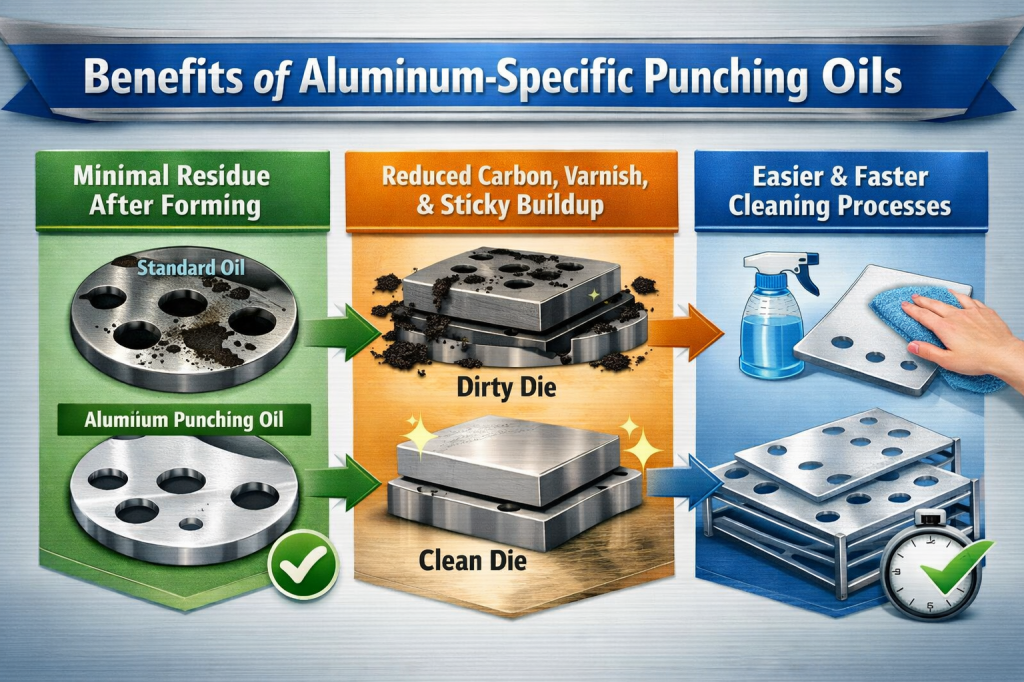
    Benefits of Aluminum-Specific Punching Oils

    • Minimal residue after forming
    • Reduced carbon, varnish, and sticky buildup
    • Easier and faster cleaning processes

    👉 Result: Less downtime and lower defect rates

    5. Direct Impact on Tool Life and Productivity

    Using aluminum-specific punching oil results in:

    • Reduced punch and die wear
    • Extended regrinding intervals
    • Fewer tool replacements

    Which ultimately leads to:

    Lower total production cost and higher operational efficiency

    6. Improved Workplace Environment and Safety

    Modern manufacturing emphasizes:

    • Clean working conditions
    • Reduced oil mist and fumes
    • Environmental and regulatory compliance

    Aluminum-specific punching oils offer:

    • Reduced smoke and mist generation
    • Cleaner press areas
    • Lower waste oil handling requirements
    Summary: Why Aluminum-Specific Punching Oils Matter
    CategoryGeneral Punching OilAluminum-Specific Punching Oil
    Galling preventionFairExcellent
    Thin foil performanceLimitedExcellent
    High-speed stabilityLimitedExcellent
    Cleanliness / residueModerateExcellent
    Tool lifeAverageExtended
    Minimal lubrication compatibilityLimitedExcellent
    Conclusion

    In aluminum press operations, the choice of punching oil directly affects product quality and manufacturing cost.
    Aluminum-specific punching oils are not just lubricants—they are process optimization solutions that reduce defects and improve productivity.

    Dyna Co., Ltd.
    Industrial Lubricant Solution

    E-Mail : dyna@dynachem.co.kr
    Web : dyna.co.kr/en/

  • Common Mistakes in Punching and Press Operations

    In punching and press forming operations, rising defect rates are often blamed on tooling or equipment issues. However, in many cases, the root cause is incorrect lubricant selection.

    Punching oil is not just a consumable—it directly affects process stability, product quality, tool life, and overall manufacturing cost. This article highlights common lubricant selection mistakes that lead to higher defect rates and explains how to avoid them.

    1. Using Lubricants with Excessively High Viscosity

    Burr Formation and Dimensional Inconsistency

    Problem Scenario

    When high-viscosity lubricants are used in high-speed punching operations, the oil cannot evacuate quickly from the tool–workpiece interface. This results in uneven lubrication films and unstable cutting conditions.

    Resulting Defects

    • Increased burr formation
    • Tearing or rough sheared edges
    • Poor dimensional accuracy

    Best Practice

    • Use low-viscosity, high-flow punching oils for high-speed operations
    • Match lubricant viscosity to punching speed and die clearance

    2. Ignoring Material-Specific Lubrication Requirements

    Sticking and Galling Issues

    Problem Scenario

    Applying general-purpose steel lubricants to aluminum punching processes.

    Resulting Defects

    • Material sticking and galling
    • Surface scratches and material transfer
    • Frequent line stoppages

    Best Practice

    • Select non-ferrous–compatible punching oils
    • Ensure additive packages are optimized for aluminum alloys

    3. Insufficient Cooling Performance

    Discoloration and Thermal Damage

    Problem Scenario

    Using lubricants with poor heat dissipation in high-speed or continuous punching.

    Resulting Defects

    • Material discoloration
    • Burn marks on punched edges
    • Oxidation-related downstream defects

    Best Practice

    • Choose punching oils that balance lubrication and cooling performance
    • Prioritize thermal stability for high-throughput operations

    4. Overlooking Cleanability and Residue Control

    Downstream Process Failures

    Problem Scenario

    Using high-residue oils when washing, welding, or coating processes follow punching.

    Resulting Defects

    • Incomplete cleaning
    • Welding defects
    • Coating adhesion failures

    Best Practice

    • Use low-residue, high-cleanability punching oils
    • Evaluate lubricant compatibility with downstream processes

    5. Focusing Only on Low Cost

    Long-Term Quality and Cost Problems

    Problem Scenario

    Selecting lubricants solely based on price.

    Long-Term Impact

    • Increased defect rates
    • Accelerated tool wear
    • Higher maintenance costs
    • Increased total manufacturing cost

    Best Practice

    • Evaluate lubricants based on Total Cost of Ownership (TCO)
    • Consider defect reduction, tool life, and uptime—not just oil price

    Conclusion: Lubricant Selection Is a Quality Strategy

    Incorrect lubricant selection does more than increase scrap—it undermines process stability, shortens tool life, and raises overall production costs.

    Key Checklist for Proper Punching Oil Selection

    • Compatibility with material (aluminum, steel, stainless steel)
    • Punching speed and thermal load
    • Appropriate viscosity and flow characteristics
    • Balanced lubrication and cooling performance
    • Compatibility with cleaning, welding, and coating processes

    The right punching oil reduces defects, stabilizes production, and delivers measurable cost savings.

    Dyna Co., Ltd.
    Industrial Lubricant Solution

    E-Mail : dyna@dynachem.co.kr
    Web : dyna.co.kr/en/

  • In metal stamping environments, productivity, die life, and part quality all depend heavily on one often-overlooked factor: proper lubrication. Whether you’re punching aluminum, stainless steel, copper, or coated steels, the right lubricant can dramatically reduce defects, prevent tool damage, and stabilize your entire production process.

    This article explains why lubrication is essential in punching and blanking operations—and what manufacturers stand to gain by choosing the right formulation.

    1. Understanding Punching Operations

    Punching and blanking are high-speed metal forming processes where a punch tool exerts force on sheet metal to create a hole (punching) or separate a part from the sheet (blanking).

    These operations generate:

    • Extremely high contact pressure
    • Friction and heat
    • Metal-to-metal interface between punch, die, and workpiece

    Without adequate lubrication, these conditions quickly lead to premature wear and inconsistent part quality.

    2. The Role of Lubrication in Metal Stamping

    Proper lubrication isn’t simply “oil on metal.” It delivers several critical functions during stamping:

    ① Reducing Friction

    Lubricants form a thin protective film between the punch and metal surface, preventing direct contact. Lower friction translates into:

    • Lower punch force
    • Reduced heat generation
    • Smoother tool operation
    • Improved dimensional accuracy
    ② Preventing Galling and Welding

    Galling—especially common with aluminum—is the result of micro-welding between tool and workpiece.
    High-performance lubricants prevent this by:

    • Creating a stable boundary film
    • Dissipating heat
    • Reducing adhesive tendencies

    This is one of the main reasons why dedicated aluminum punching oils like Dyna-4300S are preferred.

    ③ Extending Die Life

    Die sharpening, replacement, and downtime cost far more than lubricant does.
    Proper lubrication:

    • Minimizes wear on cutting edges
    • Prevents micro-chipping
    • Reduces die maintenance frequency
    • Extends tool life significantly
    ④ Reducing Burrs and Edge Defects

    A well-lubricated interface ensures:

    • Cleaner shearing action
    • Reduced burr height
    • More consistent part edges
    • Lower scrap rate

    Insufficient lubrication is one of the top causes of burr-related rework.

    ⑤ Improving Heat Control

    Even small rises in heat alter material behavior.
    Lubricants help:

    • Absorb and disperse heat
    • Prevent thermal expansion
    • Maintain stable dimensional tolerances
    3. The Cost of Poor Lubrication

    A stamping line with inadequate or improper lubrication will experience problems such as:

    • Galling/welding on punches
    • Excessive burr formation
    • Faster die wear
    • Surface scratches or scoring
    • Increased reject rate
    • Higher energy consumption
    • Unplanned downtime

    In many cases, simply switching to a properly engineered punching oil solves these issues without modifying equipment or process parameters.

    4. Benefits of Using Specialized Punching Oils

    Specialized formulations such as Dyna-4300S, designed for aluminum punching, offer advantages over generic lubricants:

    ✔ Superior lubricity at low film thickness

    Minimizes residue while providing strong protection.

    ✔ Excellent anti-wear and anti-weld additives

    Crucial for preventing tool sticking on soft metals like aluminum.

    ✔ Fast evaporation / easy cleaning

    Ideal for no-wash or semi-wash processes.

    ✔ Improved part appearance

    No stains, no dark residues, no oil pooling.

    ✔ Lower consumption

    Engineered to work effectively with minimal application volume.

    5. Lubrication as a Value Generator, Not a Cost

    Many manufacturers make the mistake of treating lubricant as a cost to be minimized.
    In reality, lubrication is one of the highest-leverage improvements in a stamping line.

    A high-quality punching oil can:

    • Increase die life by 20–40%
    • Reduce burr defects by up to 60%
    • Improve line speed
    • Reduce cleaning and post-processing costs
    • Lower overall production cost per part

    The value created far exceeds the cost of the lubricant itself.

    Conclusion

    Lubrication plays a central role in the performance, quality, and economy of punching and blanking operations.
    From reducing friction to preventing galling, from improving part finish to protecting expensive tooling, the right punching oil is one of the most important factors for stable, efficient stamping.

    Companies that invest in specialized lubricants—such as Dyna-4300S, optimized for aluminum punching—see fewer defects, longer tool life, and more productive press lines.

    Dyna Co., Ltd.
    Industrial Lubricant Solution

    E-Mail : dyna@dynachem.co.kr
    Web : dyna.co.kr/en/

  • Maximizing Tool Life, Surface Quality, and Productivity in Sheet Metal Fabrication

    In modern sheet-metal manufacturing, punching and blanking operations are under constant pressure: higher speeds, tighter tolerances, stronger materials, and reduced downtime. As these demands increase, one factor becomes more mission-critical than ever—proper lubrication. The right punching oil does far more than simply “reduce friction.” It directly impacts tool longevity, product quality, equipment stability, and overall operating cost.

    This article explains why lubrication matters, the mechanisms behind its performance, and what manufacturers should consider when selecting a high-performance lubricant for punching and blanking.

    1. Lubrication Prevents Galling and Adhesion Wear Stamping involves extreme localized pressure where the punch contacts the workpiece. Without robust lubrication:

    Aluminum and stainless steel easily adhere to Stamping surfaces

    • Galling accelerates tool wear
    • Burr height increases and quality becomes inconsistent
    • Unexpected punch breakage can occur

    A well-formulated punching oil forms a protective boundary film that prevents metal-to-metal contact. This barrier reduces adhesion, stabilizes cutting forces, and enables smoother scrap evacuation.

    High-lubricity products—such as chlorinated EP systems or advanced non-chlorinated additives—show particularly strong performance when processing aluminum or high-strength steel.

    2. Improved Tool Life and Lower Operating Costs

    Tooling costs are one of the largest contributors to punching-operation expenses.
    The right lubricant dramatically extends tool life by:

    • Minimizing frictional heat
    • Preventing micro-cracks and fatigue damage
    • Reducing sharpening frequency
    • Maintaining dimensional accuracy over long runs

    Plants often report 20–40% longer tool life simply by switching to a more suitable punching lubricant. This translates into lower tool-replacement costs and significantly reduced downtime.

    3. Enhanced Surface Quality and Dimensional Accuracy

    A stable lubrication film ensures that the punch penetrates the sheet cleanly.
    Benefits include:

    • Lower burr height
    • Reduced die roll and break deformation
    • Cleaner edges for downstream bending or welding
    • Lower scrap rate

    For automotive, electronics, and appliance parts—where edge quality is critical—lubrication plays a decisive role in meeting customer tolerances.

    4. Managing Heat in High-Speed and High-Strength Applications

    When punching high-strength steel or operating at high strokes per minute, heat rapidly accumulates. Excessive heat causes:

    • Thermal expansion of tooling
    • Loss of dimensional control
    • Damage to coatings such as TiN/TiCN
    • Work-hardening of sheet materials

    Punching oils with excellent cooling and wetting properties dissipate heat quickly, keeping both tools and parts stable under demanding conditions.

    5. Cleaner Operation and Reduced Maintenance

    Modern punching oils are engineered to provide:

    • Low misting during high-speed press operations
    • Fast spreading and wetting
    • Easy cleanup after stamping
    • Compatibility with washing lines or water-based cleaners

    This leads to a cleaner workplace, reduced fire hazard, and lower maintenance on presses, sensors, and scrap conveyors.

    6. Environmental and Safety Benefits

    Regulations and customer requirements are increasingly pushing the industry toward:

    • Chlorine-free solutions
    • Low-VOC formulations
    • Skin-friendly and odor-controlled products
    • Non-staining oils for aluminum and galvanized steels

    Advanced synthetic lubricants and ester-based formulations meet these requirements while still delivering superior performance.

    7. Selecting the Right Lubricant for Punching & Blanking

    Choosing a lubricant should be based on:

    ConsiderationWhy It Matters
    Material type (Al, SS, HSS, GI, copper)Adhesion and friction behavior differ
    Thickness & tensile strengthDetermines required EP performance
    Stroke rate & tonnageImpacts heat and viscosity selection
    Tool coating (TDC, TiN, DLC)Some coatings prefer specific lubricants
    Post-process cleaning conditionsSolubility and washability
    Environmental regulationsVOC, chlorine-free requirements

    Manufacturers producing aluminum components—such as automotive brackets, EV battery parts, or appliance trim—benefit especially from lubricants designed to prevent aluminum welding on punches, such as high-performance synthetic oils like Dyna Punch-4300S

    Lubrication is not merely a supporting factor in punching and blanking operations—it is a critical determinant of productivity and quality. The right lubricant reduces galling, extends tool life, stabilizes edge quality, prevents overheating, and keeps operations clean and safe.

    In an era of stronger materials, faster production lines, and increasingly tight tolerances, choosing the right punching oil is no longer optional—it is a strategic decision that directly affects competitiveness.

    Dyna Co., Ltd.
    Industrial Lubricant Solution

    E-Mail : dyna@dynachem.co.kr
    Web : dyna.co.kr/en/
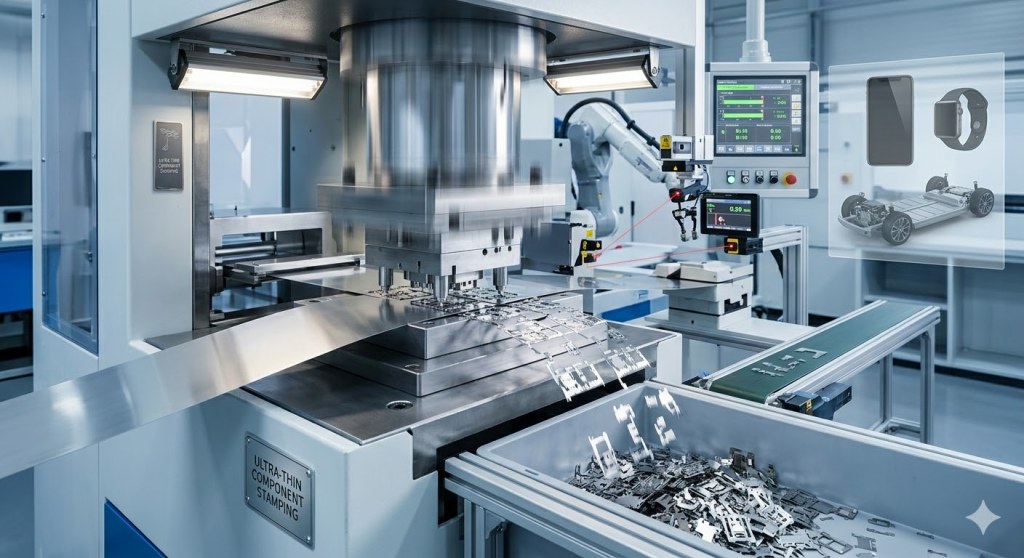
  • Deep drawing is a core metal forming process used to produce cups, housings, deep cavities, and structural components. It is widely applied in the automotive, appliance, electronics, and semiconductor industries—but it is also one of the most challenging forming operations due to high friction, elevated heat, and heavy tool wear.
    Because of this, choosing the right deep drawing lubricant becomes a critical factor in process stability and product quality.

    This article highlights the essential lubricant properties required for deep drawing and explains why they are so important.

    🔧 1. High Lubricity – The Foundation of Smooth Metal Flow

    During deep drawing, the sheet metal strongly contacts the die surface while undergoing severe deformation.
    This makes low friction performance absolutely essential.

    If lubricity is insufficient, you may see:

    • Surface scratches
    • Non-uniform deformation
    • Accelerated die wear
    • Increased scrap due to surface defects

    A stable and durable lubricant film allows the material to flow smoothly, enabling deeper drawing with consistent wall thickness.

    🔥 2. Excellent Extreme Pressure (EP) Performance – Protecting the Die

    Deep drawing operates under high loads and compression, so the lubricant must contain effective EP additives.

    Without proper EP performance, the following issues can occur:

    • Galling (material adhesion to the die surface)
    • Bite marks
    • Severe die scoring
    • Premature die failure

    EP additives create a protective chemical film under high-pressure conditions, preventing metal-to-metal contact.

    🌡️ 3. Strong Thermal Stability – Preventing Breakdown at High Temperatures

    The intense friction in deep drawing generates sharp temperature spikes.
    If a lubricant lacks thermal stability, it can quickly degrade through oxidation, viscosity breakdown, or carbonization.

    A thermally stable lubricant offers:

    • Consistent lubrication film
    • Lower risk of breakdown
    • Reduced carbon residue
    • Better part quality during long production runs

    This is especially important when forming stainless steel or high-strength steel (HSS/AHSS).

    🧪 4. Uniform Boundary Film – Maintaining Consistent Protection

    A deep drawing lubricant must maintain a uniform boundary film even under heavy load and extended contact.

    A stable boundary film ensures:

    • Smooth metal flow
    • Consistent deformation behavior
    • Reduced scoring and scratches

    This is particularly important for aluminum and stainless steel, which are prone to surface damage when film stability is weak.

    🧼 5. Good Cleanability – Essential for Downstream Processes

    After deep drawing, components often undergo welding, bonding, painting, or coating.
    This makes residue control extremely important.

    A cleanable lubricant offers:

    • Fewer post-treatment defects
    • Minimal carbon residue
    • Higher surface cleanliness
    • Better compatibility with welding or coating lines

    Cleanability is especially critical in EV battery trays, housings, and precision electrical components.

    🌫️ 6. Low Mist & Low Smoke – Operator-Friendly Performance

    High-speed deep drawing can cause lubricants to vaporize or mist, creating safety and cleanliness issues.

    Low-mist, low-smoke lubricants deliver:

    • A safer working environment
    • Less inhalation risk
    • Reduced equipment contamination
    • Fewer odor-related complaints

    This is vital for automated or enclosed press lines.

    🏭 7. Optimized Viscosity – Matching the Process and Material

    Viscosity directly influences lubrication performance:

    • High viscosity → stronger load resistance, good for severe deep drawing
    • Low viscosity → excellent flow, cleaner surfaces, ideal for precision forming

    Matching viscosity to die design, press speed, and material type ensures maximum stability and consistent product quality.

    🏁 Conclusion: Deep Drawing Requires a Balance of Film Strength, EP, and Thermal Stability

    Deep drawing is one of the most demanding metal forming processes.
    To perform effectively, a specialized lubricant must offer:

    • High lubricity
    • Strong EP performance
    • Excellent thermal stability
    • Durable boundary film
    • Good cleanability
    • Low mist/low smoke
    • Proper viscosity control

    Meeting these requirements increases die life, improves surface quality, minimizes scrap, and enhances overall productivity.

    ⭐ Dyna’s Product Integration

    Dyna’s drowing oil designed for aluminum forming—delivers:

    • Strong lubricity
    • Stable thermal and boundary film performance
    • Excellent cleanability
    • Low mist / low smoke characteristics

    Customized formulations (viscosity, EP package, film strength) can also be developed for specific customer applications.

    Dyna Co., Ltd.
    Industrial Lubricant Solution

    E-Mail : dyna@dynachem.co.kr
    Web : dyna.co.kr/en/
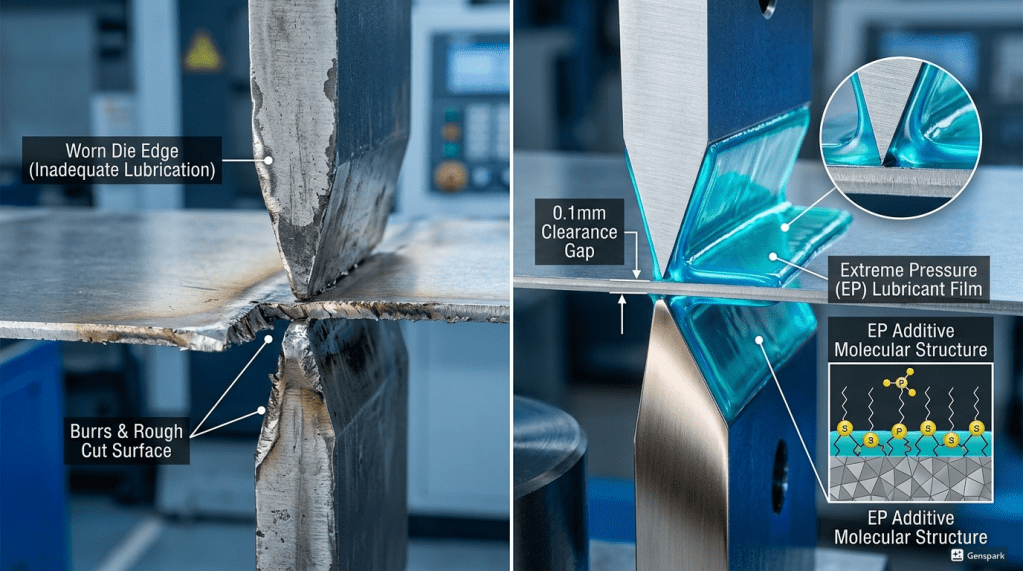
  • Electrical Discharge Machining (EDM) is essential for processing complex shapes and high-hardness materials. However, the process often brings high operational and consumable costs, becoming a major burden in manufacturing.
    What many shops overlook is this:

    Proper selection and management of EDM oil can significantly reduce total manufacturing costs.

    EDM oil is not just a lubricant. It is a critical factor that influences:
    ✔ Dielectric performance
    ✔ Cooling and flushing efficiency
    ✔ Carbon sludge dispersion
    ✔ Equipment maintenance and reliability

    This article explains how EDM oil contributes directly to cost reduction across the entire production line.

    1. Reduced Electrode Wear → Lower Consumable Costs

    Electrode wear is one of the largest cost contributors in EDM.
    Using oil with poor dielectric strength or high oxidation tendency leads to frequent micro-arcing, accelerating electrode consumption.

    High-quality EDM oils with the following characteristics significantly reduce electrode wear:

    • Stable dielectric strength
    • Excellent thermal stability
    • Improved sludge dispersion
    • Effective heat control

    Many users report 15–40% reduction in electrode consumption, resulting in immediate cost savings.

    2. Faster Machining Speed → Higher Productivity & Lower Unit Cost

    High-viscosity or poor-flushing oils slow down machining by disrupting stable discharge.

    In contrast, EDM oils designed for:

    • Low viscosity
    • Strong flushing capability
    • Efficient thermal transfer

    provide much more stable discharge conditions.

    It is common to see 10–20% shorter cycle times, which accelerates production capacity and lowers cost per part.

    3. Improved Surface Quality → Reduced Finishing & Rework Cost

    If carbon sludge is not properly removed during machining, defects such as:

    • Higher surface roughness
    • Micro cracks
    • Rework or polishing requirements

    may occur.

    Using EDM oil with strong cleaning and dispersion performance leads to:
    ✔ More uniform surface finish
    ✔ Fewer micro-pits
    ✔ Reduced polishing and finishing steps

    This directly lowers total manufacturing cost.

    4. Extended Machine Life & Lower Maintenance Costs

    Low-grade EDM oil degrades rapidly, producing varnish and sticky residues. This leads to:

    • Pump and valve wear
    • Filter clogging
    • Shortened oil replacement intervals
    • Increased machine downtime

    High-stability EDM oils with low residue formation improve inside-machine cleanliness and provide:

    • 2× longer filter life
    • Longer oil service intervals
    • Lower failure rates in pumps and hydraulic systems

    All of which help reduce overall maintenance cost.

    5. Improved Safety → Reduced Environmental & Workplace Costs

    With rising ESG and workplace safety standards, using safe EDM oils offers additional cost benefits:

    • Low odor and minimal smoke → better worker comfort
    • High flash point → reduced fire risk
    • Low toxicity → lower ventilation and safety management costs

    A safer work environment also enhances productivity and workforce stability.

    Conclusion: High-Quality EDM Oil Is Not an Expense — It’s an Investment

    EDM oil is not a simple consumable. It is a strategic cost-reduction tool that affects productivity, quality, equipment durability, and safety.

    To optimize cost performance, focus on these three factors when choosing EDM oil:

    1. Dielectric Strength — for stable discharge
    2. Viscosity & Cooling Capability — for faster machining
    3. Flushing & Dispersion Ability — for cleaner surfaces and machine health

    Choosing low-cost oil may save money short-term, but it often leads to higher overall costs in the long run.

    To truly reduce manufacturing costs, companies must select the right EDM oil tailored to their machining environment and materials.

    Dyna Co., Ltd.
    Industrial Lubricant Solution

    E-Mail : dyna@dynachem.co.kr
    Web : dyna.co.kr/en/
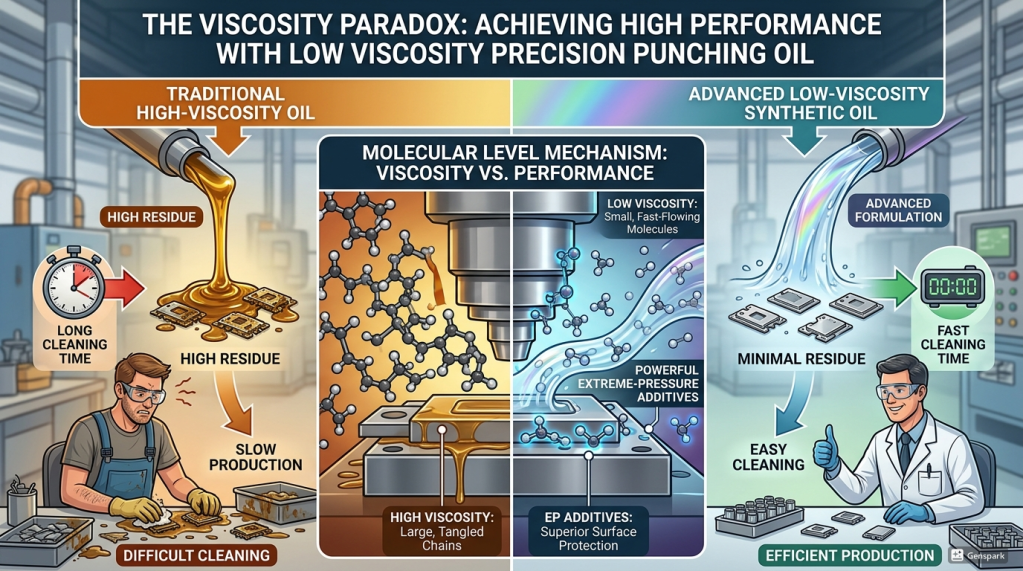
  • Innovation in Dielectric Fluid Management for Intelligent Machining Systems

    The manufacturing industry is rapidly evolving toward smart factories, automation, and intelligent production systems.
    Electrical Discharge Machining (EDM) is no exception — as unmanned and continuous operations become more common, maintaining the quality and stability of EDM oil (dielectric fluid) has become more critical than ever.

    In automated EDM environments, dielectric oil is no longer a passive medium; it has become a core factor that determines machining precision, equipment reliability, and operational efficiency.

    1. Why EDM Oil Management Matters in Automation

    In unmanned machining systems, operators cannot constantly monitor the process.
    This means that issues such as oil degradation, contamination, viscosity changes, and oxidation may occur without immediate detection.

    Such changes can lead to several critical problems:

    • ⚠️ Reduced dielectric strength → unstable discharges and surface defects
    • ⚠️ Increased viscosity → lower cooling and flushing efficiency
    • ⚠️ Sludge buildup → electrode wear and irregular sparking
    • ⚠️ Oxidation → unpleasant odor, discoloration, and lower flash point

    Therefore, maintaining oil properties at a consistent and stable level is essential to ensure process reliability in automated EDM systems.

    2. Core Elements of Intelligent EDM Oil Management

    (1) Real-Time Oil Monitoring Systems

    Modern EDM machines are equipped with sensor-based oil monitoring systems that continuously measure temperature, viscosity, conductivity, and contamination levels.
    These systems automatically detect abnormalities and issue alerts before problems escalate.

    Example: If viscosity increases, the system alerts operators and initiates automatic oil replenishment or purification.

    This data-driven predictive maintenance approach minimizes downtime and extends the service life of EDM oil.

    (2) Automatic Filtration and Circulation Systems

    During long machining operations, metal debris and electrode erosion are inevitable.
    To address this, automated filtration and circulation systems are now standard features.

    • Fine filtration (below 5 μm) removes metal particles
    • Heat exchangers maintain constant oil temperature
    • Automated replenishment and regeneration systems extend oil life

    These systems ensure consistent oil quality, enhancing surface integrity, machining stability, and machine uptime.

    (3) Adoption of High-Performance Synthetic EDM Oils

    Continuous unmanned operations demand oils with superior stability and safety.
    Hence, synthetic EDM oils are increasingly replacing conventional mineral-based fluids.

    Key advantages include:

    • High oxidative stability → minimal viscosity variation over time
    • Elevated flash point → improved operational safety
    • Low volatility → reduced odor and vapor emission
    • Balanced cooling, insulation, and flushing performance

    Next-generation synthetic EDM oils also feature low-odor, non-toxic formulations, aligning with modern environmental and workplace safety standards.

    3. Key Maintenance Practices for Smart EDM Systems
    1. Regular analysis — Monitor viscosity, dielectric strength, and oxidation (TAN)
    2. Filter management — Automate filter replacement and efficiency tracking
    3. Predictive oil replacement — Use AI-based analytics to forecast oil life cycle
    4. Environmental safety — Integrate ventilation, fire prevention, and leakage controls

    A systematic oil management program enhances reliability in unmanned operations and prevents unexpected machining errors or equipment downtime.

    4. Future Outlook: Data-Driven Fluid Intelligence

    EDM oil management is evolving from traditional maintenance to data-driven intelligent fluid management.

    • IoT sensors collect real-time oil condition data
    • AI algorithms predict degradation trends
    • Integration with ERP/MES systems enables automated maintenance planning

    This transformation allows manufacturers to quantify process quality and manage EDM oil as a strategic machining asset, rather than a consumable.

    Conclusion

    In the era of automation and unmanned machining, EDM oil management has become a critical production technology, not a secondary concern.
    By adopting real-time monitoring, automated purification, and data-driven maintenance systems, manufacturers can significantly improve machining quality, equipment reliability, and operational efficiency.

    In short, intelligent EDM oil management is the “invisible key to productivity” in smart manufacturing environments.

    Dyna Co., Ltd.
    Industrial Lubricant Solution

    E-Mail : dyna@dynachem.co.kr
    Web : dyna.co.kr/en/