
From phone charging cables and telephone communication lines to data cables connecting PCs to the internet, and various memory card modules in automotive navigation systems — connectors have long been the invisible enablers of our daily digital lives.
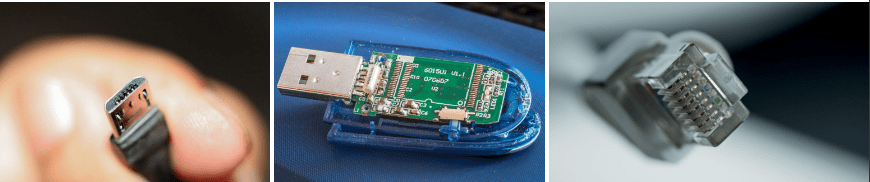
Although wireless technology is advancing rapidly, we still face numerous technical challenges before everything can be fully wireless. For now, and the foreseeable future, wired connectors and plug-in components remain essential across virtually every sector — from consumer electronics to automotive and industrial applications.
Evolving Connector Types and Increasing Complexity
Even something as simple as a PC-to-monitor cable has evolved dramatically — from VGA (RGB) to DVI, and now to HDMI and DisplayPort. Similarly, charging cables for Android smartphones have gone through multiple format changes, driven by the push for faster data transfer, smaller form factors, and higher power efficiency.

As devices shrink and demand faster speeds, connector modules have become increasingly intricate in structure, all while adhering to international standards for compatibility. These modules — found at the ends of cables or within electronic assemblies — require precision-manufactured components that ensure secure, stable connections.
Where Punching Oil Comes In
To manufacture these connectors, raw materials like aluminum and copper undergo various forming and stamping processes using press machines. One key material used in these high-speed, high-precision operations is punching oil.
As materials get thinner and more diverse due to technological advances, the requirements for lubricants used in stamping processes become more demanding. Punching oil not only facilitates smooth metal deformation but also helps preserve die life and ensure clean, burr-free edges.
Unlike larger automotive parts such as motor cores or radiators (where punching oil is also used), connectors are smaller and more complex — requiring even more specialized formulations of lubricants that can withstand tight tolerances and high repetition rates.
Rising Demands from the EV Boom and Miniaturization Trend
The shift toward electric vehicles has led to an exponential increase in the number of electronic and communication components in modern cars. This growth is pushing suppliers to improve their manufacturing processes, materials, and lubricants to meet ever-more stringent standards set by global OEMs.
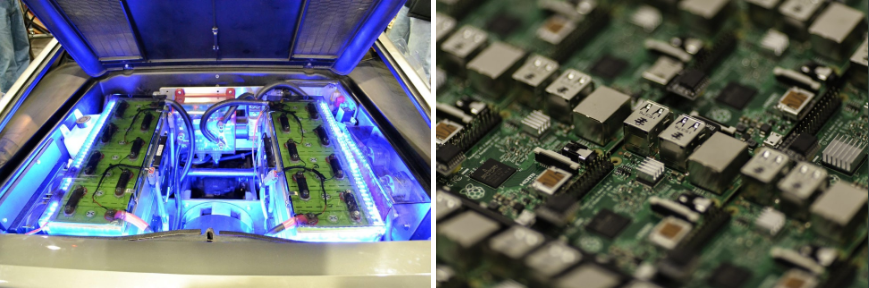
Many manufacturers, including those in connector production, are now handling a wide variety of parts. Depending on material type, shape, and size, a mix of lubricants — such as drawing oils, fine blanking oils, and punching oils — may be required. In the past, many companies relied heavily on imported lubricants. However, domestic Korean alternatives have since caught up in both performance and reliability.
Despite this progress, some manufacturers still cling to costly imports, doubting the quality of local products. We believe this mindset needs to shift — and fast.
Our Commitment
Our company proudly supplies punching oil to leading Korean conglomerates under approved vendor agreements. We also export our products to major global corporations, where performance and consistency are critical.
We don’t just sell — we collaborate. When approached with a new item or requirement, we thoroughly analyze the customer’s manufacturing process, materials, and equipment to develop the optimal solution. At the same time, we strive to offer cost-effective products without compromising on performance.
As the industry continues to evolve, so too does our dedication to innovation — in formulation, application, and customer support.
From the charging cables we use with our smartphones to the communication cables connecting telephones, PCs, and monitors — and even the memory cards and navigation systems in our vehicles — connectors and connection components have been a vital part of our everyday lives for decades.
Despite the surge in wireless technologies in recent years, truly wireless environments remain a distant goal. Numerous technical challenges still stand in the way, and in the meantime, physical connection components like cables and plug-in modules continue to play a critical role across virtually every industry.
Miniaturization and Complexity: The Evolving Cable Interface
Cable connectors — especially those at the ends of communication lines — are now more complex and compact than ever before. To ensure compatibility across various devices, these modules are standardized globally. As data transmission speeds increase, so too does the complexity of connector structures.
For example, the cable used to connect a PC to a monitor has evolved significantly over time, moving from RGB to DVI, and eventually to HDMI, as shown in the image below. Similarly, charging ports for Android smartphones have gone through multiple iterations in a short span.
Precision Components Require Precision Engineering
Each device requires a compatible connector module to establish a secure and functional connection. To manufacture these connector components, precision stamping processes are used — and stamping oil plays an essential role in ensuring the quality and reliability of these operations.
Connectors are typically made from materials like aluminum or copper, which undergo various machining and stamping processes to be formed into intricate shapes. As manufacturing technology continues to advance, the materials used are becoming more diverse, and the thickness of components is decreasing. This evolution increases the technical demands placed on suppliers, making development more challenging than ever.
EV Growth Drives Demand and Innovation
The rapid growth of electric vehicle (EV) production has led to a dramatic increase in the number of in-car electronic systems and communication devices. Naturally, this has also triggered a surge in the demand for associated components — and a parallel need for technical innovation.
In a previous blog post, we introduced how stamping oil is used in the production of motor cores and radiators. Compared to these larger components, connectors are far smaller and more intricate, requiring highly precise stamping molds. Stamping oil must also evolve alongside these tools to meet the increasing demands of miniaturization and complexity.
Supporting Diverse Manufacturing Needs
Many companies that manufacture connectors also produce a variety of other precision components. Depending on the shape, size, and material of each product, a wide range of specialized oils may be required — such as drawing oils and fine blanking oils. While imported lubricants were common in the past, most companies today have transitioned to reliable Korean-made alternatives.
That said, there are still companies that hesitate to trust domestic products, choosing instead to continue using expensive imported oils out of habit or caution. We believe it is time for this mindset to change.
Our Commitment to Innovation and Global Quality
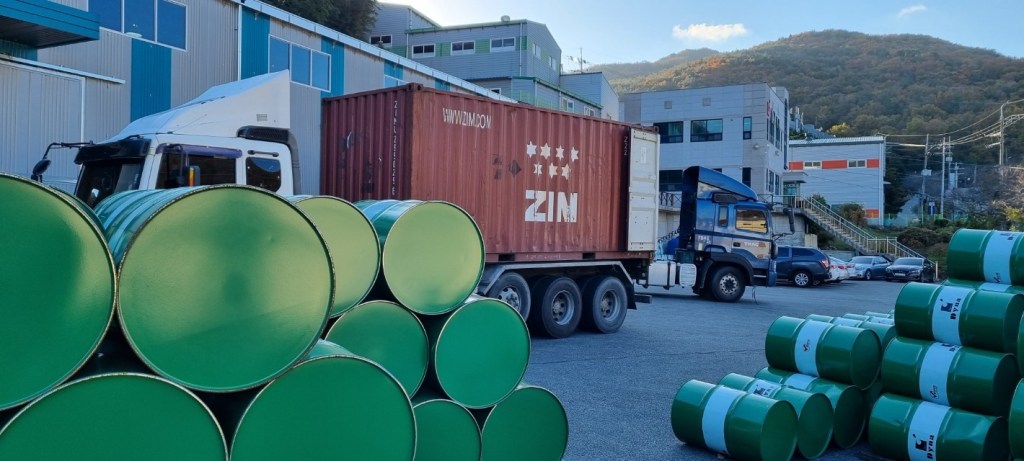
Our company is proud to be an approved supplier to major Korean conglomerates and also exports its products to globally renowned manufacturers. We actively collaborate with clients to understand their processes and equipment, developing optimized products that not only meet technical demands but also help reduce production costs.
Through continuous innovation and close customer collaboration, we aim to provide stamping oils that meet the highest global standards while contributin
Dyna Co., Ltd.
Industrial Lubricant Solution
E-Mail : dyna@dynachem.co.kr
Web : dyna.co.kr/en/
 DYNA Co., Ltd
댓글 남기기