
Aluminum is a lightweight yet durable material widely used across numerous industries. Thin aluminum sheets, in particular, play a vital role in sectors such as automotive, aerospace, and electronics. However, aluminum Stamping—especially of thin sheets—often presents several processing challenges. These issues can significantly impact both product quality and manufacturing efficiency, making it essential to adopt appropriate solutions.
Let’s examine the common problems encountered during aluminum Stamping and how Stamping oil effectively addresses them.
1. Surface Damage (Scratches and Irregular Finish)

One of the most frequent issues in aluminum Stamping is surface damage. During the process, contact between the aluminum sheet and Stamping tools can cause scratches or create an uneven surface. This not only detracts from the product’s appearance but may also require additional post-processing.
How Stamping oil helps:
Stamping oil serves as a lubricant that reduces friction between the aluminum surface and the tool. Its lubricating properties minimize scratching and irregularities by enabling smoother material flow. When the oil’s viscosity and lubricity are properly optimized, it also helps manage frictional heat, thereby preserving surface quality throughout the process.
2. Inconsistent Thickness
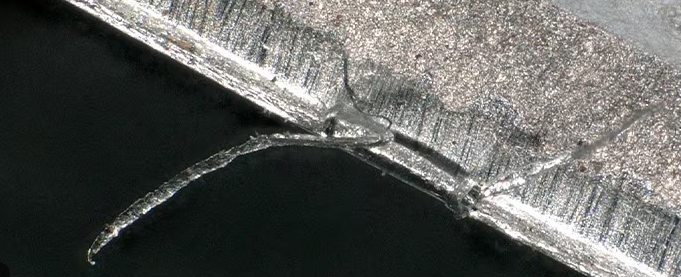
In Stamping thin aluminum sheets, variations in material thickness can occur due to uneven pressure distribution or irregular material flow. This inconsistency can reduce product quality and lead to problems in subsequent processing steps.
How Stamping oil helps:
High-performance Stamping oil promotes uniform material flow during the process. By maintaining consistent friction levels between the sheet and the tool, the oil helps distribute pressure more evenly, thereby reducing thickness variations and ensuring better dimensional control.
3. Thermal Deformation and Excessive Heat Generation

Friction during Stamping generates heat, and excessive temperatures can soften aluminum, making it prone to deformation. Elevated heat can also alter the mechanical properties of aluminum, negatively affecting product integrity.
How Stamping oil helps:
Stamping oil helps dissipate frictional heat and enhances thermal conductivity, preventing excessive temperature buildup during processing. Oils with superior cooling properties lower the risk of thermal deformation and maintain material stability, resulting in higher quality parts.
4. Reduced Processing Speed
Maintaining high processing speeds is crucial for productivity. However, excessive friction can slow down operations by increasing resistance between the material and the tooling. This not only delays the process but also increases production costs.
How Stamping oil helps:
By significantly lowering friction, Stamping oil facilitates faster material flow and smoother tool operation. When viscosity and lubrication are properly balanced, processing speed increases, productivity improves, and operational costs are reduced.
5. Tool and Equipment Wear
Tool wear is an inevitable issue in Stamping operations, especially when working with materials like aluminum. Accelerated tool degradation can compromise quality, shorten tool life, and result in frequent maintenance and unexpected downtime.
How Stamping oil helps:
Stamping oil acts as a protective barrier that minimizes wear by reducing direct metal-to-metal contact. Effective lubrication extends tool life and reduces mechanical wear on equipment. As a result, maintenance costs decrease and unplanned interruptions are minimized.
Conclusion: The Importance of Stamping Oil
The various challenges in aluminum Stamping—from surface damage to tool wear—not only lower productivity but also threaten the overall quality of finished products. Stamping oil plays a vital role in solving these problems. Its lubrication and friction-reducing properties improve surface quality, stabilize processing conditions, and increase throughput. Additionally, the use of appropriate Stamping oil extends the life of machinery and tools while reducing unnecessary operational costs. As such, stamping oil is an essential factor in optimizing the aluminum Stamping process.
At DYNA, we continuously strive to develop high-performance stamping oil technologies and have been recognized for our technical expertise, supplying our products to various domestic and international companies. If you are seeking better performance and quality than your current punching oil or require technical consultation, please do not hesitate to contact us.

Dyna Co., Ltd.
Industrial Lubricant Solution
E-Mail : dyna@dynachem.co.kr
Web : dyna.co.kr/en/
 DYNA Co., Ltd
댓글 남기기