
In metal forming processes, forming oil serves as more than just a lubricant.
It plays a critical role in reducing friction, protecting dies, and ensuring the quality of the final product.
This makes it a decisive factor in productivity and cost efficiency.
Particularly in the automotive, aerospace, and electronics industries, each with its unique materials and process requirements, the applications and benefits of forming oils differ significantly. Let’s explore some representative cases by industry.
Automotive Industry: Balancing Mass Production and Quality

The automotive sector demands both high-volume production and consistent quality. A wide variety of parts such as body panels, chassis components, and engine parts are manufactured through stamping, extrusion, and forging.
- Body panel forming
In large-scale press operations, forming oil ensures smooth material flow, preventing issues such as wrinkling, cracking, or orange peel defects. - Engine and transmission components
When processing high-strength alloy steels, forming oil reduces the intense heat and friction, maintaining precision while extending die life. - Key Benefits
In automotive manufacturing, forming oils lead directly to higher production speed, fewer defects, and lower die replacement costs.
Aerospace Industry: Handling Extreme Materials with Precision
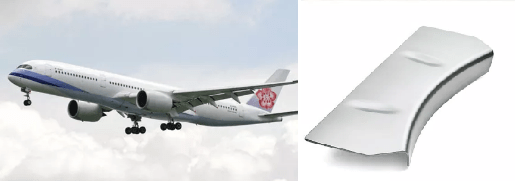
The aerospace industry prioritizes safety and precision above all else. The materials involved—such as aluminum alloys, titanium, and nickel-based alloys—are notoriously difficult to process.
- Airframe and wing structure forming
For large aluminum alloy sheets, forming oils prevent cracking and surface damage while ensuring dimensional accuracy. - Engine components
In the forming of titanium and superalloys that must withstand extreme conditions, specialized forming oils minimize friction and thermal damage, securing durability. - Key Benefits
In aerospace, forming oils help to preserve material integrity, reduce defect rates, and minimize waste of costly metals.
Electronics Industry: Ultra-Precision Forming and Premium Finishing

Unlike other industries, the electronics sector emphasizes miniaturized precision components and premium product appearance.
- Smart device casings
During the forming of aluminum and stainless steel cases for smartphones and laptops, forming oils enable a smooth, uniform surface, enhancing the premium look and feel. - Connectors, pins, and heat sinks
In micro-forming of copper and copper alloys, lubricants help maintain conductivity and minimize deformation. - Key Benefits
In electronics, forming oils contribute to lower defect rates, improved surface finish, and enhanced product reliability.
Overall Benefits
Across all industries, forming oils provide universal advantages:
- Extended die life → reduced maintenance and replacement costs
- Improved process efficiency → higher productivity
- Enhanced product quality → stronger market competitiveness
- Reduced waste and scrap → cost savings and resource efficiency
The Value of Dyna
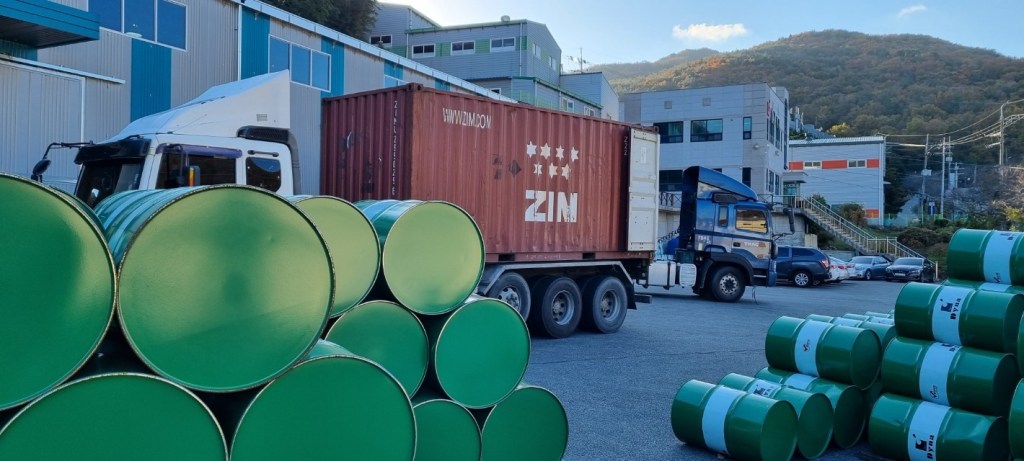
At Dyna, we deliver customized forming oil solutions tailored to the unique requirements of the automotive, aerospace, and electronics industries.
- A diverse product portfolio optimized for different materials and processes
- Advanced technology focused on die protection and production efficiency
- Environmentally friendly product lines that meet modern sustainability standards
With Dyna forming oils, your company can enhance both productivity and competitiveness at the same time.
Dyna Co., Ltd.
Industrial Lubricant Solution
E-Mail : dyna@dynachem.co.kr
Web : dyna.co.kr/en/
 DYNA Co., Ltd
댓글 남기기