
Electrical Discharge Machining (EDM) is a widely used precision machining technology, especially in mold, aerospace, medical, and electronics industries. In this process, EDM oil plays a crucial role—not just as a lubricant, but also as a dielectric fluid, coolant, and cleaning agent. The right choice of EDM oil directly affects machining quality, productivity, and overall cost efficiency.
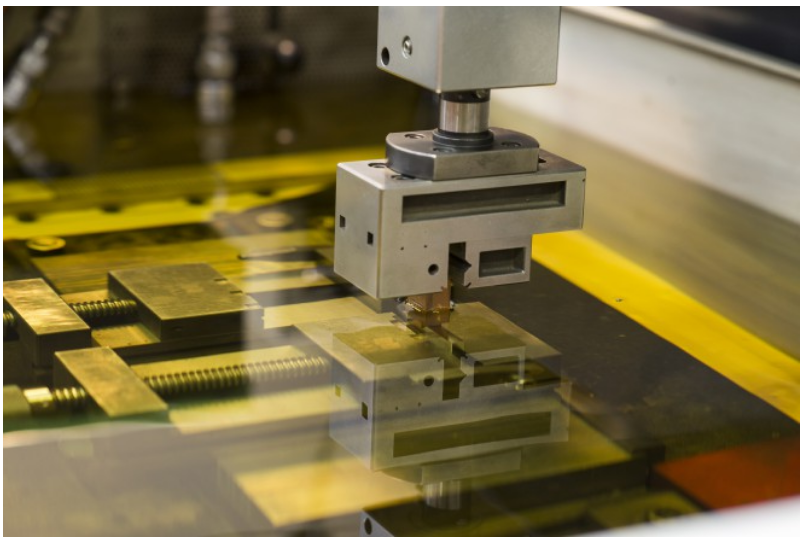
In this post, we’ll explore the key factors to consider when selecting EDM oil for your operations.
Viscosity
- Low viscosity → Better flushing performance: Enables faster removal of debris and particles generated during discharge, which is critical in micro-EDM.
- Balanced viscosity → Stable dielectric performance: Too low viscosity may reduce dielectric strength, while too high viscosity can hinder flushing.
TIP: Low-viscosity oils are generally recommended for fine micro-machining, while medium-viscosity oils are more suitable for deep cavity machining.
Flash Point
- A high flash point is essential to reduce risks of ignition or fire caused by sparks and high temperatures during machining.
- Oils with a higher flash point also tend to last longer, reducing the frequency of oil changes and overall maintenance costs.
TIP: For high-speed EDM or mass production lines, high flash point oils are strongly recommended.
Dielectric Strength
- One of the most important properties of EDM oil is its dielectric strength.
- Poor dielectric performance can cause unwanted arcing, electrode wear, machining inaccuracy, and surface defects.
- Oils with excellent dielectric strength ensure uniform discharge, significantly improving precision and surface finish.
Oxidative Stability
- EDM oil is exposed to high temperatures for long periods, so oxidative stability is critical.
- Oxidized oil leads to viscosity changes, sludge buildup, reduced machine performance, machining defects, and frequent oil replacement.
TIP: Premium EDM oils with enhanced oxidative stability additives can help protect equipment, extend oil life, and reduce maintenance costs.
Compatibility with Machines and Operating Environment
- EDM oil must be compatible with the machine’s pumps, filters, and circulation systems.
- The choice should also align with workplace conditions, such as ventilation, temperature, and safety requirements.
- Recently, low-odor, low-smoke, and eco-friendly EDM oils have gained popularity, improving worker safety and supporting ESG-driven operations.

Conclusion
EDM oil is not just a consumable but a critical factor that influences machining quality, safety, and productivity.
- Technical considerations: viscosity, flash point, dielectric strength, and oxidative stability
- Practical considerations: compatibility with machines and workplace environment
By balancing these factors, manufacturers can reduce defects, extend tool and electrode life, and achieve significant cost savings over time.
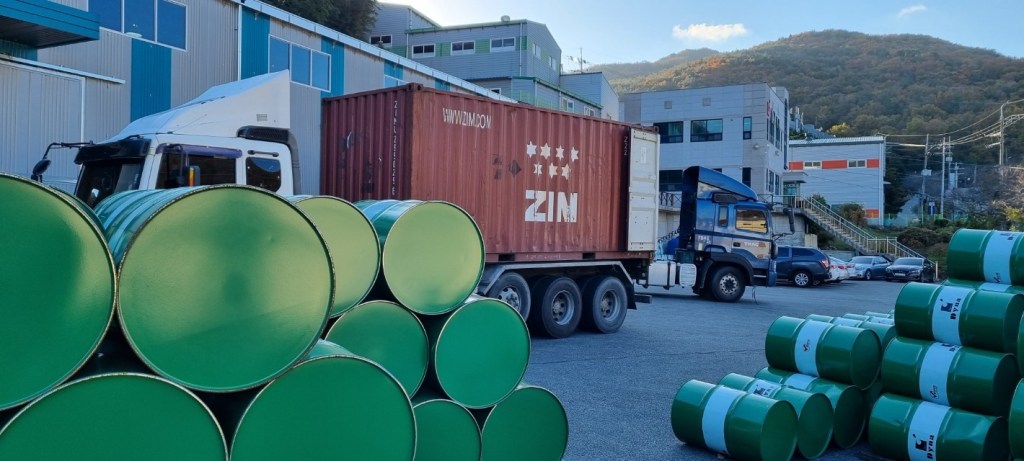
At Dyna, we provide optimized EDM oil solutions tailored to your machining environment—delivering safety, reliability, and productivity all in one.
Dyna Co., Ltd.
Industrial Lubricant Solution
E-Mail : dyna@dynachem.co.kr
Web : dyna.co.kr/en/
 DYNA Co., Ltd
댓글 남기기