
When it comes to producing precision molds or ultra-fine components, Electrical Discharge Machining (EDM) is one of the most indispensable technologies.
This process removes metal using micro-discharges between an electrode and the workpiece — and at the heart of this operation lies a critical, yet often overlooked component: EDM fluid.
Although it may look like ordinary insulating oil, EDM fluid is the hidden hero that dictates machining precision, surface quality, and process stability.
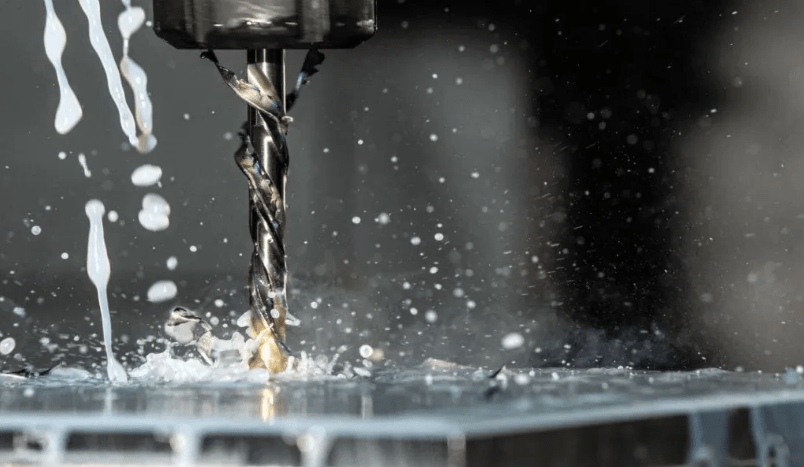
The Fundamental Roles of EDM Fluid
EDM fluid does far more than simply wet the workpiece and electrode. It performs several essential functions that directly influence machining results:
- Insulation
Maintains dielectric strength between the electrode and workpiece so that discharge occurs only when required.
This prevents unwanted arcing, surface damage, and ensures stable machining. - Cooling
Absorbs and dissipates the intense heat generated during discharge, reducing electrode wear and preventing thermal distortion of the workpiece. - Flushing
Removes debris and metal particles (sludge) generated during discharge, keeping the gap clean and preventing short circuits. - Surface Finish Improvement
Stable dielectric recovery and consistent viscosity allow uniform micro-discharges, resulting in smooth surface finishes and precise geometry.
Viscosity and Dielectric Strength — The Key to Quality
Two major characteristics determine EDM oil performance: viscosity and dielectric strength.
- Low-viscosity fluids offer excellent flushing and faster discharge cycles,
→ ideal for rough or high-speed cutting applications. - High-viscosity fluids provide superior insulation and stable micro-discharges,
→ ideal for fine finishing or high-precision machining.
Selecting the right combination of viscosity and dielectric properties is essential to achieve optimal EDM quality and process efficiency.
The New Trend: Eco-Friendly, Low-Odor, and High-Stability Oils
While traditional EDM oils were mainly mineral-based, the industry is rapidly shifting toward synthetic and eco-friendly EDM fluids. These next-generation oils offer multiple advantages:
- Enhanced oxidation stability → less degradation and viscosity change over long-term use
- Low odor and low irritation → better operator comfort and a safer work environment
- Reduced impurities → improved discharge stability and lower electrode wear
Some advanced fluids are even VOC-reduced, meeting stricter environmental and safety standards in modern manufacturing facilities.
Proper Maintenance Ensures Consistent Performance
Even the best EDM oil cannot perform well without proper maintenance.
To preserve its properties and ensure consistent machining quality, the following management practices are critical:
- Regular filtering to remove debris and sludge
- Frequent inspection for moisture contamination, which lowers dielectric strength
- Monitoring color and viscosity changes
- Periodic partial or full replacement depending on operating conditions
A disciplined maintenance routine not only ensures stable EDM performance but also extends machine and oil life.
Conclusion
In EDM machining, the visible sparks between the electrode and workpiece draw most of the attention —
but the way those sparks behave is ultimately determined by the EDM fluid.
From machining efficiency and surface quality to electrode wear and operator safety,
every aspect of EDM performance depends on the right fluid selection and management.
EDM oil is not just a consumable — it is a true partner in precision manufacturing.

Dyna Co., Ltd.
Industrial Lubricant Solution
E-Mail : dyna@dynachem.co.kr
Web : dyna.co.kr/en/
 DYNA Co., Ltd
댓글 남기기