
Innovation in Dielectric Fluid Management for Intelligent Machining Systems
The manufacturing industry is rapidly evolving toward smart factories, automation, and intelligent production systems.
Electrical Discharge Machining (EDM) is no exception — as unmanned and continuous operations become more common, maintaining the quality and stability of EDM oil (dielectric fluid) has become more critical than ever.
In automated EDM environments, dielectric oil is no longer a passive medium; it has become a core factor that determines machining precision, equipment reliability, and operational efficiency.
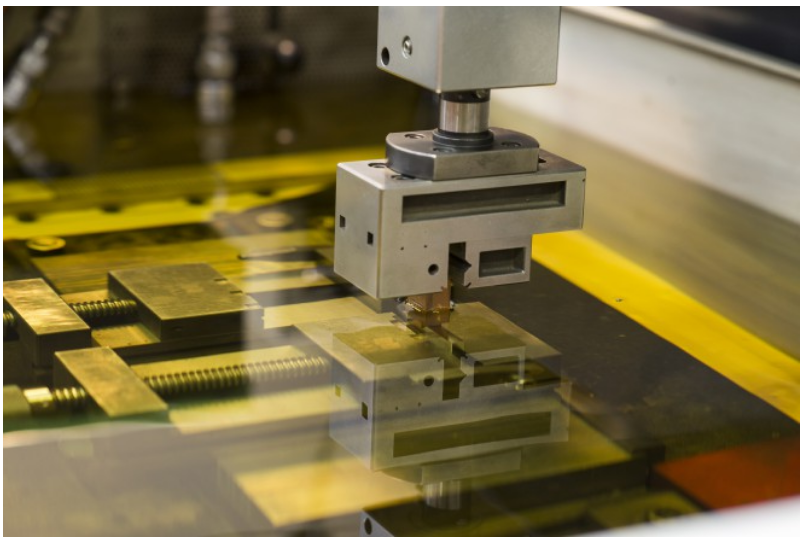
1. Why EDM Oil Management Matters in Automation
In unmanned machining systems, operators cannot constantly monitor the process.
This means that issues such as oil degradation, contamination, viscosity changes, and oxidation may occur without immediate detection.
Such changes can lead to several critical problems:
- ⚠️ Reduced dielectric strength → unstable discharges and surface defects
- ⚠️ Increased viscosity → lower cooling and flushing efficiency
- ⚠️ Sludge buildup → electrode wear and irregular sparking
- ⚠️ Oxidation → unpleasant odor, discoloration, and lower flash point
Therefore, maintaining oil properties at a consistent and stable level is essential to ensure process reliability in automated EDM systems.
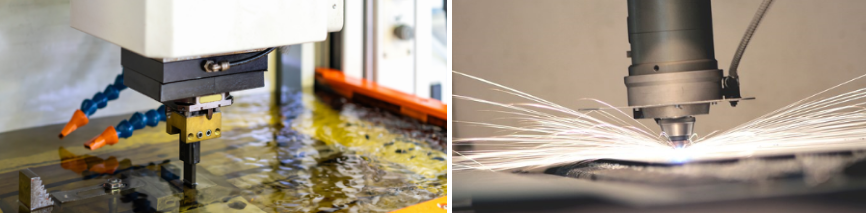
2. Core Elements of Intelligent EDM Oil Management
✅ (1) Real-Time Oil Monitoring Systems
Modern EDM machines are equipped with sensor-based oil monitoring systems that continuously measure temperature, viscosity, conductivity, and contamination levels.
These systems automatically detect abnormalities and issue alerts before problems escalate.
Example: If viscosity increases, the system alerts operators and initiates automatic oil replenishment or purification.
This data-driven predictive maintenance approach minimizes downtime and extends the service life of EDM oil.
✅ (2) Automatic Filtration and Circulation Systems
During long machining operations, metal debris and electrode erosion are inevitable.
To address this, automated filtration and circulation systems are now standard features.
- Fine filtration (below 5 μm) removes metal particles
- Heat exchangers maintain constant oil temperature
- Automated replenishment and regeneration systems extend oil life
These systems ensure consistent oil quality, enhancing surface integrity, machining stability, and machine uptime.
✅ (3) Adoption of High-Performance Synthetic EDM Oils
Continuous unmanned operations demand oils with superior stability and safety.
Hence, synthetic EDM oils are increasingly replacing conventional mineral-based fluids.
Key advantages include:
- High oxidative stability → minimal viscosity variation over time
- Elevated flash point → improved operational safety
- Low volatility → reduced odor and vapor emission
- Balanced cooling, insulation, and flushing performance
Next-generation synthetic EDM oils also feature low-odor, non-toxic formulations, aligning with modern environmental and workplace safety standards.
3. Key Maintenance Practices for Smart EDM Systems
- Regular analysis — Monitor viscosity, dielectric strength, and oxidation (TAN)
- Filter management — Automate filter replacement and efficiency tracking
- Predictive oil replacement — Use AI-based analytics to forecast oil life cycle
- Environmental safety — Integrate ventilation, fire prevention, and leakage controls
A systematic oil management program enhances reliability in unmanned operations and prevents unexpected machining errors or equipment downtime.
4. Future Outlook: Data-Driven Fluid Intelligence
EDM oil management is evolving from traditional maintenance to data-driven intelligent fluid management.
- IoT sensors collect real-time oil condition data
- AI algorithms predict degradation trends
- Integration with ERP/MES systems enables automated maintenance planning
This transformation allows manufacturers to quantify process quality and manage EDM oil as a strategic machining asset, rather than a consumable.
✅ Conclusion
In the era of automation and unmanned machining, EDM oil management has become a critical production technology, not a secondary concern.
By adopting real-time monitoring, automated purification, and data-driven maintenance systems, manufacturers can significantly improve machining quality, equipment reliability, and operational efficiency.
In short, intelligent EDM oil management is the “invisible key to productivity” in smart manufacturing environments.

Dyna Co., Ltd.
Industrial Lubricant Solution
E-Mail : dyna@dynachem.co.kr
Web : dyna.co.kr/en/


답글 남기기