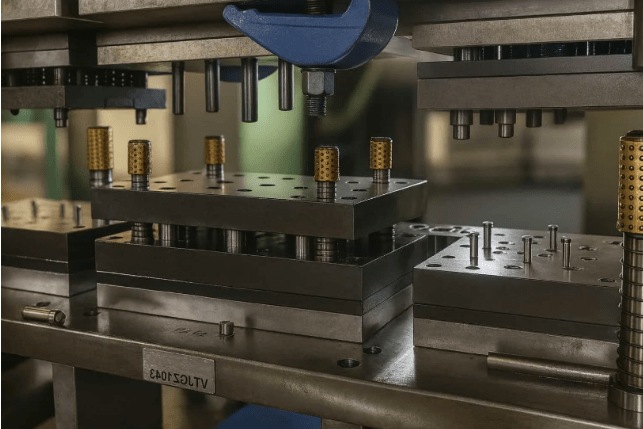
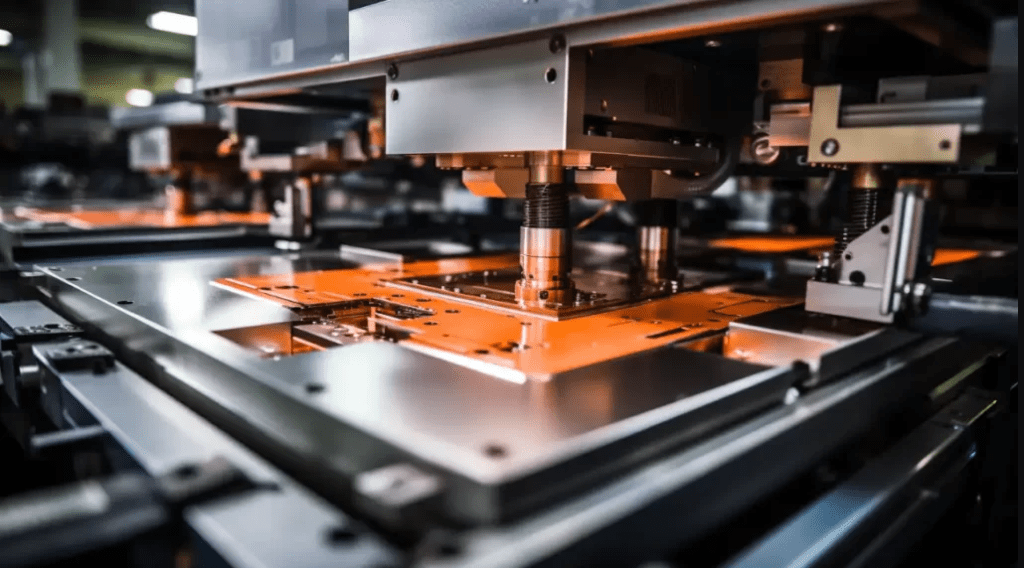
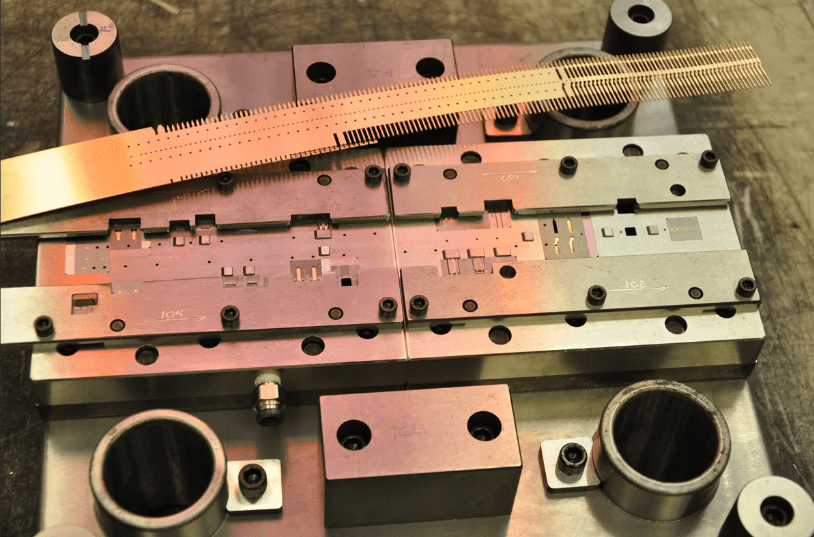
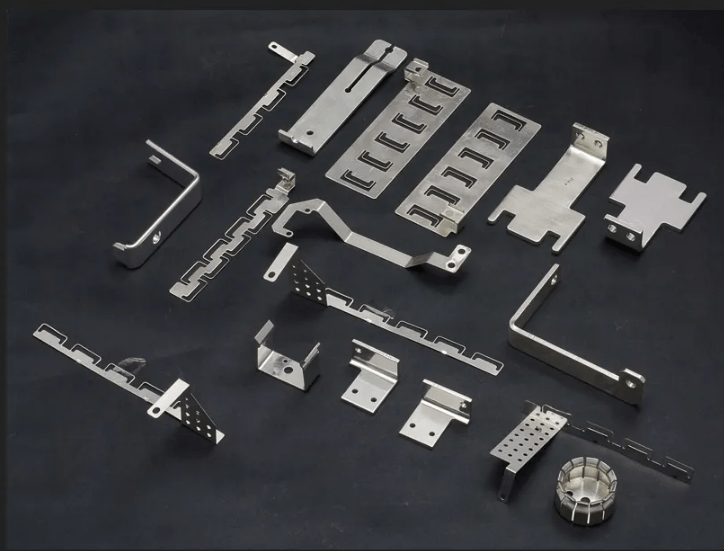
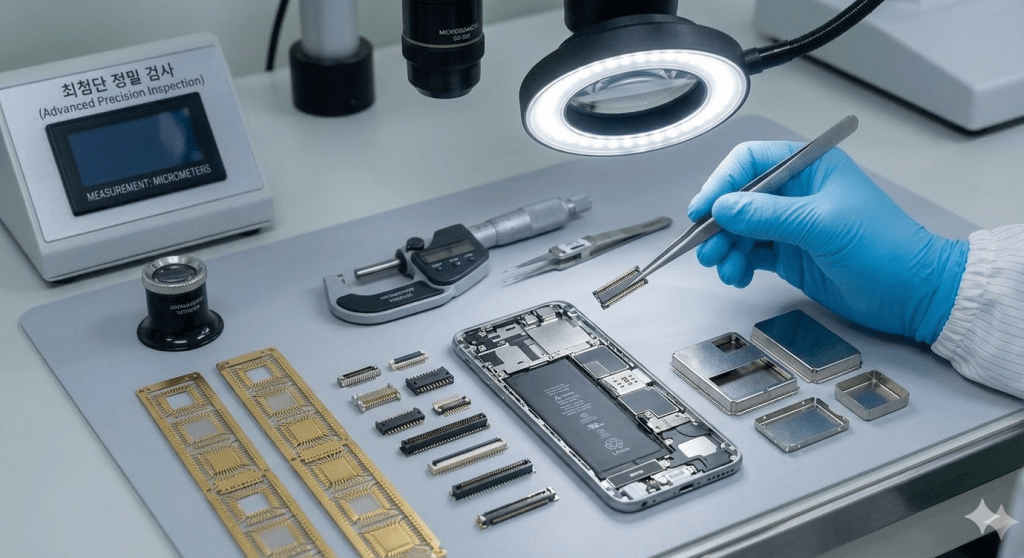
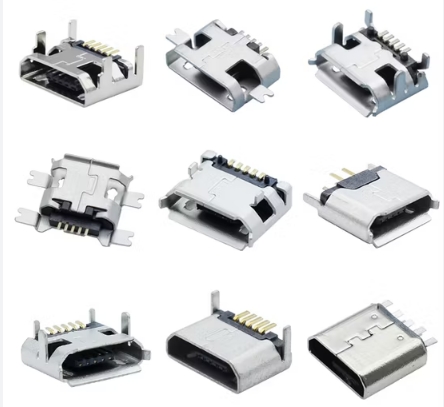
• Electrical Discharge Machining (EDM) is a widely used precision machining technology, especially in mold, aerospace, medical, and electronics industries. In this process, EDM oil plays a crucial role—not just as a lubricant, but also as a dielectric fluid, coolant, and cleaning agent. The right choice of EDM oil directly affects machining quality, productivity, and overall cost efficiency.

    In this post, we’ll explore the key factors to consider when selecting EDM oil for your operations.

    Viscosity
    • Low viscosity → Better flushing performance: Enables faster removal of debris and particles generated during discharge, which is critical in micro-EDM.
    • Balanced viscosity → Stable dielectric performance: Too low viscosity may reduce dielectric strength, while too high viscosity can hinder flushing.

    TIP: Low-viscosity oils are generally recommended for fine micro-machining, while medium-viscosity oils are more suitable for deep cavity machining.

    Flash Point
    • A high flash point is essential to reduce risks of ignition or fire caused by sparks and high temperatures during machining.
    • Oils with a higher flash point also tend to last longer, reducing the frequency of oil changes and overall maintenance costs.

    TIP: For high-speed EDM or mass production lines, high flash point oils are strongly recommended.

    Dielectric Strength
    • One of the most important properties of EDM oil is its dielectric strength.
    • Poor dielectric performance can cause unwanted arcing, electrode wear, machining inaccuracy, and surface defects.
    • Oils with excellent dielectric strength ensure uniform discharge, significantly improving precision and surface finish.
    Oxidative Stability
    • EDM oil is exposed to high temperatures for long periods, so oxidative stability is critical.
    • Oxidized oil leads to viscosity changes, sludge buildup, reduced machine performance, machining defects, and frequent oil replacement.

    TIP: Premium EDM oils with enhanced oxidative stability additives can help protect equipment, extend oil life, and reduce maintenance costs.

    Compatibility with Machines and Operating Environment
    • EDM oil must be compatible with the machine’s pumps, filters, and circulation systems.
    • The choice should also align with workplace conditions, such as ventilation, temperature, and safety requirements.
    • Recently, low-odor, low-smoke, and eco-friendly EDM oils have gained popularity, improving worker safety and supporting ESG-driven operations.
    Conclusion

    EDM oil is not just a consumable but a critical factor that influences machining quality, safety, and productivity.

    • Technical considerations: viscosity, flash point, dielectric strength, and oxidative stability
    • Practical considerations: compatibility with machines and workplace environment

    By balancing these factors, manufacturers can reduce defects, extend tool and electrode life, and achieve significant cost savings over time.

    At Dyna, we provide optimized EDM oil solutions tailored to your machining environment—delivering safety, reliability, and productivity all in one.

    Dyna Co., Ltd.
    Industrial Lubricant Solution

    E-Mail : dyna@dynachem.co.kr
    Web : dyna.co.kr/en/
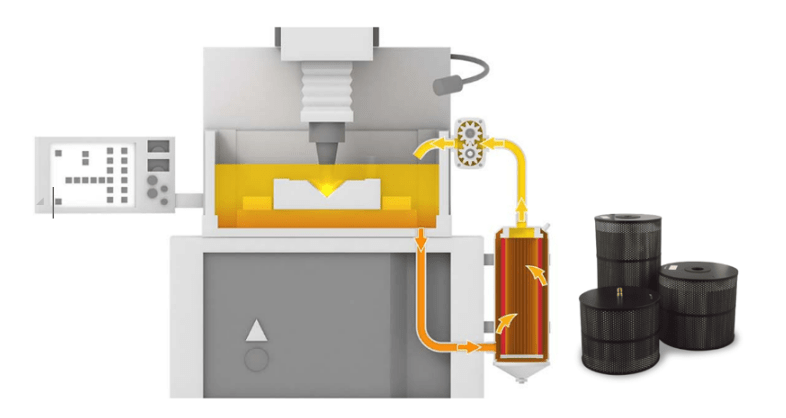
  • In the metal forming industry, the role of forming oil is becoming increasingly important. At the same time, tightening environmental regulations and growing pressure for sustainability have made the development of eco-friendly forming oils a key industry trend. This article explores the latest technological and research trends, focusing on keywords such as chlorine-free, sulfur-free, and non-volatile, while also considering both the potential and the limitations of eco-friendly forming oils.

    Why Eco-Friendly Forming Oil?

    • Traditional mineral oil-based forming oils often contain chlorine, sulfur, and other additives that may cause environmental pollution, residual toxicity, and higher waste treatment costs.
    • Concerns are rising over greenhouse gas emissions, ecological damage, and workplace safety (human health risks).
    • Both international and domestic regulations on chemical usage, waste management, and air/water pollution are becoming stricter and directly impacting the industry.

    Against this backdrop, demand is growing for forming oil products that can minimize environmental impact while still delivering processing efficiency, die protection, and product quality.

    Recent Research and Technology Trends

    Here are some key findings from recent studies and developments:

    CategoryKey Developments
    Vegetable Oils + Eco-Friendly AdditivesExample: Sheet metal forming experiments using vegetable oil-based lubricants with boric acid additives showed lower friction coefficients and reduced die wear and galling compared to mineral oil-based lubricants.
    Bio-Based / Biodegradable OilsProducts are being developed using vegetable esters, biodiesel-derived oils, or non-edible plant oils that offer biodegradability and reduced ecotoxicity.
    Chlorine-Free / Sulfur-Free AdditivesResearch is focusing on replacing conventional chlorine- and sulfur-based extreme-pressure additives, since chlorine and sulfur compounds are major sources of harmful emissions and pollutants.
    Non-Volatile FormulationsDeveloping oils with reduced VOC emissions, higher flash points, and lower risks of smoke, odor, or ignition. Vegetable-based oils often outperform mineral oils in this area.
    Solid Lubricants / Nano-AdditivesUse of graphite, molybdenum disulfide (MoS₂), boric acid, or nano-silica as solid or nano-particle additives to reduce friction and strengthen protective films. These materials are also explored as alternatives to chlorine- and sulfur-based additives.

    Benefits of Eco-Friendly Forming Oil

    When commercialized, these technologies are expected to bring several benefits to manufacturing sites:

    1. Compliance with Environmental Regulations
      Chlorine- and sulfur-free formulations help meet chemical regulations and reduce environmental risks.
    2. Improved Worker Health and Safety
      Reduced emissions of harmful volatiles, odors, and toxic gases lead to a safer and cleaner workplace.
    3. Lower Waste Disposal and Maintenance Costs
      Biodegradable oils reduce waste disposal and cleaning costs, while decreased die wear leads to lower die replacement expenses.
    4. Better Product Quality and Extended Die Life
      Lower friction and improved protection minimize defects such as galling, scratches, and scoring, while higher thermal stability prevents deformation and cracking.
    5. Enhanced Corporate Image and Sustainability Value
      Aligns with ESG (Environmental, Social, and Governance) initiatives, supports eco-certifications, and improves customer/consumer perception.

    Challenges and Limitations

    There are still technical and practical hurdles to overcome:

    • Vegetable oils may suffer from low oxidative stability, degrading quickly when exposed to heat and oxygen.
    • Poor low-temperature fluidity (high pour point) can limit applications.
    • Some chlorine-free and sulfur-free additives may have lower extreme-pressure performance than conventional ones.
    • Higher costs due to bio-based or nano-material ingredients.
    • Limited testing and field validation of alternative additives.

    Future Outlook and Development Directions

    Eco-friendly forming oil development is likely to focus on:

    • Utilizing non-edible vegetable oils and renewable raw materials.
    • Combining solid lubricants and nano-additives for durability under extreme conditions.
    • Non-volatile, low-VOC formulations with high flash points.
    • Eco-friendly additive packages, such as chlorine- and sulfur-free EP agents, as well as green antioxidants and corrosion inhibitors.
    • Advanced lubrication channel management for longevity, filtration, and recyclability.
    • Meeting international certifications and regulatory standards (e.g., OECD biodegradability, EU REACH, U.S. EPA).

    Strategies for Dyna

    For a company like Dyna, strategies to respond to this trend and lead in product development may include:

    • Developing a dedicated eco-friendly product line: chlorine-free, sulfur-free, low VOC, biodegradable.
    • Strengthening performance testing to benchmark against conventional products in terms of friction, thermal stability, and die protection.
    • Monitoring domestic and global environmental regulations continuously.
    • Sharing customer case studies from automotive, aerospace, and electronics industries to showcase productivity and cost-saving benefits.
    • Acquiring sustainability certifications, such as biodegradability tests, eco-labels, and environmental agency approvals, to reinforce trust.

    Conclusion

    Eco-friendly forming oil is no longer a passing trend — it has become a necessary direction for the manufacturing industry. While technologies such as chlorine-free, sulfur-free, and non-volatile formulations present early challenges in terms of cost and performance, in the long run, they offer the triple advantage of cost reduction, environmental protection, and enhanced brand value.

    Would you like me to make this English version a bit more marketing-oriented, with smoother transitions that highlight Dyna’s leadership in eco-friendly solutions?

    Dyna Co., Ltd.
    Industrial Lubricant Solution

    E-Mail : dyna@dynachem.co.kr
    Web : dyna.co.kr/en/
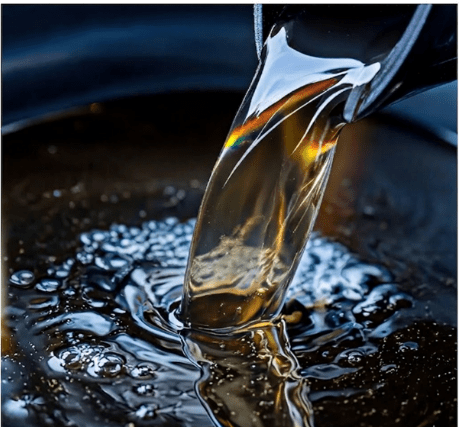
  • In metal forming processes, forming oil serves as more than just a lubricant.
    It plays a critical role in reducing friction, protecting dies, and ensuring the quality of the final product.
    This makes it a decisive factor in productivity and cost efficiency.

    Particularly in the automotive, aerospace, and electronics industries, each with its unique materials and process requirements, the applications and benefits of forming oils differ significantly. Let’s explore some representative cases by industry.

    Automotive Industry: Balancing Mass Production and Quality

    The automotive sector demands both high-volume production and consistent quality. A wide variety of parts such as body panels, chassis components, and engine parts are manufactured through stamping, extrusion, and forging.

    • Body panel forming
      In large-scale press operations, forming oil ensures smooth material flow, preventing issues such as wrinkling, cracking, or orange peel defects.
    • Engine and transmission components
      When processing high-strength alloy steels, forming oil reduces the intense heat and friction, maintaining precision while extending die life.
    • Key Benefits
      In automotive manufacturing, forming oils lead directly to higher production speed, fewer defects, and lower die replacement costs.

    Aerospace Industry: Handling Extreme Materials with Precision

    The aerospace industry prioritizes safety and precision above all else. The materials involved—such as aluminum alloys, titanium, and nickel-based alloys—are notoriously difficult to process.

    • Airframe and wing structure forming
      For large aluminum alloy sheets, forming oils prevent cracking and surface damage while ensuring dimensional accuracy.
    • Engine components
      In the forming of titanium and superalloys that must withstand extreme conditions, specialized forming oils minimize friction and thermal damage, securing durability.
    • Key Benefits
      In aerospace, forming oils help to preserve material integrity, reduce defect rates, and minimize waste of costly metals.

    Electronics Industry: Ultra-Precision Forming and Premium Finishing

    Unlike other industries, the electronics sector emphasizes miniaturized precision components and premium product appearance.

    • Smart device casings
      During the forming of aluminum and stainless steel cases for smartphones and laptops, forming oils enable a smooth, uniform surface, enhancing the premium look and feel.
    • Connectors, pins, and heat sinks
      In micro-forming of copper and copper alloys, lubricants help maintain conductivity and minimize deformation.
    • Key Benefits
      In electronics, forming oils contribute to lower defect rates, improved surface finish, and enhanced product reliability.

    Overall Benefits

    Across all industries, forming oils provide universal advantages:

    • Extended die life → reduced maintenance and replacement costs
    • Improved process efficiency → higher productivity
    • Enhanced product quality → stronger market competitiveness
    • Reduced waste and scrap → cost savings and resource efficiency

    The Value of Dyna

    At Dyna, we deliver customized forming oil solutions tailored to the unique requirements of the automotive, aerospace, and electronics industries.

    • A diverse product portfolio optimized for different materials and processes
    • Advanced technology focused on die protection and production efficiency
    • Environmentally friendly product lines that meet modern sustainability standards

    With Dyna forming oils, your company can enhance both productivity and competitiveness at the same time.

    Dyna Co., Ltd.
    Industrial Lubricant Solution

    E-Mail : dyna@dynachem.co.kr
    Web : dyna.co.kr/en/
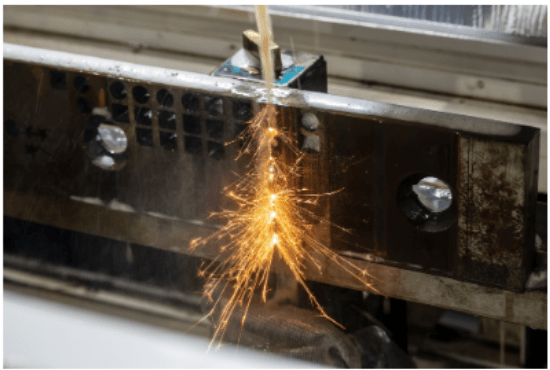
  • Protecting Dies and Cutting Maintenance Costs

    In metal forming operations, dies are among the most valuable assets that directly determine productivity. However, due to high loads, friction, and heat generation, dies are prone to wear and damage—leading to production downtime, expensive die replacement, and quality defects.

    This is where metal forming oil plays a crucial role. The right lubricant not only enhances forming efficiency but also directly contributes to die protection, extended tool life, and lower overall maintenance costs.

    1. Reducing Friction to Minimize Die Wear

    Friction between the die and the workpiece is one of the primary causes of die damage.
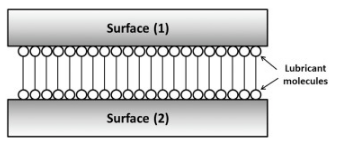
    Forming oil creates a protective film that reduces direct metal-to-metal contact, which results in:

    • Less scratching and wear on die surfaces
    • Improved dimensional accuracy of the die
    • Lower product defect rates

    2. Controlling Heat to Prevent Thermal Damage

    Metal forming generates significant heat due to friction. Excessive heat can cause die deformation, cracking, and surface damage.
    High-performance forming oils with superior cooling capacity help:

    • Maintain stable die temperatures
    • Prevent thermal fatigue and cracking
    • Enable longer continuous operation

    3. Lower Maintenance and Repair Costs

    Extending die life translates into significant cost savings in maintenance and operations.

    • Longer replacement cycles → Reduced die manufacturing and purchase costs
    • Fewer repair interventions → Lower labor costs and minimized downtime
    • More predictable die management

    4. Ensuring Product Quality and Reliability

    The more stable the die performance, the more consistent the product quality. This leads to:

    • Reduced defect rates
    • Stronger customer trust
    • Long-term competitiveness in production

    Thus, metal forming oil is not just a consumable—it is a core element of quality assurance.
    Forming oil plays a central role in cost reduction by protecting dies and extending their service life.

    • Friction reduction → Less die wear
    • Heat control → Prevention of thermal damage
    • Lower maintenance costs → Maximized production efficiency

    At Dyna, we provide forming oil solutions optimized for various metalworking environments to help our customers extend die life and cut maintenance costs.
    Experience the clear answer with us: “Protecting Dies = Reducing Costs.”

    Dyna Co., Ltd.
    Industrial Lubricant Solution

    E-Mail : dyna@dynachem.co.kr
    Web : dyna.co.kr/en/
  • A Guide to Lubricant Selection by Material

    In metal forming, lubricants do more than simply reduce friction between the die and the workpiece—they are a key factor that determines product quality, tool life, and productivity. However, a single lubricant cannot deliver the best results for all materials.

    Aluminum, stainless steel, and copper each have unique characteristics and forming challenges, requiring different lubricant properties. This article provides a material-specific guide to selecting the optimal forming oil.

    1. Aluminum – Anti-Galling and Cleanliness Are Crucial

    Aluminum is highly ductile but prone to galling (adhesive wear) during forming, where material sticks to the die surface.
    Forming oils for aluminum should have:

    • Anti-galling performance: Includes additives that prevent adhesion between tool and workpiece
    • Low viscosity: Ensures smooth flow, high surface finish, and minimal residue
    • Excellent cleanliness: Leaves little residue, making it suitable for post-treatments such as painting or anodizing

    Recommended: Chlorine-free, low-viscosity oils / water-soluble lubricants are also widely used

    2. Stainless Steel – High Load Capacity and Heat Resistance

    Stainless steel has high strength and strain hardening properties, which result in greater forming resistance and heat generation.
    Forming oils for stainless steel must offer:

    • Extreme pressure performance: EP additives to prevent wear and tool damage
    • Thermal stability: Stable lubrication films under high temperatures
    • Corrosion protection: Prevents reaction with chromium in stainless steel

    Recommended: High-viscosity oils with advanced EP additives

    3. Copper and Brass – Preventing Stains and Ensuring Clean Surfaces

    Copper and brass have good formability, but they are susceptible to chemical reactions leading to tarnishing or corrosion.
    Forming oils for copper alloys should provide:

    • Non-reactive additives: Avoid sulfur- or chlorine-based additives that can cause staining
    • Superior detergency: Keeps surfaces clean for downstream processes such as soldering or plating
    • Oxidation stability: Prevents surface discoloration and degradation

    Recommended: Sulfur-free, chlorine-free, clean-forming oils

    Conclusion – Tailored Selection Is the Key

    • Aluminum → Focus on anti-galling & cleanliness
    • Stainless steel → Ensure high-load lubrication & heat resistance
    • Copper/Brass → Prioritize stain prevention & detergency

    Ultimately, understanding the unique characteristics of each material and selecting the right lubricant is the key to ensuring forming quality, productivity, and tool life.

    The Promise of Dyna

    At Dyna, we provide forming oil solutions optimized for different materials such as aluminum, stainless steel, and copper.
    With tailored lubrication technology, we support our customers’ productivity and competitiveness, serving as a trusted partner in solving on-site challenges.

    Dyna Co., Ltd.
    Industrial Lubricant Solution

    E-Mail : dyna@dynachem.co.kr
    Web : dyna.co.kr/en/
  • In today’s manufacturing environment, metal forming oil is not just a simple lubricant—it’s a critical element that determines product quality, die life, and production efficiency. Choosing the right oil can significantly reduce costs and improve competitiveness, while the wrong choice may lead to frequent downtime, shorter die life, and higher defect rates.

    Here are the five key factors you should consider when selecting a metal forming oil.

    1. Viscosity – The Balance Between Lubrication and Workability

    The viscosity of the oil directly affects its ability to reduce friction.

    • Too high → may cause residue build-up and reduce cooling efficiency
    • Too low → may fail to provide adequate lubrication under heavy loads
      Choosing the right viscosity ensures smooth forming operations and reduces energy consumption.
    2. Cooling Performance – Controlling Heat for Stable Production

    Excessive heat during forming accelerates die wear and increases the risk of product defects. Oils with good cooling properties help:

    • Prevent thermal cracking of dies
    • Maintain stable forming conditions
    • Extend equipment life

    A well-cooled process means longer uptime and fewer unexpected interruptions.

    3. Lubricity – Protecting Dies and Enhancing Precision

    Strong lubricating performance minimizes direct metal-to-metal contact. This leads to:

    • Reduced die wear and longer die life
    • Lower forming loads
    • Enhanced precision in final products

    High lubricity is especially critical for high-strength steels, stainless steel, and aluminum alloys.

    4. Cleanliness and Residue Control – Smoother Post-Processing

    Residue and stains left after forming can cause serious issues in post-processing steps like painting, welding, or plating. The ideal oil should:

    • Burn off cleanly without sticky residues
    • Be easy to wash with standard cleaning solutions
    • Reduce contamination risks in subsequent processes

    A clean operation translates to higher productivity and fewer quality failures.

    5. Environmental and Safety Considerations – Meeting Modern Standards

    Today’s manufacturers face growing pressure to adopt eco-friendly and safe solutions. Choosing oils that are:

    • Low in volatile organic compounds (VOCs)
    • Free from chlorine and heavy metals
    • Biodegradable or easily recyclable

    …not only ensures compliance with regulations but also enhances your brand’s image as a sustainable manufacturer.

    Selecting the right metal forming oil is about more than just lubrication—it’s about efficiency, quality, and responsibility. By evaluating your needs based on viscosity, cooling, lubricity, cleanliness, and environmental impact, you can build a forming process that is not only cost-efficient but also future-ready.

    At the end of the day, the right oil is an investment in your productivity, profitability, and reputation.

    Dyna Co., Ltd.
    Industrial Lubricant Solution

    E-Mail : dyna@dynachem.co.kr
    Web : dyna.co.kr/en/
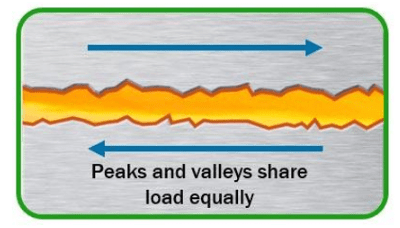
  • In metal forming processes, simply applying mechanical force is not enough to achieve stable production. Under high temperature and pressure, friction, heat, and die wear are the main causes of reduced productivity and quality defects. The essential solution to these challenges is metal forming oil.

    In this article, we will explore the three major roles that metal forming oils play in the field.

    1. Friction Reduction

    During metal forming, the workpiece and the die come into strong contact while sliding or pressing against each other. Excessive friction generates heat and increases the forming load, which places unnecessary stress on equipment.

    Metal forming oil forms a lubrication film that minimizes contact between the metal and the die.

    • Lower forming loads → reduced energy consumption
    • Suppressed heat generation → stable process control
    • Reduced friction → improved precision

    In other words, friction reduction is not only about “smooth operation” but also directly contributes to higher productivity and lower costs.

    2. Extended Die Life

    Dies are the most critical tools in metal forming—and also the most expensive consumables. Constant exposure to friction, heat, and impact often leads to rapid wear or even breakage.

    Metal forming oil minimizes die surface damage by reducing friction and providing cooling effects.

    • Reduced die wear
    • Lower risk of thermal cracking
    • Longer maintenance cycles

    As a result, die replacement intervals are extended, which significantly enhances uptime and cost efficiency in production lines.

    3. Improved Surface Quality of Products

    In metal forming, the appearance and surface accuracy of the final product are crucial. Severe friction may cause scratches or cracks, and oxidation can lead to defects.

    Metal forming oil protects the workpiece during forming, ensuring a smooth and uniform surface.

    • Prevents scratches and surface flaws
    • Suppresses oxidation and discoloration
    • Improves post-processing quality (painting, coating, welding, etc.)

    Thus, metal forming oils play an indispensable role in ensuring the aesthetic and functional competitiveness of products.

    Conclusion

    Metal forming oil is more than just a lubricant—it fulfills three critical functions:

    1. Friction reduction
    2. Extended die life
    3. Improved surface quality

    Through these roles, it enhances productivity, cost efficiency, and quality at the same time. In modern metalworking industries, metal forming oils are not an option but a strategic necessity for maintaining competitiveness.

    Need help choosing the right metal forming oil or want to test a sample?
    We Dyna offer free consultations tailored to your production conditions.
    Reach out anytime—we’re ready to help you find the optimal solution, fast.

    Dyna Co., Ltd.
    Industrial Lubricant Solution

    E-Mail : dyna@dynachem.co.kr
    Web : dyna.co.kr/en/
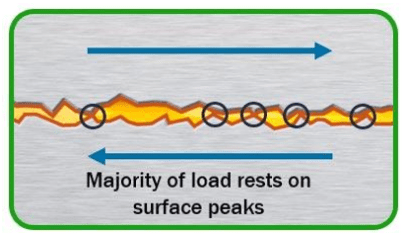
  • 1. The Dilemma in Manufacturing: Speed vs. Lifespan

    In metal stamping, production speed and die lifespan are often seen as conflicting goals.
    Increasing speed raises heat, friction, and impact, which accelerates die wear.
    Reducing speed to protect the die, however, lowers productivity and weakens cost competitiveness.

    Thanks to advances in lubrication technology, this dilemma is becoming increasingly solvable.

    2. The Role of Stamping Oil: Beyond Simple Lubrication

    High-quality stamping oil does far more than simply reduce friction.

    • Friction reduction → Protects die surfaces and minimizes wear
    • Cooling effect → Controls temperature rise during high-speed stamping
    • Chip and debris removal → Prevents surface defects
    • Uniform coating film → Improves product surface quality

    In other words, lubrication is the key solution that allows for higher speed while preserving die life.

    3. Features of the Latest Lubrication Solutions

    Recently developed stamping oils offer the following technical features:

    • Viscosity designed for high-speed operation
      → Maintains a stable lubrication film even under high-speed conditions, maximizing protection
    • High-temperature additives
      → Delivers stable performance even at instantaneous temperatures above 200 °C
    • Eco-friendly, water-soluble types
      → Improves workplace environment and reduces cleaning costs
    • Die material-specific optimization
      → Customized lubrication for SKD11, tungsten carbide, high-speed steel (HSS), and more
    4. Proven Application Results

    In the case of an electronics components manufacturer that applied a latest-generation lubrication solution to its high-speed stamping line:

    • 20% increase in punching speed
    • Up to 1.5× longer die lifespan
    • 30% reduction in defect rate

    All achieved without any equipment modifications—simply by changing the lubricant.

    5. Conclusion

    In today’s competitive high-speed production environment,
    lubrication technology is the most cost-effective solution for achieving both speed and longevity.

    It’s time to choose lubrication as a process optimization solution.

    We offer high-performance stamping oils optimized for your manufacturing environments, along with customized technical support.
    Experience the ideal lubrication solution for your process through our free sample tests and on-site consulting.

    Dyna Co., Ltd.
    Industrial Lubricant Solution

    E-Mail : dyna@dynachem.co.kr
    Web : dyna.co.kr/en/
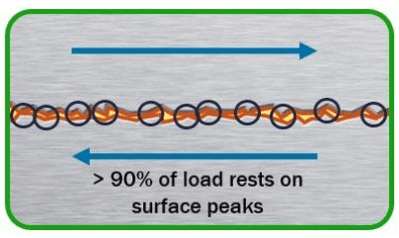
  • Why the Right Lubricant Makes All the Difference in Fin Quality, Productivity, and Process Stability

    In the highly competitive HVAC industry, manufacturers are under constant pressure to improve productivity, ensure product consistency, and reduce operating costs. When it comes to the fin stamping process — a critical step in heat exchanger production — one factor is often underestimated: the selection of stamping oil.

    Fin stamping lubricants may seem like a small detail in the overall production line, but their impact is significant. From heat dissipation and surface finish to post-processing compatibility, choosing the right oil can dramatically affect the efficiency and quality of your manufacturing process.
    Here’s what HVAC manufacturers should know before choosing a fin stamping oil.

    Cooling Performance: Managing Heat for Dimensional Stability

    During high-speed fin stamping, friction between the dies and the metal generates substantial heat. Excessive temperature can lead to:

    • Metal deformation or expansion
    • Reduced die life
    • Inconsistent product dimensions

    A high-quality fin stamping oil should provide excellent cooling capacity, dissipating heat quickly and preventing thermal distortion. This is especially important when working with thin aluminum or copper fins, which are prone to warping under thermal stress.

    Viscosity: The Right Flow for the Right Film

    Viscosity isn’t just a number on a datasheet — it’s one of the most important properties in stamping oil performance. Proper viscosity ensures:

    • Uniform lubricant film on the metal surface
    • Smooth material flow through dies
    • Reduced galling, scratching, or sticking

    For HVAC fin stamping, where precision is essential, the oil must be neither too thin (causing runoff) nor too thick (causing residue buildup). An optimized viscosity helps maintain consistent lubrication even at high speeds.

    Volatility and Smoke Reduction: A Cleaner, Safer Workplace

    In high-volume production, volatile oils can lead to:

    • Excessive smoke or fumes
    • High oil consumption
    • Frequent fluid replenishment

    Low-volatility oils improve operator safety, air quality, and cost-efficiency by minimizing evaporation during the stamping process. For HVAC facilities seeking to maintain a clean working environment and reduce downtime, this is a critical factor.

    Compatibility with Post-Processes: Brazing, Coating, and Cleaning

    After fin stamping, components often go through additional processes such as:

    • Brazing (high-temperature metal joining)
    • Coating or painting
    • Degreasing or washing

    If the stamping oil leaves residues that are difficult to remove, it can interfere with brazing joint strength or coating adhesion — ultimately leading to defects or rework. That’s why it’s crucial to choose a clean-burning or easy-to-clean oil that’s compatible with downstream operations.

    Long-Term Efficiency and Die Protection

    High-quality stamping oils are formulated not just for lubrication, but also for protecting tooling investment. They reduce:

    • Die wear and tear
    • Tool sticking and downtime
    • Sludge or buildup on critical surfaces

    By preventing premature die failure, you can extend maintenance intervals and reduce total cost of ownership.

    Conclusion: Lubricant Selection is a Strategic Decision

    In HVAC fin and case production, where millimeter-level accuracy, high-volume throughput, and post-process cleanliness are essential, stamping oil selection is not a secondary concern — it’s a key performance lever.

    Whether you’re launching a new production line or optimizing an existing one, consult with lubrication experts and test various formulations. The right oil can help you:

    • Improve product quality
    • Increase press speed
    • Reduce rejects
    • Lower maintenance costs
    • Ensure post-process compatibility

    Want help finding the optimal fin stamping oil for your HVAC application?
    Contact us for product recommendations, technical support, or on-site testing.

    Dyna Co., Ltd.
    Industrial Lubricant Solution

    E-Mail : dyna@dynachem.co.kr
    Web : dyna.co.kr/en/
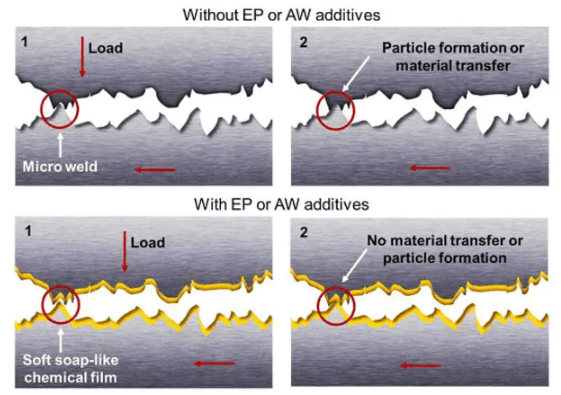
  • The heat exchanger is a key component in HVAC (Heating, Ventilation, and Air Conditioning) systems, directly affecting both the system’s efficiency and durability. The fins and cases of these heat exchangers are typically made from lightweight, corrosion-resistant aluminum, and are processed through high-precision stamping operations that demand exceptional quality. In this process, stamping oil plays a critical role by reducing friction and wear between the die and material, thereby ensuring product quality and process stability.

    1. Lubrication Effects and Process Stabilization of Stamping Oil

    1) Friction Reduction and Die Protection

    The stamping process forms metal sheets into desired shapes by applying high pressure between dies. During this process, direct contact between the die and material generates friction. Excessive friction can damage both the die and the material. Stamping oil forms a thin, durable lubricating film between them, drastically reducing friction and preventing die wear or breakage. This not only extends die life but also significantly reduces maintenance costs.

    2) Prevention of Galling Defects

    Aluminum tends to adhere to die surfaces, often causing galling defects—a condition where the material sticks to the die during stamping. Properly formulated stamping oil minimizes adhesion between the die and the material, reducing defect rates and preventing surface damage to the product. This also enhances the efficiency of subsequent processing steps.

    3) Heat Dissipation and Process Stability

    The stamping process generates substantial heat due to its high-speed, high-pressure nature. This heat can cause deformation of the die and material and degrade lubricating oils, posing a threat to process stability. High-performance stamping oils with excellent heat resistance absorb and dissipate heat effectively, keeping the temperature stable during operation and ensuring consistent lubrication performance.

    4) Ease of Post-Cleaning

    Excessive oil residue on the product surface can lead to contamination and require additional cleaning, causing bottlenecks in the production line. Low-residue stamping oils greatly reduce cleaning time and cost, ensure cleaner surfaces, and contribute to higher quality in downstream processes.

    2. Key Considerations When Selecting Stamping Oil

    • High Lubricity and EP (Extreme Pressure) Additives
      Due to the thin and intricate design of heat exchanger components, high-performance lubricants are essential. Stamping oils containing EP additives maintain a stable lubricating film under extreme pressure, minimizing wear.
    • Thermal Resistance and Stability
      As stamping processes become faster, exposure to high temperatures increases. Heat-resistant stamping oils resist thermal decomposition and oxidation, maintaining lubrication performance over time.
    • Eco-Friendliness and Safety
      Water-soluble stamping oils that are safe for workers and the environment are increasingly becoming the industry standard. Choosing oils that comply with environmental regulations (e.g., REACH, RoHS) helps protect worker health and supports sustainable corporate practices.
    • Cleanability
      Oils with low residue content make the cleaning process easier and reduce the use of water and chemicals, thereby lowering the environmental footprint.

    3. Latest Technological Trends and Innovations in Stamping Oil

    In the heat exchanger manufacturing field, stamping process speed, automation, and eco-friendly lubricants are advancing rapidly. Recent innovations in stamping oils include:

    • High-Performance Lubricants with Nano Additives
      Nano-particle additives significantly enhance friction reduction and die protection, extending die life far beyond conventional lubricants.
    • Biodegradable and Non-Toxic Water-Soluble Oils
      These environmentally safe and worker-friendly lubricants provide high performance while improving workplace safety.
    • Custom Lubricant Solutions
      Tailored stamping oils and technical support customized to each client’s process and die characteristics enable optimal production efficiency.

    4. Practical Application Tips and Maintenance Guidelines

    • Regular Lubricant Condition Checks
      Contaminated or degraded stamping oil can cause defects in the process. Regular inspections and timely replacement are crucial.
    • Keep Die Surfaces Clean
      Ensure die surfaces are free from foreign substances and residues. Die maintenance is just as important as lubricant selection for quality assurance.
    • Maintain Proper Oil Application Levels
      Lubricant volume should be neither excessive nor insufficient. Automated lubrication systems should be adjusted for precise delivery.

    5. Conclusion

    In the stamping process for HVAC heat exchanger fins and cases, stamping oil is more than just a lubricant—it is a key factor that determines process efficiency, product quality, die lifespan, and workplace safety. The right choice of stamping oil, along with systematic management, can reduce defect rates, cut die replacement costs, and promote both safe and environmentally friendly operations.

    6. Consultation and Free Sample Test Request

    We offer high-performance stamping oils optimized for heat exchanger manufacturing environments, along with customized technical support.
    Experience the ideal lubrication solution for your process through our free sample tests and on-site consulting.

    Dyna Co., Ltd.
    Industrial Lubricant Solution

    E-Mail : dyna@dynachem.co.kr
    Web : dyna.co.kr/en/