
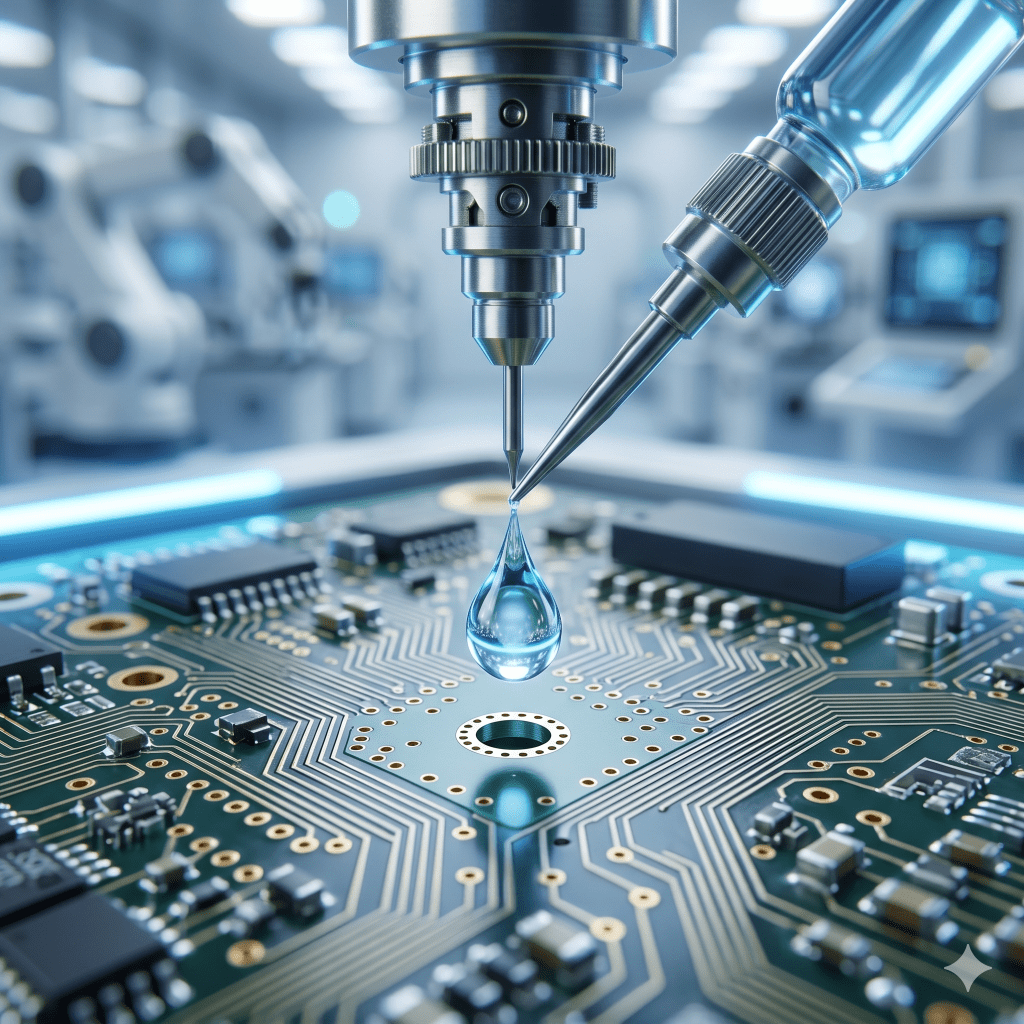
Today’s trend in the electronic component industry is clear:
“Thinner (ultra-thin sheets), Faster (high-speed pressing), and More Precise (ultra-precision machining).” In extreme processing environments that battle thicknesses under 0.1mm and stamp thousands of times per minute, the role of stamping oil, often used without second thought, has become incomparably more important than in the past.
In particular, next-generation precision stamping oils applied to high-end processes go beyond simple friction reduction; they have a critical impact on increasing tool life, controlling micro-burrs, and ensuring the integrity of post-processing (cleaning/plating).
In other words, a failure in selecting the right stamping oil is not just a matter of changing oil; it means reduced efficiency across the entire production line and the incurrence of massive costs.
In actual industrial fields, choosing a lubricant that does not match the process conditions leads to headaches caused by the following critical issues:
- Deterioration of micro-burr and sheared surface quality: Leads to defects in post-processing and poor product assemblability.
- Poor cleaning processes and rising costs: Incomplete cleaning due to oil residue and shortened cleaning agent replacement cycles.
- Surge in tool wear and seizure: Occurrence of downtime due to frequent tool maintenance.
- Plating/Bonding defects: Occurrence of plating peeling, welding, or bonding failures due to surface residue.
- Decline in overall productivity and yield: Inability to perform high-speed machining and increased defect rates.
Therefore, to successfully introduce next-generation precision stamping oil into your ultra-precision process, we have summarized six key factors that must be reviewed from a field engineer’s perspective.
1. Physical Properties and Chemical Reactions of the Workpiece Material
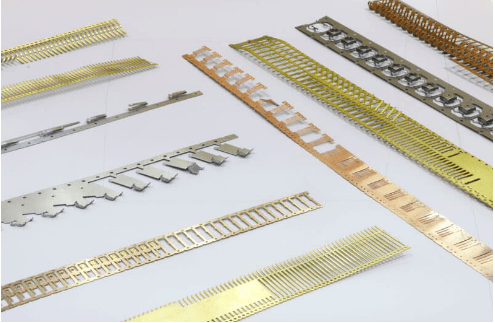
The first, and most in-depth thing to verify is the workpiece material. Materials used in the stamping process of electronic components each have different “lubrication requirements.”
- Cu (Copper and Copper Alloys): Possesses good conductivity but is very sensitive to surface oxidation and discoloration. Inactive-type extreme pressure (EP) agents must be used to maintain the best surface condition until plating.
- Al (Aluminum Alloys): Being soft and viscous, galling (adhesion to the tool surface) occurs easily. Excellent anti-galling performance and clean residue characteristics are important.
- Nickel Alloys/Special Materials: Customized lubrication design tailored to the unique characteristics of each material is essential.
- SUS (Stainless Steel): Due to high hardness and severe work hardening, extreme frictional heat and pressure are applied to the tool edge, making powerful extreme-pressure lubrication performance essential.
2. Stamping Speed (SPM – Strokes Per Minute)
SPM, which is directly linked to productivity, is a very important factor determining the direction of stamping oil selection. Modern electronic component production lines are moving toward extreme high-speed processes.
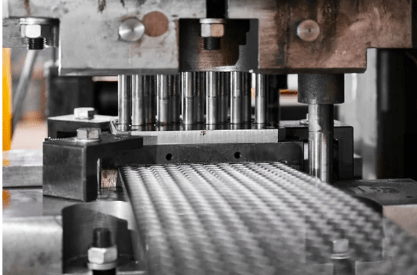
- High-Speed Processes (Over 1,000 SPM): The instantaneous localized temperature between the tool and the material rises to several hundred degrees. If this heat is not cooled immediately, the oil’s viscosity drops sharply, leading to rupture of the oil film.
- Resulting Problems: Lubrication imbalance → Deterioration in stamping quality → Tool seizure.
Therefore, to address high-speed processes, you must verify if the product possesses excellent thermal stability and cooling performance.
3. Material Thickness and Sheared Zone Characteristics
Following the trend of making electronic components lighter, thinner, shorter, and smaller, material thickness has become thinner than imagined (0.3mm or less, with some processes at 0.1mm or less).
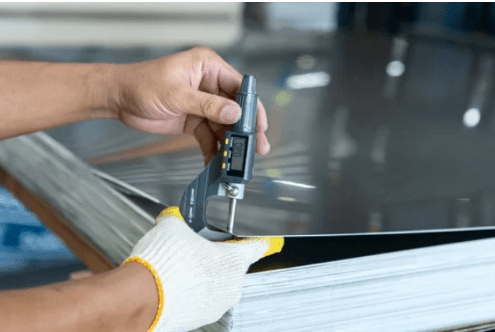
- Characteristics of Ultra-Thin Sheet Processing: Because the processing zone is extremely narrow, the “boundary lubrication” regime becomes dominant. This is the condition where the lubrication film is easiest to tear.
- Resulting Problems: Micro-galling, surface scratches, sharp increase in tool wear.
You must verify if high-performance extreme pressure agent and fatty oil compounding technologies, which prevent direct metal-to-metal contact between the material and the tool even at thin thicknesses, have been applied.
4. Residual Characteristics and Ultra-Low Residue Design
In semiconductor, mobile, and IT component processes, lubricant residue is an “enemy” of quality. High levels of residue after processing cause critical problems in subsequent processes.
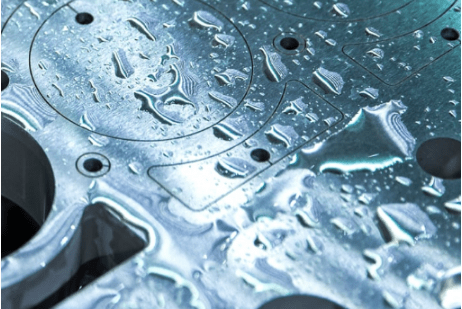
- Critical Problems: Increased cleaning time and cost, circuit defects due to ionic contamination, poor plating/bonding adhesion.
Particularly for components requiring plating or welding in post-processing, you must select a product applied with ultra-low residue design, where the oil evaporates on its own after processing, leaving no residue or only a very minute amount of carbonized residue.
5. Tool Protection and Maintenance Cycles
In the stamping process, the tool (die) is the most expensive asset. The fundamental purpose of stamping oil is to protect this tool to maximize its life.
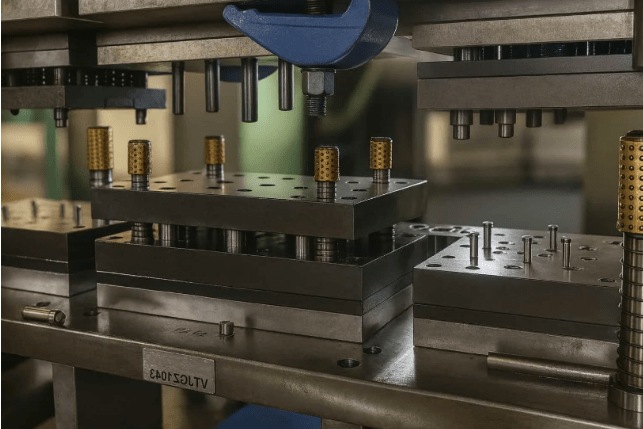
- Insufficient Lubrication Performance: Leads to micro-cracks, chipping, and abnormal wear.
- Application of Optimal Lubrication Technology: Drastically increases tool life, extends maintenance cycles, and stabilizes dimensional precision.
From a cost perspective, the cost-saving effect of extending tool life is far greater than the price of the oil. Request wear test data that can prove tool protection performance.
6. Securing Process Stability
Finally, stamping oil affects the stability of the entire process.
- Factors Influenced: Consistency of product dimensional precision, capability to increase SPM, delay in initial burr occurrence point, reduction in defect rates over time.
You must review this from the perspective of total process optimization—not just “it stamps well,” but whether quality remains constant and unchanged even during long-term operation.
Conclusion: Strategic Selection Creates a “Super-Gap” in Competitiveness.
Next-generation precision stamping oil is no longer a mere processing aid material. It is a key process element that determines your manufacturing competitiveness in the extreme manufacturing environments of ultra-thin, ultra-high-speed, and ultra-precision processing.
Before introduction, you must closely analyze your process characteristics and review the six factors above. Only through this process can you simultaneously catch the three rabbits of improved tool life, quality stability, and productivity improvement, thereby achieving a “super-gap” in yield.
** Are you currently looking for a next-generation precision stamping oil solution for ultra-precision electronic components?**
To propose the most accurate solution, please provide us with your site information. Experts from Dyna Solution will precisely diagnose your process.
- Workpiece Material:
- Material Thickness:
- Stamping Speed (SPM):
- Current Processing Troubles (e.g., burr occurrence, tool wear, poor cleaning, etc.):
Please contact us at the details below, and we will propose a customized precision stamping oil solution just for your company.
Dyna Solution Co., Ltd.
Industrial Lubricant Solution
E-Mail : dyna@dynachem.co.kr
Web : dyna.co.kr/en/


답글 남기기