
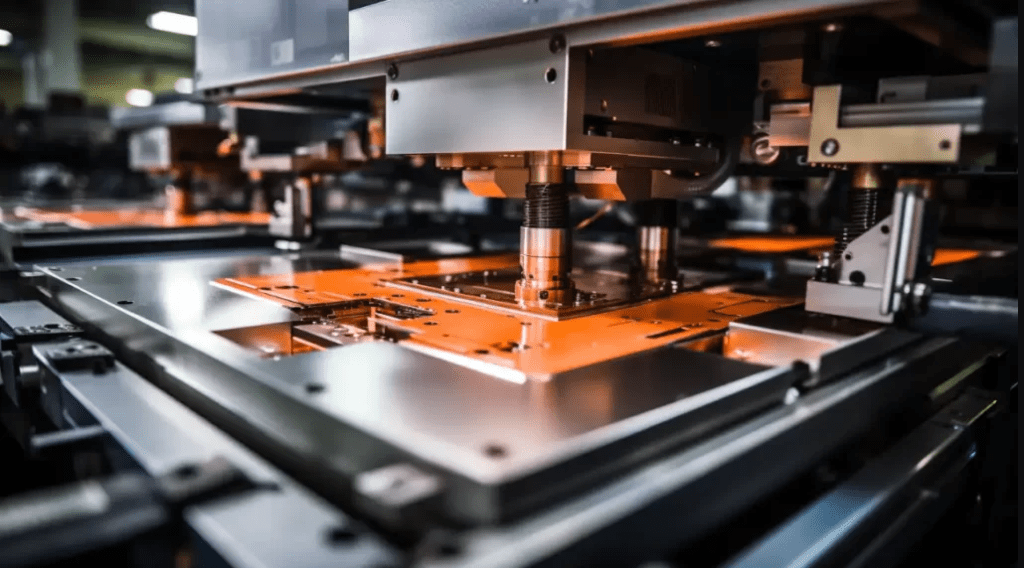
What is the first step to reducing defect rates and extending die life in ultra-precision press machining? The most basic, yet frequently overlooked fact is that “every metal has its own unique physical and chemical properties.”
Attempting to process aluminum, copper, and stainless steel all with a single, general-purpose stamping oil inevitably leads to fatal consequences: micro-burrs, premature die wear, or surface discoloration. Today, we analyze the root causes of machining issues by major metal materials and present the optimal curation standards for precision punching oil.
1. Aluminum: Control ‘Galling’ and ‘Stains’
Widely used for smartphone casings and EV battery components due to its lightweight and excellent heat dissipation, aluminum presents unique challenges during machining.
- Physical Vulnerabilities: Because the material is soft and sticky, galling—where metal chips adhere to the die surface due to the heat and pressure of punching—is severe. It is also chemically sensitive; left-behind oil residue can easily cause stains or white rust (blushing).
- Customized Curation: Aluminum machining requires special lubricants that minimize friction with the die to prevent galling. Most importantly, to avoid poor cleaning in post-processes, applying a high-quality, fast-drying (volatile) stamping oil that evaporates quickly without leaving residue immediately after machining is crucial.
2. Copper & Copper Alloys: Maintain Absolute Cleanliness Without ‘Oxidation Discoloration’
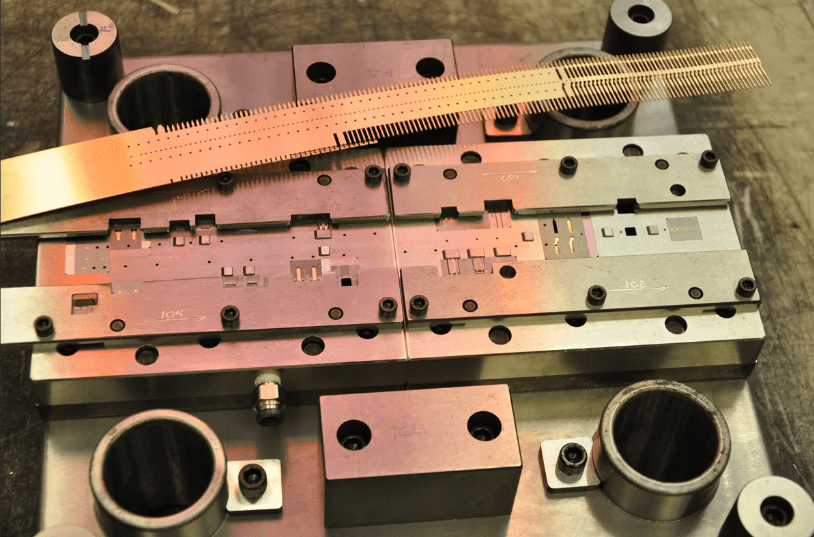
Copper and its alloys offer exceptional conductivity and are primarily used in ultra-small connectors for electronic components, lead frames, and high-voltage busbars for EVs.
- Physical Vulnerabilities: While highly conductive, they are extremely sensitive to heat. The friction heat generated during machining alone can easily oxidize the surface, turning it red or black. Additionally, using inappropriate lubricants containing sulfur will trigger corrosive reactions, leading to fatal electrical defects in the components.
- Customized Curation: Superior cooling performance is required to instantly control friction heat. Furthermore, you must select a stamping oil containing inactive extreme pressure (EP) additives and special antioxidants that do not react with copper alloys. This protects the material, maintaining optimal surface conditions and electrical conductivity until plating or post-processing.
3. Stainless Steel (SUS): ‘Extreme Pressure (EP)’ is the Lifeline for High-Hardness Materials
Essential for shield cans, medical devices, and precision machinery parts due to its excellent corrosion resistance and strength, stainless steel (SUS) is one of the materials that plagues press dies the most.
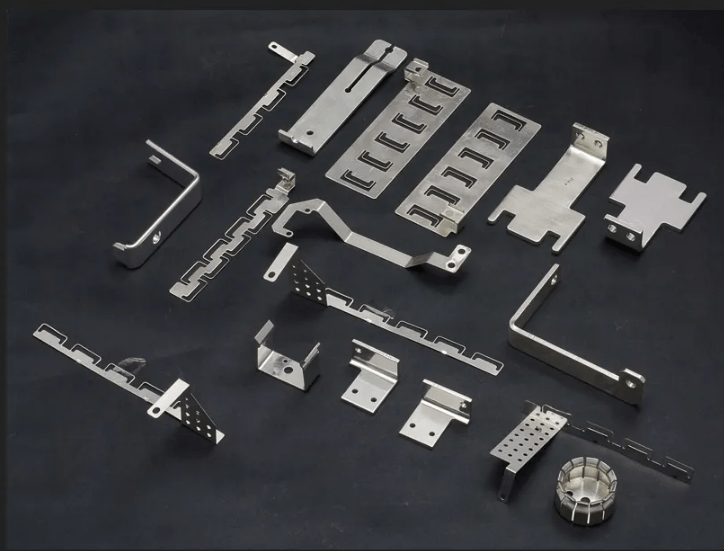
- Physical Vulnerabilities: Due to its extremely high hardness and severe work hardening (becoming harder as it is processed), tremendous impact and friction heat are applied to the cutting edge of the die at the moment of punching. This frequently results in defects such as rapid die wear and rough cut surfaces.
- Customized Curation: Forming a robust Extreme Pressure (EP) Film that never breaks, even under high-temperature and high-pressure punching, is essential. You must use a punching oil formulated with an optimal ratio of high-performance EP additives to block direct friction between the die and the material. Only then can you fully preserve the lifespan of precision dies, which often cost tens of thousands of dollars.
Conclusion: Precision Punching Oil is Now a ‘Strategic Essential’
In the past, stamping oil in the press process was often perceived merely as a ‘lubricating aid’ to keep machines running, or a ‘consumable’ targeted for cost reduction. However, in the high-end electronic component and secondary battery manufacturing industries—where not even a 0.1mm margin of error is tolerated—this approach is highly dangerous.
Relying on general-purpose stamping oils that fail to overcome material limitations accumulates invisible micro-die wear. This ultimately leads to product defects such as burrs, dimensional errors, and poor cleaning, generating immense ‘hidden costs’ in the form of massive yield degradation and lot disposal expenses.
Now, industrial sites must adopt professional precision punching oils tailored perfectly to specialized materials. Choosing a dedicated punching oil is no longer a simple consumable purchase; it is the ‘most strategic investment’ that defends a company’s quality competitiveness and innovatively reduces overall manufacturing costs.
If you are struggling to improve your yield due to the machining limits of different materials, we encourage you to find your company’s optimized matching point through Dyna Solution’s accumulated data and next-generation precision stamping oil solutions.
Dyna Solution Co., Ltd.
Industrial Lubricant Solution
E-Mail : dyna@dynachem.co.kr
Web : dyna.co.kr/en/


답글 남기기