
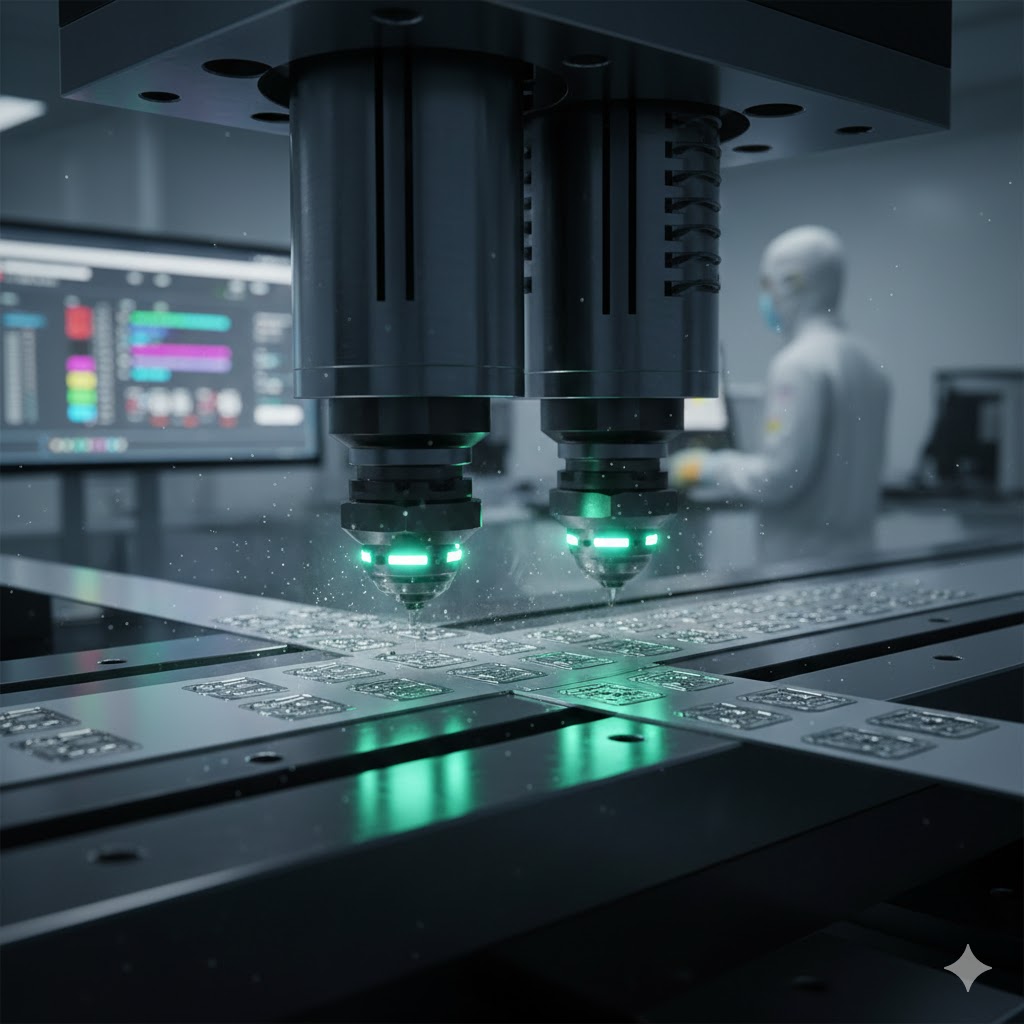
As smartphones, secondary batteries, and semiconductor components continue to become smaller and thinner, the challenges faced on press processing floors are also intensifying. In extreme environments where ultra-thin materials—less than 0.1 mm thick—are stamped more than 1,000 times per minute, conventional punching oils can no longer withstand the demands.
In the era of technological super-gap competition, the need for next-generation precision punching oils used in high-precision electronic components is rapidly increasing.
Today, we will explore the key technical challenges in electronic component processing and the “next-generation precision punching oil” designed to solve them.
1. Three Major Technical Challenges in Electronic Component Processing
As ultra-thin materials and high-speed press operations become standard, conventional punching oils face the following limitations:
① Boundary Lubrication Issues with Ultra-Thin Materials
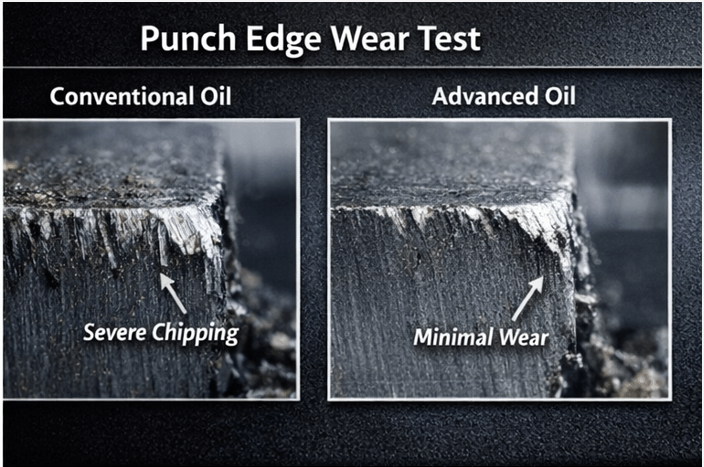
Ultra-thin materials with thicknesses ranging from 0.05 to 0.3 mm have extremely shallow deformation zones. In such cases, the oil film thickness can become thinner than the surface roughness of the material, leading to direct contact between the die and the workpiece.
Result: Adhesive wear and micro welding occur → Conventional viscosity design is insufficient to protect the die.
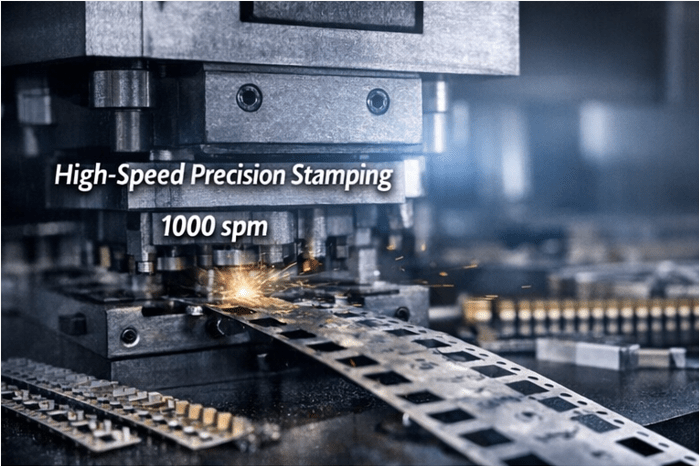
② Thermal–Viscosity Instability in High-Speed Pressing (Over 1,000 spm)
In high-speed operations exceeding 1,000 strokes per minute, instantaneous contact temperatures rise sharply.
Result: Rapid viscosity drop and accelerated oxidation → Lubrication imbalance → Increased micro burr formation and die wear.
③ Critical Residue Formation Mechanism
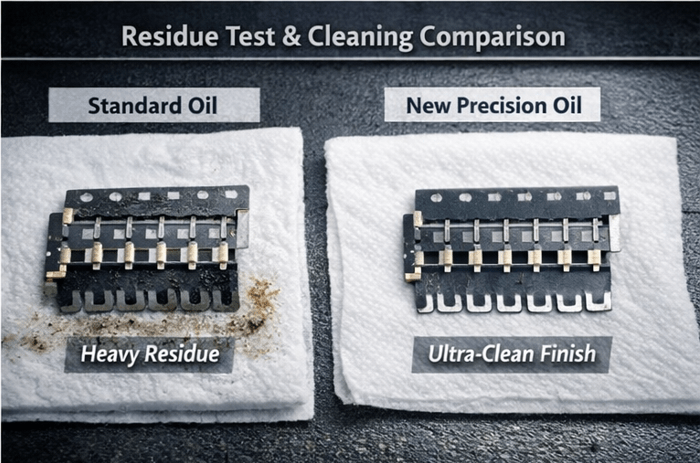
In electronic components, residue is not merely a cosmetic issue. High-temperature oxidation by-products or thermally decomposed additives can leave harmful residues that are critical in downstream processes.
Result: Increased cleaning time, ionic contamination, plating defects, and bonding failures—ultimately leading to serious quality incidents.
2. Four Core Solutions of Next-Generation Precision Punching Oil
To overcome these challenges, next-generation punching oils incorporate advanced technologies such as:
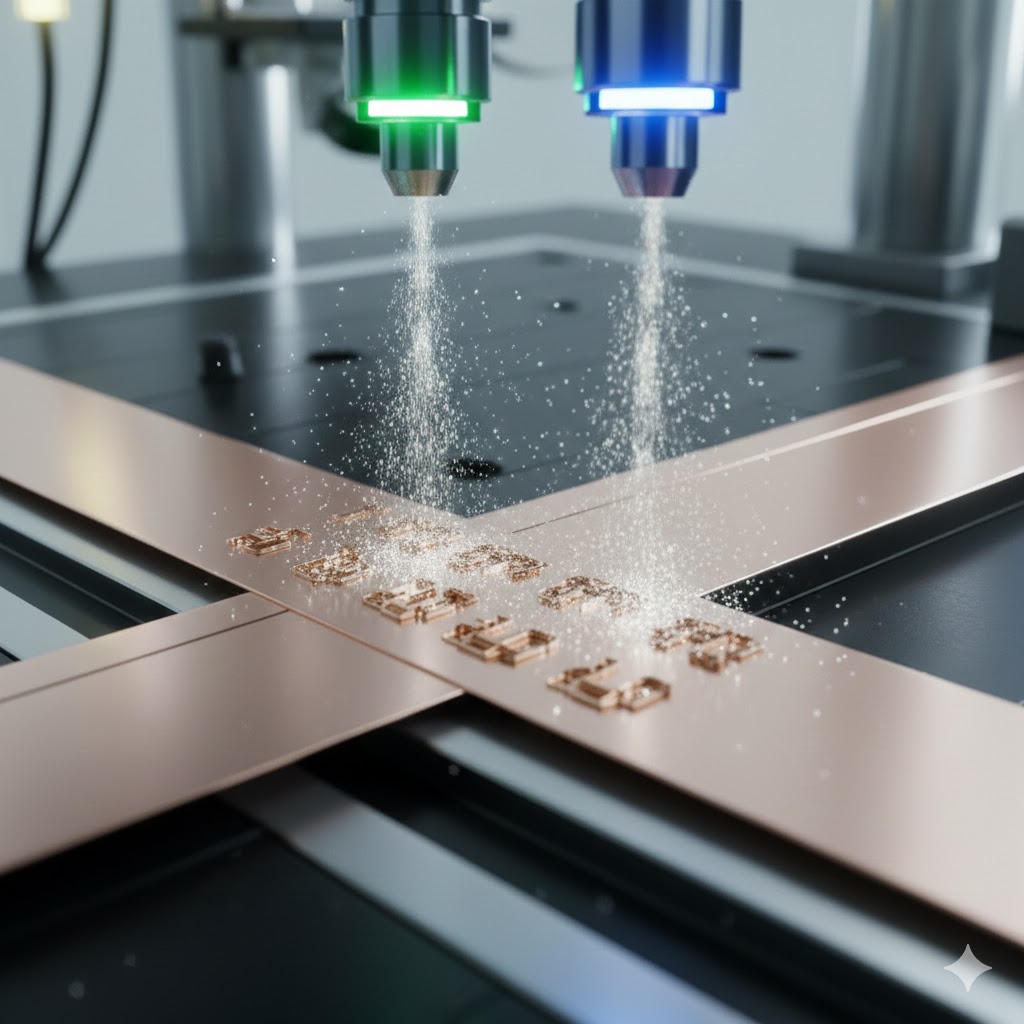
- Enhanced Extreme Pressure (EP) Performance:
Minimizes die wear and prevents micro-cracking even in boundary lubrication conditions. - Ultra-Low Residue Design:
Reduces post-evaporation residues to near-zero, shortening cleaning processes and fundamentally blocking contamination risks in electronic components. - Improved Thermal Stability:
Maintains viscosity stability even at elevated temperatures, ensuring consistent dimensional precision during high-speed operations. - Excellent Cleanability & Degreasing Performance:
Easily removable with IPA or hydrocarbon-based cleaners, significantly reducing overall process costs.
3. Differentiation from Conventional Products
Next-generation precision punching oil for electronic components demonstrates performance beyond the limitations of conventional products.
| Category | Conventional Punching Oil | Next-Generation Precision Punching Oil |
|---|---|---|
| Lubrication Performance | General lubrication level | Enhanced EP + Specialized wear/welding suppression |
| Residue Characteristics | Moderate (thermal decomposition residues present) | Ultra-low residue design (maximized cleanability) |
| Thermal Stability | Viscosity drops at elevated temperatures | Maintains high-temperature viscosity (improved dimensional precision) |
| Primary Application | General press processing | Ultra-precision & high-speed (1,000 spm↑) operations |
4. Key Application Fields
This technology is essential in advanced industries where quality stability directly determines competitiveness:
- Semiconductors: Ultra-precision lead frames
- IT Devices: Smartphone connector terminals, EMI shielding components
- Energy: Secondary battery cans and cap components
- Material Processing: Precision processing of ultra-thin SUS, Cu (copper), and Al (aluminum) alloys
Conclusion
As electronic components become smaller, the importance of foundational materials such as punching oil becomes even greater.
Are you currently searching for a next-generation precision punching oil?
If you share the material type and stamping speed (spm) of your production line, we will be pleased to recommend a next-generation punching oil lineup optimized for your specific process conditions.
Dyna Co., Ltd.
Industrial Lubricant Solution
E-Mail : dyna@dynachem.co.kr
Web : dyna.co.kr/en/

 DYNA SOLUTION Co., Ltd
댓글 남기기