
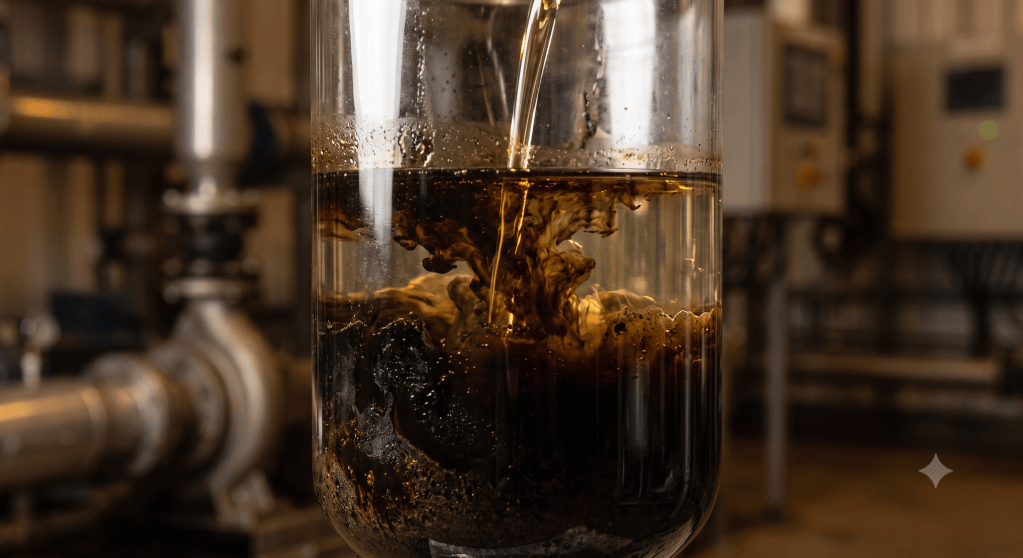
Every manager operating a thermal fluid boiler in an industrial setting faces this deep dilemma at least once: “The oil level has gotten a bit low. Should I just top it up with new oil, or should I do a full replacement this time?”
Replacing hundreds to thousands of liters of thermal fluid is a heavy burden in terms of cost and factory downtime. However, trying to save money often leads to astronomical repair budgets when equipment breaks down. So, when is the truly “economic” timing?
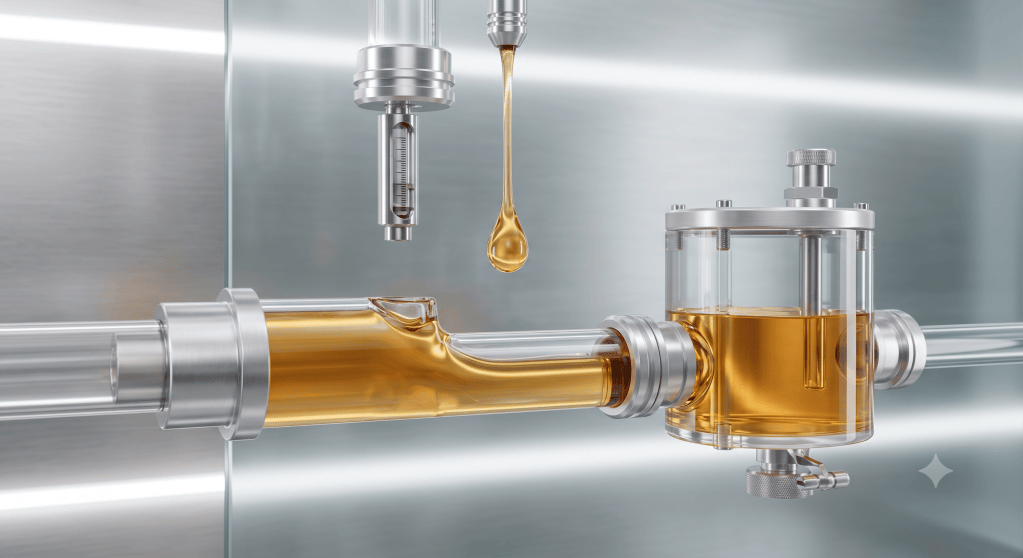
- When a Thermal Fluid “Top-Up” Is Sufficient In an operating system, it is natural for the oil level to drop due to minor leaks at pipe connections or natural evaporation through the expansion tank. In this case, assuming the condition of the existing oil is healthy, topping up only the deficient amount is the most economical choice.
Essential conditions to check before topping up:
- Condition of Remaining Oil: When regular sample test results show viscosity, flash point, and total acid number (TAN) are within normal ranges.
- Use of Identical Products: You must top up with the same brand and specification of oil as the existing one to prevent trouble caused by mixing oils. Mineral-based and synthetic-based oils must never be mixed.
- The Moment “Top-Up” Becomes Poison (Signals for Full Replacement) Thermal fluid inevitably undergoes thermal cracking and oxidation after being overworked at high temperatures for a long time. Topping up with new oil when the oil is already severely degraded is like “pouring clean water into rotting water.” Even the new oil will be instantly contaminated, wasting your money.
If you observe the following symptoms or analysis results, prepare for a full replacement without delay:
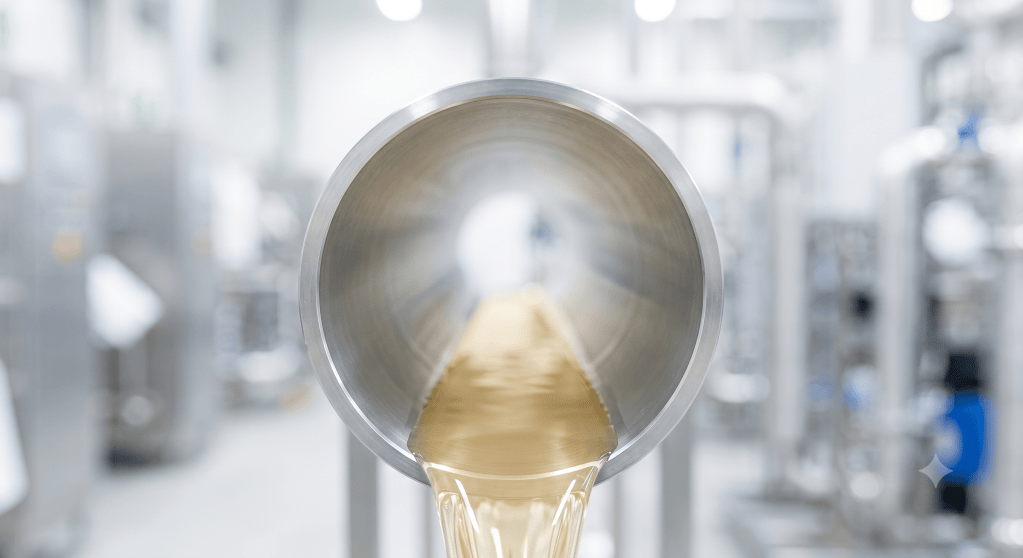
- Rapid Change in Kinematic Viscosity: If the viscosity has increased or decreased by 15% or more compared to fresh oil, the oil’s lifespan is over. Higher viscosity increases pump load and sharply drops thermal efficiency.
- Decrease in Flash Point: When light hydrocarbons (low boilers) are generated due to thermal cracking, the flash point of the oil drops significantly. This is a direct cause of fire and explosion accidents and is extremely dangerous.
- Increase in Total Acid Number (TAN): When oil oxidizes, acidic substances are generated, corroding the inside of the pipes. If it rises above the standard level compared to fresh oil, immediate replacement is necessary.
- Formation of Sludge/Carbon: If the oil color turns dark black and residue begins to accumulate inside the system, heat transfer fails and fuel costs skyrocket.
- When Is the Most “Economic” Timing? Starting with the conclusion, the most economic replacement timing is “just before equipment efficiency drops and fuel costs surge” and “before massive flushing (cleaning) work becomes necessary to remove carbon (sludge) adhered to the inside of the pipes.”
If you miss the timing and carbon bakes onto the pipes, the following massive hidden costs occur:
- Wasted Fuel Costs: Carbon acts as an insulator, requiring the boiler to run much harder to reach target temperatures.
- Incurred Incidental Costs: Instead of simply draining and filling oil, expensive flushing oil must be injected to clean the pipes, multiplying labor costs and time by two to three times.
- Shortened Equipment Lifespan: Causes fatal equipment failures such as circulation pump seal breakage and heater tube cracking due to overheating.
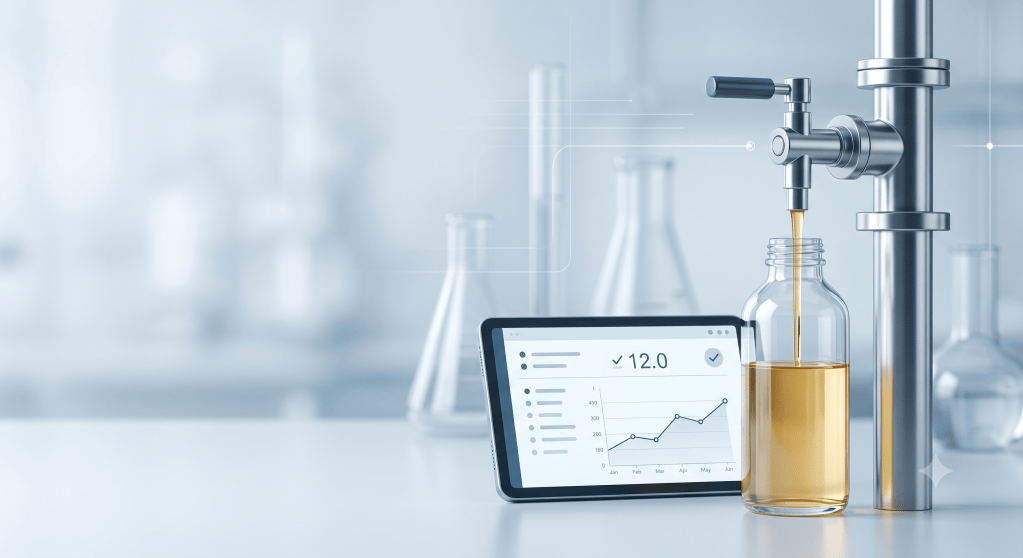
- Decide with Data, Not Intuition Judging whether to top up or replace based solely on guesswork or the color of the oil is extremely dangerous. The only foolproof way to catch the perfect timing is periodic oil analysis (sample test).
At least once a year (once every 6 months under severe conditions), draw operating thermal fluid and request analysis from a specialized institution or manufacturer. By tracking gradual physical property change data, you can accurately predict when the oil will reach its limit, plan your budget, and proceed with a full replacement at the most economical time.
Is the thermal fluid in your factory doing well right now? If you are only repeating top-ups out of fear of replacement costs, we recommend starting with an oil sample analysis right away.

Dyna Solution Co., Ltd.
Industrial Lubricant Solution
E-Mail : dyna@dynachem.co.kr
Web : dyna.co.kr/en/


답글 남기기