• Heat treatment has always been a critical process across industries to strengthen metal components. However, today’s industries—especially automotive—demand more than just durability. They seek miniaturization, lightweight materials, and higher strength to meet evolving performance and environmental standards.

    At the same time, environmental protection, CO₂ emissions reduction, and workplace safety are becoming essential considerations in manufacturing.

    Simply making parts stronger is no longer enough.
    We now need sustainable, safe, and highly efficient heat treatment solutions.
    That’s why Dyna proudly presents the next step forward: Water-Soluble Coolants and Polymers.

    Is Traditional Oil-Based Quenching Still the Best Option?

    For decades, oil-based quenching fluids have been the industry standard. They offer:

    • Uniform Cooling: Providing steady cooling rates for precise results.
    • Corrosion Protection: Creating a protective barrier against oxidation.
    • Thermal Stability: Performing reliably even at high temperatures.
    • Long-Term Consistency: Maintaining cooling performance over multiple uses.

    However, oil-based fluids also come with significant downsides:

    • Slower Cooling Speeds: Not ideal for rapid quenching applications.
    • Environmental Impact: Risk of contamination and costly disposal requirements.
    • Fire Hazard: Flammability issues, especially during high-temperature processes.
    • Workplace Cleanliness Issues: Oil residues require complex cleaning and can create messy work environments.

    In today’s world, where eco-friendliness and safety are top priorities, many companies are looking beyond oil—and turning to smarter alternatives.

    The Smart Alternative: Water-Soluble Coolants and Polymers

    Water-soluble polymers are redefining modern heat treatment. These coolants, made from water-soluble polymers mixed with water, offer a superior balance of performance, safety, and sustainability.

    Key Benefits of Water-Soluble Coolants:

    • Reduced Fire Risk: Being water-based, the fire hazard is dramatically lower than with oils.
    • Precise Cooling Control: Adjust polymer concentration to fine-tune cooling speeds, preventing cracks and distortions.
    • Eco-Friendly: Less environmental impact and easier waste management compared to oil-based fluids.
    • Corrosion Resistance: Special additives help protect metal surfaces from oxidation.
    • Cost-Effective: Lower maintenance, longer coolant life, and potential insurance savings.
    • Cleaner, Safer Work Environment: Minimal residue on treated parts and a much cleaner shop floor.

    How It Works

    Using water-soluble polymers is simple:
    Mix the polymer with water at a set ratio, adjusting the concentration based on the metal type and specific heat treatment process.
    This flexibility makes it ideal for quenching high-grade alloy steels and large components where controlling deformation and cracks is critical.

    Thanks to its precise cooling capabilities, water-soluble polymer technology can significantly improve product quality, process stability, and workplace safety.

    Experience Dyna’s Difference

    At Dyna, we bring decades of expertise and innovation to every product we deliver.
    Our water-soluble coolants and polymers offer unmatched quality and performance, backed by the deep technical knowledge that only experience can bring.

    Partner with Dyna and discover the future of heat treatment — a future that’s smarter, safer, and more sustainable.
    Your success is our mission.

    Dyna Co., Ltd.
    Industrial Lubricant Solution

    E-Mail : dyna@dynachem.co.kr
    Web : dyna.co.kr/en/
  • What is Heat Treatment Oil?

    Heat treatment oil is a specialized fluid used to control the cooling rate of steel heated to high temperatures. Its primary purpose is to prevent cracks and achieve a uniform micro structure during the heat treatment process.

    Heat treatment typically involves heating steel to temperatures close to or above 1,000°C. If rapidly cooled without proper control, the steel can develop cracks. By carefully managing the cooling process using heat treatment oil and optimal conditions, manufacturers can produce strong, crack-resistant steel components.

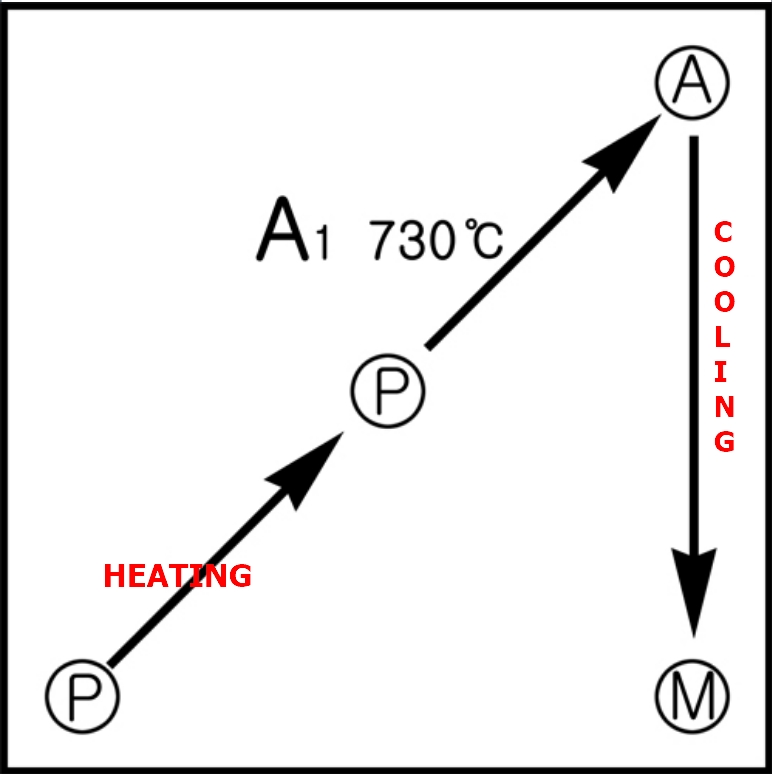
    Among various heat treatment oils, quenching oil is commonly used to rapidly cool austenitized steel to form a martensitic structure. In general, the term “heat treatment oil” encompasses all oils used in quenching, tempering, annealing, and other thermal processes. Simply put, heat treatment oil acts as a high-performance lubricant designed to harden and enhance the properties of steel components.

    Let’s take a closer look at the two main categories of heat treatment fluids—water-soluble coolants and non-water-soluble oils—and their distinct characteristics.


    Water-Soluble Heat Treatment Coolants

    Although often referred to as “water-soluble heat treatment oils,” the correct term is heat treatment coolant. These coolants pose a lower fire risk, are more environmentally friendly, and are easier to clean post-process. However, they must meet strict performance criteria:

    1. Proper Cooling Performance
      The coolant must deliver optimal cooling performance based on concentration and temperature settings.
    2. Ease of Cooling Performance Control
      It should be easy to monitor and adjust the cooling characteristics during use.
    3. Thermal Stability
      It must resist degradation and maintain consistent quality over time.
    4. Non-Putrefactive and Wastewater-Friendly
      The coolant should not decay or rot and must be easy to dispose of with minimal environmental impact.

    When these conditions are met, water-based coolants can often outperform oils in versatility and offer a broader range of steel grades compatibility.

    There are two types of water-based coolants:

    • Non-film-forming
    • Film-forming

    This distinction is based on whether a protective film is formed on the surface of the quenched part.

    Best Practices When Using Heat Treatment Coolants:

    • Uniform cooling must occur simultaneously across the entire part.
    • Temperature distribution should be consistent over time.
    • The cooling process should remain gradual, especially in lower temperature ranges.
    Oil-based heat treatment unit vs Water-soluble quenching coolant agitation tank

    Non-Water-Soluble Heat Treatment Oils (Quenching Oils)

    Often referred to as quenching oils, these fluids are more cost-effective and do not rot like water-based coolants. However, they come with increased fire risk, environmental concerns, and more complex post-treatment requirements.

    When selecting a heat treatment oil, it’s crucial to go beyond just the process requirements. Consider the following:

    1. Type of heat treatment (quenching, atmospheric, salt bath, induction, flame, etc.)
    2. Heating method (gas, electric, kerosene, diesel, etc.)
    3. Equipment style (batch, pit, continuous)
    4. Carburizing method (gas, liquid, solid)
    5. Material, size, and tempering temperature of the steel
    6. Tank capacity, agitation system, and cooling device specifications
    7. Currently used fluids and existing issues

    Heat treatment oils are classified according to KS (Korean Industrial Standards) and are commonly referred to by their intended use and treatment temperature: Cold, Semi-Hot, Hot, and Tempering Oils. Usage methods often remain proprietary to each company.


    Proper Oil Maintenance is Critical

    Once selected, proper management of the heat treatment oil is essential. Regular monitoring of properties like flash point, acid value, insolubles, residual carbon, and moisture content is crucial.

    Unlike general hydraulic, gear, or cutting oils, heat treatment oils require specialized handling. That’s why partnering with a reliable manufacturer is key—but not always easy.


    Why Dyna?

    We’ve been a trusted supplier of industrial lubricants for over 30 years. We hold patents for water-soluble heat treatment coolants and serve a wide range of major corporations and small-to-medium-sized businesses across Korea.

    If you’re considering switching your current heat treatment oil or coolant, feel free to reach out. We’ll analyze your needs and provide top-quality solutions at competitive prices.

    For any inquiries about industrial lubricants, contact Dyna, your reliable partner in lubrication technology.

    Dyna Co., Ltd.
    Industrial Lubricant Solution

    E-Mail : dyna@dynachem.co.kr
    Web : dyna.co.kr/en/

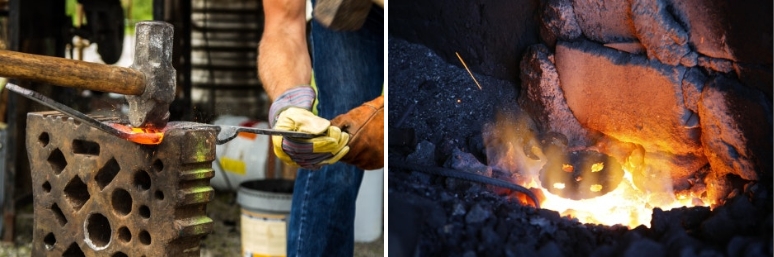
  • Forging Process – Where Quality and Efficiency Begin

    Forging is a high-heat, high-pressure metal forming process—and it comes with challenges: friction, heat buildup, and die wear.
    The smart solution to overcome these obstacles? Water-based forging lubricants.


    Why Choose Water-Based Forging Lubricants?

    Extend Die Life
    Our lubricants reduce friction between the die and metal, lowering mechanical stress and significantly cutting down maintenance costs.

    Improve Forging Quality
    Enhance surface finish, increase dimensional accuracy, and reduce defect rates — resulting in a stable and reliable production process.

    Enable Complex Shapes
    Even high-performance alloys like chrome, nickel, and titanium can be formed with precision thanks to the excellent lubricity of our products.

    Eco-Friendly & Safer Work Environment
    Water-based solutions ensure safety for workers and contribute to a greener, cleaner production environment.


    Product Types & Key Benefits

    🔹 Coating Lubricants
    Ideal for aerospace and precision applications, these coatings seal the metal surface and improve finish. Available via brushing, spraying, or electrostatic application.

    🔹 Graphite-Based Lubricants

    • Water-based Graphite: Prevents die overheating and provides cooling
    • Oil-based Graphite: Offers stronger lubricity and corrosion protection
    • Hybrid Types: Combines benefits of both graphite and non-graphite formulations for versatile forging processes

    🔹 Synthetic (Non-Graphite) Lubricants
    Designed for clean environments and superior lubricity

    • Transparent Lubricants: Forms a white release film — excellent for hot and warm forging
    • White Lubricants: Perfect for aluminum forging and compatible with standard spray systems

    Higher Concentration Doesn’t Always Mean Better Performance

    Some lubricants on the market increase concentration with additives, but this can lead to poor solubility, causing clumping and residue that damages the die and parts.
    The key is not high concentration — it’s compatibility with your process.
    Choosing the right lubricant with the help of an expert ensures optimal performance and cost efficiency.


    Why Partner with Us?

    🎯 Expertise You Can Trust
    As a manufacturer with deep R&D capabilities, we provide tailored solutions based on your specific forging needs.

    💬 Full Technical Support
    From process analysis to product recommendation, we offer end-to-end service beyond just supplying products.

    🌱 Sustainable & Smart
    Our water-based lubricants deliver high performance with an environmentally responsible approach.

    Dyna’s Water-Based Forging Lubricant

    Forging Performance Starts Here

    Get the lubricant that matches your process — for better performance, cleaner operations, and exceptional product quality.
    Consistent quality, cleaner production, and lower costs — all within reach.

    📞 Contact us today for technical consultation or to request samples.

    Dyna Co., Ltd.
    Industrial Lubricant Solution

    E-Mail : dyna@dynachem.co.kr
    Web : dyna.co.kr/en/
  • During manufacturing processes, when using water-soluble cutting fluids, there are times when the tank suddenly becomes covered with foam, or something just feels off. While it’s easy to dismiss it as “just a pump pressure issue,” the real causes are often far more complex—ranging from the cutting fluid’s composition to environmental factors and even subtle signs of microbial degradation. Many of you may wonder how to deal with such issues and what solutions are available. The good news is, with a bit of attention, they can often be resolved effectively.

    In this post, we’ll explore the reasons behind foaming and how to manage it.

    DynaSolution EM W 101P Product (Left: Undiluted, Right: Diluted with Water)

    💧 What Is the Key Ingredient in Cutting Fluids That Causes Foam?

    Water-soluble cutting fluids are composed of various chemical components such as surfactants, lubricants (esters, mineral oils, etc.), rust inhibitors, defoamers, preservatives, and antimicrobials.

    Among these, surfactants are most directly linked to foam generation. Normally, oil and water do not mix. However, surfactants enable stable emulsification between the two. The downside? Just like soap, they can also cause foaming.

    🫧 Why Does Foam Occur? – Common Causes

    Here are some frequently observed causes of foaming on-site:

    • Excessive concentration: Not following the correct dilution ratio increases surfactant concentration.
    • High pump pressure: Air becomes mixed in due to mechanical agitation in high-pressure coolant systems.
    • Low fluid level: Inadequate fluid in the tank causes air to mix in, leading to foaming.
    • Degraded cutting fluid: Over time, defoaming agents break down, reducing anti-foam effectiveness.
    • High-foaming fluid type: Using a cutting fluid unsuitable for the machine or process can lead to excessive foam.

    While foam may initially seem like a cosmetic issue, if left unaddressed, it can result in serious problems such as tank overflow, poor cooling, increased tool and workpiece wear, and machining defects.

    🦠 Is Foam Related to Bacterial Degradation?

    Excessive foam isn’t always directly caused by microbial degradation, but the two are often interrelated. Once fluid begins to degrade, conditions that promote foaming frequently follow:

    • Surfactants are broken down by microbes → Emulsion destabilizes, and foaming increases.
    • Protein-based byproducts from microbial activity → Higher viscosity, greater foam formation.
    • Destruction of defoamers → Loss of foam control.

    So while foam alone isn’t proof of degradation, it could be a red flag indicating that bacterial activity is already occurring inside the cutting fluid.

    🔧 Real-World Cases from the Field

    At DynaSolution, we’ve consulted with clients experiencing coolant-related issues. Most of them reported, “The machine seems fine, but foam keeps overflowing from the coolant tank.” Here’s what we found during on-site inspections:

    • Cutting fluid had aged and lost its defoaming properties.
    • Fluid used was incompatible with high-pressure coolant systems.
    • Poor concentration control led to excessive surfactant content.
    • Fluid levels were low, causing air to mix in.

    We recommended several countermeasures depending on the situation:

    Adjusting fluid concentration: In some cases, simply correcting the dilution ratio significantly reduced foaming.
    Checking equipment design and flow conditions: Foam was reduced by adjusting discharge direction or pump pressure, especially when the fluid was free-falling or under excessive pressure.
    Testing different cutting fluids: For high-speed operations, switching to a low-viscosity, low-foam cutting fluid after testing compatibility proved effective.
    Adding defoamers and maintaining filters: As a short-term fix, additional defoamer was added, and clogged filters were replaced to stabilize return lines.

    The most important thing was not just to eliminate the foam, but to identify the root cause. Some issues were resolved without replacing the cutting fluid, while others required a full fluid change.

    In the worst-case, the only option is to clean the tank and replace the entire fluid.

    Addressing Foam in Cutting Fluids Requires a Holistic Approach

    Foam in water-soluble cutting fluids isn’t just about pump pressure or old fluids. It’s the result of a complex mix of variables: fluid properties, maintenance, dilution ratios, system structure, and operator habits. Repeated foaming or frequent tank overflow may even signal degradation or microbial activity.

    Checklist when foam appears:

    • Is the dilution ratio correct?
    • How long has the fluid been in use?
    • Is the pump pressure/flow rate appropriate?
    • Are there contaminants or sludge in the tank/filter?
    • What are the temperature, humidity, and cleanliness levels on-site?

    The key is to check regularly and take the issue seriously. Cutting fluid is not just a consumable—it’s a vital indicator of your equipment’s condition.

    At DynaSolution, our engineers actively visit production sites to inspect and test water-soluble cutting fluids. We’re dedicated to supporting clean facilities and smooth machining performance. If you’re experiencing foam issues or suspect something’s wrong with your cutting fluid, don’t hesitate to reach out to us.

    Dyna Co., Ltd.
    Industrial Lubricant Solution

    E-Mail : dyna@dynachem.co.kr
    Web : dyna.co.kr/en/