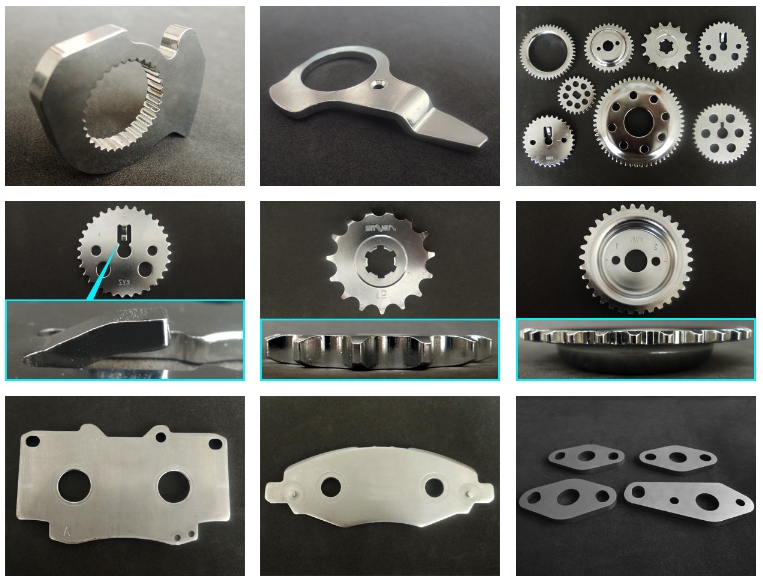
In any metal cutting, stamping, or punching process, the die is one of the most valuable assets. Yet many manufacturers constantly struggle with shortened die life, frequent wear, and unexpected damage. Surprisingly, something as simple as using the right Punching Oil can dramatically extend the life of your die. Today, let’s take a closer look at how Punching oil impacts die performance—and what to consider when choosing the right one for your operation.
Why Punching Oil Is Essential for Die Longevity
Punching oil is not just a lubricant—it’s practically the lifeline of your die. Here’s why:
1. Protective Film to Reduce Friction and Wear Punching processes involve high pressure and intense friction between the die and the material. Punching oil acts as a lubricant, minimizing wear and friction. In many cases, using the right oil can extend die life by 1.5 times or more.
2. Cooling Effect to Control Heat Buildup High-speed punching generates significant heat. If not managed, this heat can lead to thermal deformation or reduced hardness of the die. Punching oil helps absorb and dissipate heat quickly, keeping die temperatures under control.
3. Better Product Quality? Absolutely. Proper lubrication reduces burr formation and results in cleaner shear surfaces. This lowers uneven loads on the die and distributes impact forces more evenly, significantly reducing the risk of die breakage.
4. Clean, Residue-Free Processing Modern operations are increasingly looking for low-residue, easy-to-clean punching oils. Using such oil prevents sludge buildup or debris accumulation, which can otherwise clog the die or reduce dimensional accuracy.
How to Choose the Right Punching Oil
Factor
What to Consider
Material Type
Choose oils optimized for specific materials like aluminum or stainless steel.
Punching Speed
For high-speed operations, opt for oils with excellent cooling and fluidity.
Environmental Standards
Look for eco-friendly oils—e.g., chlorine-free, sulfur-free, easy to wash, with anti-rust properties.
Target Die Life
For heavy-load conditions, consider high-viscosity and high-pressure lubrication types.
Final Thoughts: The Easiest Way to Reduce Die Costs
Manufacturing a single die can cost anywhere from thousands to tens of thousands of dollars. If choosing the right punching oil is all it takes to extend its life—why not take a closer look at the oil you’re currently using?
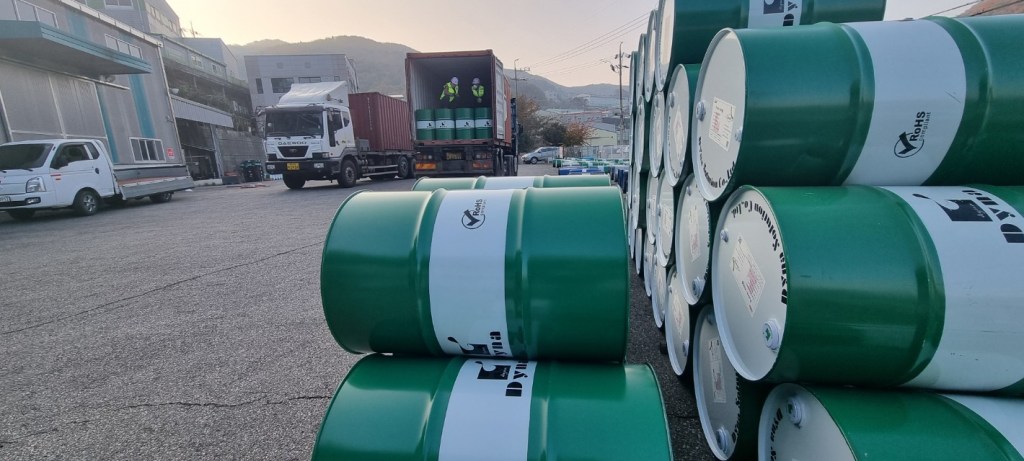
Need help choosing the right punching oil or want to test a sample? We Dyna offer free consultations tailored to your production conditions. Reach out anytime—we’re ready to help you find the optimal solution, fast.
Aluminum is a lightweight yet durable material widely used across numerous industries. Thin aluminum sheets, in particular, play a vital role in sectors such as automotive, aerospace, and electronics. However, aluminum Stamping—especially of thin sheets—often presents several processing challenges. These issues can significantly impact both product quality and manufacturing efficiency, making it essential to adopt appropriate solutions.
Let’s examine the common problems encountered during aluminum Stamping and how Stamping oil effectively addresses them.
1. Surface Damage (Scratches and Irregular Finish)
One of the most frequent issues in aluminum Stamping is surface damage. During the process, contact between the aluminum sheet and Stamping tools can cause scratches or create an uneven surface. This not only detracts from the product’s appearance but may also require additional post-processing.
How Stamping oil helps:
Stamping oil serves as a lubricant that reduces friction between the aluminum surface and the tool. Its lubricating properties minimize scratching and irregularities by enabling smoother material flow. When the oil’s viscosity and lubricity are properly optimized, it also helps manage frictional heat, thereby preserving surface quality throughout the process.
2. Inconsistent Thickness
In Stamping thin aluminum sheets, variations in material thickness can occur due to uneven pressure distribution or irregular material flow. This inconsistency can reduce product quality and lead to problems in subsequent processing steps.
How Stamping oil helps:
High-performance Stamping oil promotes uniform material flow during the process. By maintaining consistent friction levels between the sheet and the tool, the oil helps distribute pressure more evenly, thereby reducing thickness variations and ensuring better dimensional control.
3. Thermal Deformation and Excessive Heat Generation
Friction during Stamping generates heat, and excessive temperatures can soften aluminum, making it prone to deformation. Elevated heat can also alter the mechanical properties of aluminum, negatively affecting product integrity.
How Stamping oil helps:
Stamping oil helps dissipate frictional heat and enhances thermal conductivity, preventing excessive temperature buildup during processing. Oils with superior cooling properties lower the risk of thermal deformation and maintain material stability, resulting in higher quality parts.
4. Reduced Processing Speed
Maintaining high processing speeds is crucial for productivity. However, excessive friction can slow down operations by increasing resistance between the material and the tooling. This not only delays the process but also increases production costs.
How Stamping oil helps:
By significantly lowering friction, Stamping oil facilitates faster material flow and smoother tool operation. When viscosity and lubrication are properly balanced, processing speed increases, productivity improves, and operational costs are reduced.
5. Tool and Equipment Wear
Tool wear is an inevitable issue in Stamping operations, especially when working with materials like aluminum. Accelerated tool degradation can compromise quality, shorten tool life, and result in frequent maintenance and unexpected downtime.
How Stamping oil helps: Stamping oil acts as a protective barrier that minimizes wear by reducing direct metal-to-metal contact. Effective lubrication extends tool life and reduces mechanical wear on equipment. As a result, maintenance costs decrease and unplanned interruptions are minimized.
Conclusion: The Importance of Stamping Oil
The various challenges in aluminum Stamping—from surface damage to tool wear—not only lower productivity but also threaten the overall quality of finished products. Stamping oil plays a vital role in solving these problems. Its lubrication and friction-reducing properties improve surface quality, stabilize processing conditions, and increase throughput. Additionally, the use of appropriate Stamping oil extends the life of machinery and tools while reducing unnecessary operational costs. As such, stamping oil is an essential factor in optimizing the aluminum Stamping process.
At DYNA, we continuously strive to develop high-performance stamping oil technologies and have been recognized for our technical expertise, supplying our products to various domestic and international companies. If you are seeking better performance and quality than your current punching oil or require technical consultation, please do not hesitate to contact us.
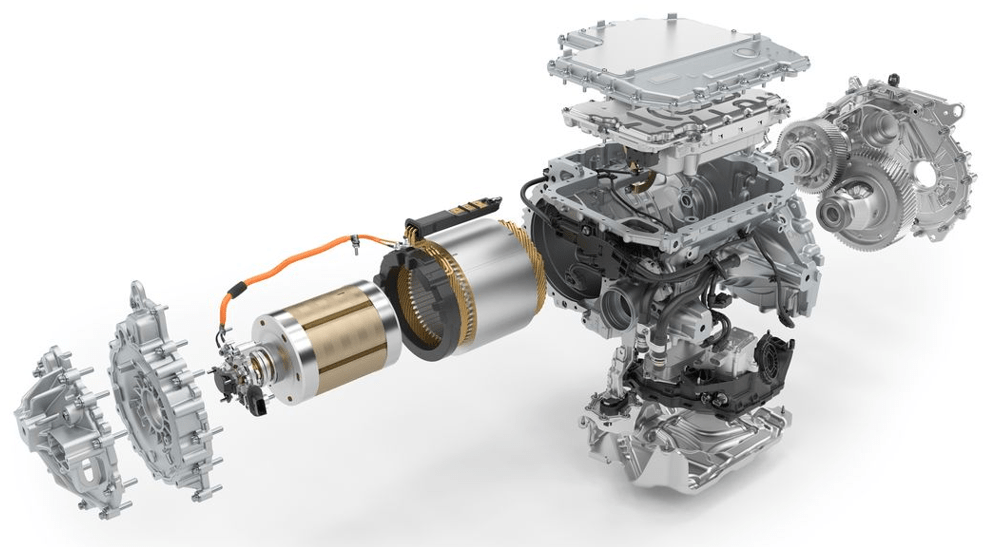
As electric vehicles (EVs) revolutionize the auto industry, motor cores have emerged as critical components at the heart of EV powertrains. Yet, one essential element behind the scenes plays a decisive role in motor core manufacturing: Stamping Oil.
Dyna specializes in high-precision Stamping oil solutions, optimizing both productivity and quality in automotive motor core production with advanced industrial lubrication technologies.
Why Are Motor Cores So Important?
Motor cores are the core components of electric motors, which convert electrical energy into rotational force – powering the movement of EVs. Their performance depends on a combination of cutting-edge technologies:
Electrical steel lamination: Layering thin electrical steel sheets to reduce eddy current loss
Precision stamping: Micron-level forming of complex shapes
Advanced magnetic materials: Including SMCs, amorphous alloys, and high-silicon electrical steel
AI-powered design: Optimizing efficiency through electromagnetic field analysis
All of these processes rely on ultra-precise Stamping, cutting, and stacking — and Stamping oil is vital in ensuring these operations run reliably and efficiently.
The Global Motor Core Market: A High-Stakes Technology Race
Motor core technology is a fiercely competitive global field. Here are five of the leading players shaping the industry:
1. Mitsui High-tec (Japan)
Founded: 1969
Global presence in 30+ countries
Fully integrated production from die design to manufacturing
Market leader in motor core production
Clients include automotive, electronics, and industrial motor manufacturers
2. POSCO International (South Korea)
EV motor core specialist
Global expansion:
Mexico Plant: 2.5 million units/year
Poland Plant: Targeting 1.2 million units/year by 2030
Major client: Hyundai-Kia (secured orders of 1M+ units)
Focus: Enhancing EV performance with high-efficiency motor cores
3. EuroGroup Laminations (Italy)
Founded: 1967
Global manufacturing in Italy, USA, Tunisia, Russia
Leading supplier for motors, generators, and transformers
Expert in magnetic steel lamination and stamping
4. JFE Steel (Japan)
Key products: Super Core, JFE N-CORE, JFE G-CORE
Pioneer in high-frequency, low iron-loss electrical steel
Supplies base materials for EV motor cores
Innovative use of Pure Iron Powder for complex core shapes
5. Xinzhi Group (China)
Founded: 1990 (Listed company: 002664)
Specializes in motor stators, rotors, and assemblies
Strong focus on in-house R&D and mold design
Leading Chinese supplier of automotive alternator stators
Global vision: Become a premier motor technology provider
What these companies have in common? Precision stamping. This makes the stability and reliability of the Stamping process — and by extension, Stamping oil — a critical competitive factor.
Stamping Oil: The Hidden Hero of Motor Core Quality
Stamping oil is far more than just a lubricant. In high-speed, high-precision EV motor core production, it directly impacts product quality, yield, and equipment longevity.
Key functions of Stamping oil include:
Lubrication: Reduces friction, extending die life
Cooling: Prevents heat buildup during high-speed stamping
Rust prevention: Keeps electrical steel clean and corrosion-free
Cleanability: Ensures smooth post-processing and surface cleanliness
What Sets Dyna’s Stamping Oils Apart?
Dyna offers cutting-edge Stamping oil solutions tailored specifically for EV motor core manufacturing.
Key Features:
Chlorine-free, eco-friendly formulation with excellent thermal stability
Optimized for high-speed stamping: Maintains lubrication under extreme conditions
Engineered viscosity for ultra-thin materials (under 0.1mm)
Minimizes burrs for enhanced precision and product consistency
Custom formulations available to match your die and process conditions
Bottom Line: High-Performance Motor Cores Require High-Performance Stamping Oil
No matter how advanced your technology, unstable base processes will compromise overall quality and productivity. Stamping oil is not a consumable — it’s an invisible yet essential technology that protects the performance of high-value components.
Dyna is committed to developing and delivering lubrication technologies that power the future of the automotive industry.
Discover how our differentiated Stamping oil solutions can elevate your motor core production today.
Electrical Discharge Machining (EDM) is a non-contact machining method that uses electrical energy to shape metal without the tool directly touching the workpiece. Unlike cutting, grinding, or polishing, EDM removes material through thermal energy generated by electrical discharges.
Let’s explore the basic principles and advantages of EDM.
What is Electrical Discharge?
An electrical discharge occurs when a high voltage is applied to an insulating material, causing dielectric breakdown and allowing current to flow. Common examples include lightning and static electricity.
Even the flow of electricity from a battery to power a device is a form of discharge—current flows from the positive to the negative terminal, completing the circuit.
How EDM Works
EDM creates a series of electrical sparks between an electrode and a workpiece submerged in dielectric fluid. These sparks generate intense heat that melts the material locally. The molten metal is then rapidly cooled and expelled by vaporization, removing unwanted material and forming the desired shape.
Electrodes made of copper or graphite are typically used, and the process takes place inside specialized insulating oil or fluid (dielectric).
Types of EDM
1. Die-Sinking EDM
Uses a pre-shaped electrode with the inverse of the desired geometry. The electrode is controlled via NC (Numerical Control) machinery to move across the X and Y axes and form complex shapes.
Micro-hole EDM, using thin rod electrodes, allows the machining of deep, narrow holes that are difficult to achieve by traditional drilling.
2. Wire EDM
A thin wire acts as the electrode and cuts through the workpiece like a wire saw. It’s also automated using NC controls and is ideal for precise profile cutting.
Advantages of EDM
High-Precision Machining Achieves micrometer-level accuracy, suitable for intricate and delicate features.
Can Process Hard Materials Materials like tungsten carbide and hardened steels can be machined without needing expensive cutting tools.
Non-Contact Machining No mechanical stress is applied, reducing the risk of residual stress, deformation, or burrs.
Continuous Cooling During Machining The dielectric fluid keeps the workpiece cool, preventing thermal distortion.
Disadvantages of EDM
Slow Machining Speed Material is removed gradually, making the process unsuitable for high-volume production.
Cannot Machine Non-Conductive Materials The workpiece must be electrically conductive; otherwise, no discharge occurs.
Electrode Wear Electrodes erode during use, especially at the edges, requiring replacement to maintain precision.
Process-Specific Drawbacks
Die-Sinking EDM: Requires custom electrode fabrication for each shape, increasing time and cost.
Wire EDM: Since the wire is vertically aligned, it’s limited in applications where through-cuts are not possible.
About EDM Oil
In wire EDM machines, water is mainly used as the working fluid, whereas in shape EDM machines, hydrocarbon-based EDM oils are used. Initially, kerosene (paraffin), spindle oil, and hydraulic oil were used as EDM fluids, but with the development of low-viscosity petroleum-based oils, they became widely used. Later, due to concerns regarding fire hazards, odors, and skin irritation, synthetic hydrocarbon-based oils began to be more widely adopted. However, synthetic oils generally result in slower processing speeds compared to petroleum-based oils, which can reduce productivity. This has led to increased interest in the development of synthetic EDM fluids with better performance.
Reasons for Using EDM Oil in the EDM Process
Quick Recovery of Insulation and Stable Processing The use of EDM fluids helps quickly restore insulation, ensuring stable processing throughout the operation.
Cooling and Removal of Debris EDM generates debris during the process, which is rapidly cooled and removed by the fluid, maintaining the insulation state of the discharge gap. This allows for a continuous EDM cycle without loss of processing efficiency.
Maintaining Discharge Uniformity If conductive debris remains between the workpiece and the wire, the discharge can become irregular, leading to instability in the discharge gap and affecting processing accuracy. EDM fluid helps maintain uniform discharge.
Higher Flashpoint for Fire Prevention Compared to previously used kerosene or petroleum, EDM fluids with a higher flashpoint (average 100°C) reduce the risk of fire and prevent property loss. Kerosene and petroleum had lower flashpoints, exposing many companies to fire risks.
Reduced Consumption and Cost Savings The low volatility and reduced natural consumption of high-flashpoint fluids help reduce costs and improve overall cost efficiency.
For all of these reasons, EDM fluids play a critical role in ensuring “stable processing” in EDM operations.
Oxidation and Maintenance of EDM Oil
Although EDM fluids do not oxidize easily, using oxidized fluid can lead to several issues:
Insulation recovery is impaired, causing increased processing time.
The discharge gap widens, reducing precision.
Abnormal discharges occur.
To prevent these issues, regular maintenance, including fluid replacement, is essential.
Our EDM Fluid Products
Our company has long recognized these issues and has developed high-quality EDM fluids using polymerized hydrocarbon-based formulas. Our EDM fluid excels in cooling and cleaning properties, offers low viscosity and high flashpoint, providing excellent insulation and reducing extreme wear, making it ideal for ultra-precision machining. Additionally, we use additives to prevent smoke and odor, maintaining a clean working environment and ensuring stability for the user.
We offer various resources and solutions to assist in your processing needs. Please feel free to contact us with any inquiries.
In this first blog post of the year, we’ll explore one of the most essential components of electric vehicles — the drive motor, and its crucial relationship with lubricants used during manufacturing.
What is a Drive Motor?
A drive motor converts electric energy into mechanical power, enabling an EV to move. It works by delivering torque from the motor shaft (via a reduction gear) directly to the wheels.
There are two main types of electric motors: DC (Direct Current) and AC (Alternating Current) motors. Modern EVs primarily use synchronous AC motors for their superior efficiency, low noise, and high torque density.
Key Advantages of EV Drive Motors
High Efficiency & Low Maintenance With fewer moving parts than internal combustion engines, EV motors offer better energy efficiency and lower long-term costs.
Instant Torque & Responsiveness EVs can generate powerful torque instantly, providing strong acceleration and smooth handling.
Regenerative Braking Drive motors can recover energy during braking, improving overall driving range.
Reduced Noise & Vibration A smoother and quieter ride offers enhanced comfort and a better driving experience.
Market Outlook for Drive Motors
Driven by global climate goals and the transition toward carbon neutrality, the automotive industry is shifting rapidly from internal combustion to electric propulsion. With heavy investments in EV technologies and supportive government policies, the global market for automotive drive motors is set for significant growth.
Lubricants: A Key to Precision and Performance
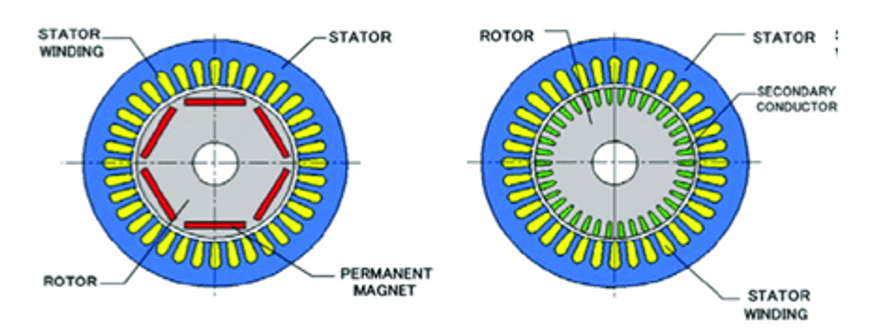
Both the stator and rotor — key components of a drive motor — require high-precision stamping during manufacturing. At this stage, our metal-forming lubricants play a vital role in ensuring optimal performance and surface quality.
At Dyna, we supply specialized lubricants tailored for motor core production across various industries, including the fast-evolving EV sector. Through continuous R&D and product refinement, we deliver premium solutions that meet our customers’ demanding standards for efficiency, durability, and quality.
Electrical Discharge Machining, commonly known as EDM, is a manufacturing process that removes material from a workpiece using electrical sparks generated between two electrodes — an anode and a cathode.
These electrical sparks generate extremely high temperatures, which melt or vaporize the material, allowing for precise shaping of the workpiece.
Because the sparks occur in rapid succession and affect only very small areas, EDM is particularly suitable for high-precision machining.
As a result, EDM is widely used in applications requiring fine detail and accuracy, such as micro-drilling (super drill) and wire cutting processes.
Mold manufacturing, where consistent replication of parts is critical, heavily relies on EDM due to its precision capabilities.
Key Features of EDM
Can machine even hard and tough materials thanks to the high heat generated during discharge.
Compatible with CNC systems, enabling automated and programmable operations.
Excellent for precision and complex shapes, making it ideal for intricate molds or components.
Minimal deformation of the base material, unlike some other machining methods.
Disadvantages of EDM
Despite its advantages, EDM also has some limitations:
Requires a specially prepared electrode for each machining job.
Limited choice of electrode materials, which can impact process flexibility.
Potential risk of fire, which is a critical safety concern.
Among these drawbacks, fire risk is the most serious and should never be overlooked.
In fact, it’s quite rare to find an EDM-specialized facility that hasn’t experienced a fire incident at least once.
Why Does Fire Risk Occur in EDM?
The fire risk associated with EDM arises from two primary causes:
The flammability of EDM fluids, especially when traditional oils like diesel or kerosene are used.
Starting the machining process before EDM fluid is properly filled, leaving sparks exposed to open air.
EDM fluids serve several essential purposes:
Cooling the machining area
Insulating the electrodes
Flushing away machining debris (chips)
Enhancing overall precision and stability of the process
In the past, diesel or kerosene was commonly used due to its low cost and resistance to high heat. However, considering that the spark temperatures during EDM can reach 8,000 to 12,000°C, these traditional fluids can pose significant fire hazards.
Importance of High-Quality EDM Fluids
Due to the extreme heat and potential ignition from electrical sparks, modern EDM fluids must have high flash points and low volatility to prevent fires.
In addition, they must:
Provide excellent cooling and insulation
Effectively flush out chips
Contribute to improved machining precision
Dyna’s EDM Fluid – Product Overview
At Dynasolution, we have over 30 years of experience in manufacturing and supplying high-quality EDM fluids.
Key Features of Our EDM Fluids:
Highly refined, colorless, and odorless, ensuring a cleaner working environment.
Low-viscosity with outstanding thermal stability, suitable for extended operations.
High dielectric strength, enabling ultra-precise machining with minimal electrode gap.
No residue formation during heat treatment, resulting in excellent cleanability.
Special additive formulation prevents soot and odors, keeping the workspace clean and pleasant.
Non-irritating to skin, reducing the risk of dermatitis or other skin damage for operators.
Low viscosity and high flash point provide excellent operational safety.
Higher flash point than conventional petroleum-based oils, reducing fire risk and cutting consumption by over 70%.
For any inquiries about EDM fluids, feel free to contact Dyna Co., Ltd. We are committed to delivering the best quality and value to our customers.
In the world of metalworking, precision is everything. When it comes to producing highly accurate, clean-edged components with tight tolerances, fine blanking stamping emerges as a cutting-edge solution. But precision doesn’t come from machinery alone — it requires the perfect synergy of process, materials, and support systems. What is the One often-overlooked factor that plays a critical role in the success of fine blanking?
What is Fine Blanking Stamping?
Fine blanking is a specialized stamping process used to produce precise and flat metal parts with smooth, burr-free edges — typically in a single stroke. Unlike traditional stamping or shearing, fine blanking utilizes:
A triple-action press (punch, counter punch, and die)
High-pressure clamping
Very small clearances between tool and workpiece
This results in superior dimensional accuracy and an almost entirely sheared surface — making it ideal for parts like:
Gears
Automotive components
Clutch parts
Precision washers
Electronic connectors
Why Metal Forming Fluids Matter in Fine Blanking
Fine blanking might seem like a dry mechanical process, but in reality, lubrication is essential to its efficiency, tool life, and finished part quality.
Here’s why metal forming fluids are indispensable:
1. Minimizing Friction and Wear
The immense pressure involved in fine blanking creates high friction between the punch, die, and workpiece. Without proper lubrication:
Tools wear out faster
Surface defects may occur
Edge quality decreases
Metal forming fluids reduce this friction, allowing cleaner cuts and extended tool life.
2. Controlling Heat Generation
High-speed, high-force operations generate significant heat, which can:
Distort workpieces
Reduce material flow control
Cause premature tool failure
Cooling agents within metal forming fluids dissipate heat, maintaining thermal stability during the process.
3. Improving Surface Finish
A high-quality metal forming fluid ensures:
Minimal burr formation
Smoother part surfaces
Reduced need for secondary finishing operations
This is critical in industries like automotive or electronics, where surface quality and tolerances are non-negotiable.
4. Preventing Galling and Adhesion
Under high pressure, metal can stick to tooling — a phenomenon known as galling. Metal forming fluids act as a barrier to prevent adhesion, preserving both tooling and part integrity.
What to Look For in a Fine Blanking Lubricant?
Not all fluids are created equal. For fine blanking, ideal metal forming fluids should offer:
High-pressure resistance (EP performance)
Excellent cooling and lubricating ability
Compatibility with a wide range of metals (steel, aluminum, etc.)
Minimal residue and easy cleanability
Environmental and operator safety compliance
Synthetic and semi-synthetic fluids are increasingly popular due to their consistent performance and eco-friendly formulations.
Boost Your Fine Blanking Efficiency with the Right Fluid Partner
Fine blanking is about pushing the limits of precision — and every detail matters. By choosing the right metal forming fluid, manufacturers can:
Improve part quality
Extend tool life
Reduce downtime
Lower overall production costs
At [Your Company Name], we provide high-performance fine blanking lubricants tailored to your specific materials and production conditions. Whether you’re producing clutch plates or intricate electrical connectors, we help you stay sharp — cut after cut.
Please contact us to learn how the right metal forming fluid can transform your fine blanking operation.
Fine blanking is a high-precision metal stamping process developed in Switzerland in the 1920s. The term itself means “precise blanking,” referring to the process of punching out parts with extremely smooth and accurate edges using plastic deformation under high compressive stress, a phenomenon known as the hydrostatic pressure effect. This effect enhances the ductility of the material, allowing for clean shearing.
Unlike traditional machining methods like turning, which create chips, fine blanking forms parts directly through pressing, making it ideal for mass production of complex components—particularly in the automotive industry. Though its working principle is similar to punching, blanking differs in that the cut-out portion is used as the product, whereas punching typically uses the remaining sheet.
Fine blanking stands out from general blanking when higher surface quality, precision, and dimensional consistency are required.
3 Key Advantages of Fine Blanking
1. Exceptionally Smooth Cut Surfaces Fine blanking delivers clean, straight sheared edges across nearly 100% of the cut surface. In contrast, conventional blanking typically results in about one-third sheared surface and two-thirds fracture surface. The difference is similar to slicing a watermelon with a knife versus breaking it apart by hand—visibly and functionally significant.
The surface roughness from fine blanking ranges from Ra 0.4 to 1.6 μm, much smoother than conventional blanking or machining. Because of this, parts often require no secondary finishing, improving cost-efficiency.
2. Combined Forming Reduces Manufacturing Costs Fine blanking isn’t limited to flat parts. It also enables simultaneous operations like bending, coining, and extrusion—features that add detail or functional shapes in one stroke. This capability shortens production steps, leading to significant cost savings.
3. Superior Quality Through Triple-Force Mechanism While standard blanking relies solely on downward punch force, fine blanking uses three coordinated forces: clamping force (with a V-ring to fix the sheet), punch force, and counterforce from an ejector below. This triple-force setup yields higher accuracy, flatness, and perpendicularity.
The V-ring creates grooves that securely fix the sheet, minimizing movement and improving the sheared edge’s perpendicularity. The balanced top-down pressure also prevents material warping and deformation.
Equipment & Maintenance Considerations
Fine blanking setups require specialized, high-cost equipment including:
Uncoilers to feed steel coils
Levelers to flatten the material
Roller feeders to control sheet advancement
Maintenance costs are approximately 10% higher than those for standard blanking systems due to the need for precise die assembly and disassembly.
Die life typically ranges from 500,000 to 1,000,000 strokes. Longevity depends on factors such as blanking depth accuracy, press rigidity, counterforce balance, material feed consistency, die setup precision, and heat treatment quality.
Material Selection
Fine blanking imposes stricter material requirements than conventional blanking. The shearing speed is slower—typically 5 to 15 mm/sec compared to 50 to 100 mm/sec for general blanking—allowing around 30–35 strokes per minute. Thicker or higher-tensile materials reduce the processing speed even further.
Materials must exhibit adequate ductility or malleability to prevent cracking and ensure clean shearing. Additionally, to achieve high-quality edges, cold-rolled sheets with spheroidized microstructures are preferred, adding about 5–10% to material costs.
Growing Applications and Hybrid Techniques
Fine blanking is increasingly used in combination with forging, sintering, casting, and machining to streamline manufacturing, reduce costs, and improve strength or weight performance.
Advancements in press capacity, die material, and surface treatments now enable fine blanking for larger parts and more challenging materials—broadening its application to industrial machinery and structural components.
Lubricant Selection for Fine Blanking
Since fine blanking includes elements of drawing, high-viscosity lubricants are essential. Without proper lubrication, cold welding and tool wear become severe, compromising surface quality and dimensional accuracy. The wrong lubricant can reduce tool life and degrade product quality.
Always select lubricants based on material type and thickness. For further guidance, consult lubricant specialists Dyna Co., Ltd.
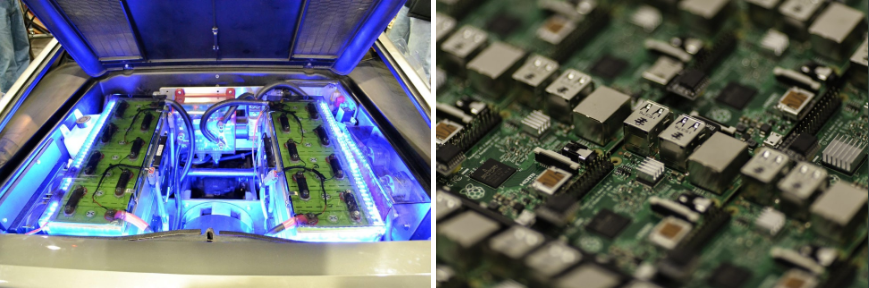
From phone charging cables and telephone communication lines to data cables connecting PCs to the internet, and various memory card modules in automotive navigation systems — connectors have long been the invisible enablers of our daily digital lives.
Although wireless technology is advancing rapidly, we still face numerous technical challenges before everything can be fully wireless. For now, and the foreseeable future, wired connectors and plug-in components remain essential across virtually every sector — from consumer electronics to automotive and industrial applications.
Evolving Connector Types and Increasing Complexity
Even something as simple as a PC-to-monitor cable has evolved dramatically — from VGA (RGB) to DVI, and now to HDMI and DisplayPort. Similarly, charging cables for Android smartphones have gone through multiple format changes, driven by the push for faster data transfer, smaller form factors, and higher power efficiency.
As devices shrink and demand faster speeds, connector modules have become increasingly intricate in structure, all while adhering to international standards for compatibility. These modules — found at the ends of cables or within electronic assemblies — require precision-manufactured components that ensure secure, stable connections.
Where Punching Oil Comes In
To manufacture these connectors, raw materials like aluminum and copper undergo various forming and stamping processes using press machines. One key material used in these high-speed, high-precision operations is punching oil.
As materials get thinner and more diverse due to technological advances, the requirements for lubricants used in stamping processes become more demanding. Punching oil not only facilitates smooth metal deformation but also helps preserve die life and ensure clean, burr-free edges.
Unlike larger automotive parts such as motor cores or radiators (where punching oil is also used), connectors are smaller and more complex — requiring even more specialized formulations of lubricants that can withstand tight tolerances and high repetition rates.
Rising Demands from the EV Boom and Miniaturization Trend
The shift toward electric vehicles has led to an exponential increase in the number of electronic and communication components in modern cars. This growth is pushing suppliers to improve their manufacturing processes, materials, and lubricants to meet ever-more stringent standards set by global OEMs.
Many manufacturers, including those in connector production, are now handling a wide variety of parts. Depending on material type, shape, and size, a mix of lubricants — such as drawing oils, fine blanking oils, and punching oils — may be required. In the past, many companies relied heavily on imported lubricants. However, domestic Korean alternatives have since caught up in both performance and reliability.
Despite this progress, some manufacturers still cling to costly imports, doubting the quality of local products. We believe this mindset needs to shift — and fast.
Our Commitment
Our company proudly supplies punching oil to leading Korean conglomerates under approved vendor agreements. We also export our products to major global corporations, where performance and consistency are critical.
We don’t just sell — we collaborate. When approached with a new item or requirement, we thoroughly analyze the customer’s manufacturing process, materials, and equipment to develop the optimal solution. At the same time, we strive to offer cost-effective products without compromising on performance.
As the industry continues to evolve, so too does our dedication to innovation — in formulation, application, and customer support.
From the charging cables we use with our smartphones to the communication cables connecting telephones, PCs, and monitors — and even the memory cards and navigation systems in our vehicles — connectors and connection components have been a vital part of our everyday lives for decades.
Despite the surge in wireless technologies in recent years, truly wireless environments remain a distant goal. Numerous technical challenges still stand in the way, and in the meantime, physical connection components like cables and plug-in modules continue to play a critical role across virtually every industry.
Miniaturization and Complexity: The Evolving Cable Interface
Cable connectors — especially those at the ends of communication lines — are now more complex and compact than ever before. To ensure compatibility across various devices, these modules are standardized globally. As data transmission speeds increase, so too does the complexity of connector structures.
For example, the cable used to connect a PC to a monitor has evolved significantly over time, moving from RGB to DVI, and eventually to HDMI, as shown in the image below. Similarly, charging ports for Android smartphones have gone through multiple iterations in a short span.
Each device requires a compatible connector module to establish a secure and functional connection. To manufacture these connector components, precision stamping processes are used — and stamping oil plays an essential role in ensuring the quality and reliability of these operations.
Connectors are typically made from materials like aluminum or copper, which undergo various machining and stamping processes to be formed into intricate shapes. As manufacturing technology continues to advance, the materials used are becoming more diverse, and the thickness of components is decreasing. This evolution increases the technical demands placed on suppliers, making development more challenging than ever.
EV Growth Drives Demand and Innovation
The rapid growth of electric vehicle (EV) production has led to a dramatic increase in the number of in-car electronic systems and communication devices. Naturally, this has also triggered a surge in the demand for associated components — and a parallel need for technical innovation.
In a previous blog post, we introduced how stamping oil is used in the production of motor cores and radiators. Compared to these larger components, connectors are far smaller and more intricate, requiring highly precise stamping molds. Stamping oil must also evolve alongside these tools to meet the increasing demands of miniaturization and complexity.
Supporting Diverse Manufacturing Needs
Many companies that manufacture connectors also produce a variety of other precision components. Depending on the shape, size, and material of each product, a wide range of specialized oils may be required — such as drawing oils and fine blanking oils. While imported lubricants were common in the past, most companies today have transitioned to reliable Korean-made alternatives.
That said, there are still companies that hesitate to trust domestic products, choosing instead to continue using expensive imported oils out of habit or caution. We believe it is time for this mindset to change.
Our Commitment to Innovation and Global Quality
Our company is proud to be an approved supplier to major Korean conglomerates and also exports its products to globally renowned manufacturers. We actively collaborate with clients to understand their processes and equipment, developing optimized products that not only meet technical demands but also help reduce production costs.
Through continuous innovation and close customer collaboration, we aim to provide stamping oils that meet the highest global standards while contributin
Thanks to its unique properties, aluminum plays a critical role in various industries. Due to its lightweight and corrosion-resistant characteristics, aluminum is an essential material in industries such as automotive, electronics, and construction materials. However, in the process of aluminum fabrication, the punching process is key to improving the quality of the final product. And one component that is crucial in this process is Punching Oil.
Today, let’s explore why aluminum punching oil is so important and what factors need to be considered when selecting it.
Why is Punching Oil Important?
In the aluminum punching process, punching oil plays a vital role beyond just lubrication. This is because aluminum is more heat-sensitive and prone to deformation compared to other metals. In this context, punching oil performs several critical functions:
Lubrication: It reduces friction between the punch and die, increasing the machine’s lifespan and preventing unnecessary wear and tear.
Heat Dissipation: It helps to quickly disperse the heat generated during high-speed punching, preventing deformation.
Residue Removal: It effectively removes burrs, chips, and other residues after processing, resulting in a clean surface.
Surface Protection: It protects the aluminum surface and prevents scratches and stains.
As such, punching oil is an indispensable factor in ensuring the high-quality processing of aluminum products.
What Makes Aluminum-Specific Punching Oil Different from Regular Oil?
Aluminum, due to its nature, has higher friction during processing and is more sensitive to heat than other metals. Therefore, aluminum-specific punching oils differ from regular oils used for other metals in several key ways:
Viscosity: Aluminum-specific punching oils generally have low to medium viscosity, which allows the oil to penetrate quickly, dissipate heat efficiently, and minimize wear on machine components.
Chlorine Additives: Many aluminum-specific oils are chlorine-free because chlorine-based compounds can corrode the aluminum surface.
Cleanability: After aluminum processing, cleaning is essential. Aluminum-specific oils are often designed with fast-drying properties, making them more efficient in post-processing steps.
Low Odor & Low Smoke: The latest aluminum punching oils have low odor and low smoke performance, improving the working environment.
How to Choose the Right Punching Oil: Don’t Make These Mistakes!
When selecting punching oil, it’s essential to consider processing conditions and aluminum alloy type. To determine which oil is most suitable, check the following criteria:
1. Processing Conditions:
If you perform high-speed punching often, it’s crucial to choose an oil with excellent cooling properties.
For continuous processing, select an oil that is easy to clean and focuses on equipment protection.
2. Aluminum Alloy Type:
The oil’s reaction can vary depending on the type of aluminum alloy. Therefore, it’s vital to select oil that matches the alloy being processed.
3. Environmental Regulations:
Nowadays, environmentally friendly products are preferred. Oils that produce lower VOC (volatile organic compounds) emissions and are biodegradable are gaining popularity.
4. Cleanability:
After aluminum processing, residue removal is essential. Choose oils that are either easy to clean or have fast-drying properties to ensure they don’t interfere with subsequent processing steps.
Enhance Quality with Aluminum Punching Oil!
Aluminum punching oil is not just a lubricant. It is a critical component for producing high-quality aluminum products. Selecting the right punching oil can improve processing precision, machine efficiency, and workplace safety—all of which are keys to successful production.
To ensure your aluminum products are processed to the highest quality, choosing the right punching oil is absolutely crucial. By now, you should realize that punching oil is no longer just a supplementary material but an essential element for successful product manufacturing.