• In high-speed press machining environments producing ultra-precision electronic components, secondary battery parts, and semiconductor lead frames, a constant war against “friction” is waged every second. In harsh conditions where ultra-thin materials of 0.1mm or less are processed at hundreds to thousands of strokes per minute (SPM), immense heat and pressure are generated on the die surface.

    The key to preventing die wear and reducing product defect rates lies in controlling “Boundary Lubrication.” Today, we will explore the principles of boundary lubrication, which determines die life in high-speed stamping processes, and the film control technology used to overcome these challenges.

    The 3 Stages of Lubrication and the Stribeck Curve

    To understand how lubricants act between two moving metal surfaces in contact, it is helpful to look at the “Stribeck Curve.”

    The Stribeck Curve is a crucial concept in mechanical engineering and tribology. It is a graph that visually demonstrates how a lubricant behaves between two metal surfaces and how the friction coefficient changes.

    Generally, the vertical axis represents the friction coefficient, and the horizontal axis represents the relationship between speed, lubricant viscosity, and load (typically in the direction of increasing speed).

    As illustrated by the graph, the lubrication state is broadly divided into three regimes based on the thickness of the lubricating film:

    1. Hydrodynamic Lubrication: The ideal state where the two metal surfaces are completely separated by a thick fluid film. Friction is at its lowest.

    2. Mixed Lubrication: The transition zone where the fluid film thins out, and the microscopic peaks
    (asperities) on the metal surfaces begin to partially make contact.

    3. Boundary Lubrication: The state where the liquid film breaks down due to extreme loads or changes
    in speed, causing the asperities on the metal surfaces to collide directly.

      Why is High-Speed Press Machining Always in a State of ‘Boundary Lubrication’?

      Unlike general mechanical components, high-speed stamping and precision press machining are inherently forced into a boundary lubrication state.

      During the process of shearing or forming metal under intense pressure (load), the lubricant between the punch and the die is squeezed out. Especially when processing ultra-thin materials of 0.1mm or less, the clearance is extremely tight, causing the typical liquid film to break down instantly.

      Failing to properly control this boundary lubrication state leads to the following critical issues:

      • Adhesion and Galling: Metal asperities are torn away, generating metal chips (dust) that weld or stick to the die surface.
      • Indentation/Scratch Defects: The generated micro-metal chips scratch or dent the product surface.
      • Reduced Die Life: The wear of the die accelerates rapidly, significantly shortening the resharpening cycle.

      The Solution for Maximizing Die Life: Film Control Technology

      To protect the die in place of the broken liquid film, a chemical approach beyond simple base oils is required. Dyna Solution’s high-performance stamping oils incorporate Film Control Technology, specifically designed to operate under these extreme boundary lubrication conditions.

      1. Chemical Reaction of Extreme Pressure (EP) Additives
      This technology utilizes the high frictional heat (hundreds of degrees) generated during machining to its advantage. Special EP additives (sulfur, phosphorus, chlorine-based, etc.) included in the stamping oil react with the frictional heat to chemically bond with the metal surface. This newly formed solid lubricating film (metal compound film) prevents direct metal-to-metal friction even when the liquid film is broken.

      2. Physical Adsorption of Anti-Wear (AW) Additives
      Under relatively lower temperature and load conditions, AW additives firmly adsorb onto the metal surface to form a thin protective barrier. This prevents microscopic wear on the die from continuous impacts during high-speed machining.

      3. The Balance Between Cleanability and Residue
      Particularly for secondary battery components or semiconductor materials, lubricant residue after machining severely impacts quality. An excellent stamping oil must deliver powerful boundary lubrication performance while being cleanly removed without leaving residue during post-processes (cleaning and drying).

      Summary

      The core of extending die life and improving production yield in high-speed press machining depends on “how to chemically protect against the unavoidable boundary lubrication state.”

      Beyond simple lubrication, Dyna Solution pr ovides customized solutions that boost factory productivity through optimal additive formulations tailored to material thickness, composition, and machining speed. If you are struggling with frequent die wear or indentation defects during ultra-thin metal processing, we highly recommend contacting Dyna Solution to evaluate the boundary lubrication control capabilities of your current stamping oil.

      Dyna Solution Co., Ltd.
      Industrial Lubricant Solution

      E-Mail : dyna@dynachem.co.kr
      Web : dyna.co.kr/en/
    1. Cylindrical battery cans, sink bowls, automotive oil pans, and beverage cans. What do these all have in common? They are all manufactured using the Deep Drawing process, which seamlessly presses flat sheet metal into deep, three-dimensional cylindrical shapes.

      Deep drawing is an advanced manufacturing technique that maximizes the plasticity of metal (its ability to permanently deform under applied force). However, as the drawing depth increases, defects become highly common—materials either fail to withstand the stress and tear (fracture), or their surfaces buckle and pucker (wrinkle).

      Even after hundreds of die design modifications on the shop floor, high defect rates can stubbornly persist. The hidden solution often lies in an unexpectedly thin layer of oil—less than 0.1mm thick—which comes down to optimizing the friction coefficient.

      1. The Dilemma of Deep Drawing: Tearing vs. Wrinkling

      The deep drawing process takes place when a punch forces a metal sheet (blank) into a die cavity. To control how the edges of the sheet are drawn into the die, a blank holder presses down firmly on the material from above. This is where the engineers’ dilemma begins.

      • Wrinkling Defects: If the holding force (blank holder pressure) is too weak, the metal flows into the die irregularly, causing the edges to buckle and wrinkle.
      • Tearing Defects: What happens if you increase the blank holder pressure to prevent wrinkling? The metal resists sliding into the die. As the punch forcibly pushes down, the material cannot overcome the resulting friction and tensile stress, leading to tears along the side walls or bottom corners.

      Ultimately, successful deep drawing comes down to friction control—holding the blank tightly enough to prevent wrinkling, yet allowing it to slip smoothly enough to prevent tearing.

      2. The Secret to Optimizing Friction Coefficients: “Boundary Lubrication” and Drawing Oils

      The only way to resolve this contradiction—applying intense pressure while ensuring a smooth slip—is by using a high-performance deep drawing oil (also known as drawing or stamping fluid).

      Hundreds of degrees of frictional heat are generated at the forming site due to the punch’s extreme pressure. Standard lubricants cannot withstand this heat and pressure; their oil film breaks down, causing direct metal-to-metal contact between the die and the blank. This causes a sudden spike in the friction coefficient, tearing the material.

      High-precision drawing oils designed to maximize yield use special additives to form a Boundary Lubrication Film.

      • Extreme Pressure (EP) Properties: These create a strong chemical bonding film between the mold and the material, protecting the oil film from rupturing under any high-temperature or high-pressure conditions.
      • Slip Properties: This maintains an optimal friction coefficient (slipperiness) so the metal structure can flow smoothly into the die cavity, even under heavy blank holder pressure.

      3. The Impact of Pressure and Lubrication on Deep Drawing

      The aforementioned “lubrication performance (friction coefficient)” and “blank holder pressure” must be perfectly balanced. Achieving high-quality forming results requires advanced lubrication performance.

      If the pressure is too low, wrinkling occurs. If the pressure is high but lubrication is insufficient, the material tears.

      4. Drawing Oil Selection Checklist for Your Facility

      As seen in the simulation, successful deep drawing is impossible without advanced lubrication performance. The thicker the material and the deeper the drawing depth (the higher the draw ratio), the more stringent your drawing oil selection must be.

      For successful deep drawing, be sure to verify the following three factors:

      • Is the Extreme Pressure (EP) additive formulation suited for the material? (The mechanism for oil film formation must adapt to the physical strength and chemical properties of the specific metal, whether it is stainless steel, aluminum, or copper.)
      • Does it maintain the correct viscosity for the operating temperature? (If the oil is too thin, the protective film will rupture under high pressure. If it is too thick, it will cause pumping issues and poor chip evacuation.)
      • Does it offer excellent post-process cleanability? (Because deep drawing oils have high viscosity and heavy additive content, cleaning them off after processing is notoriously difficult. The oil must be highly compatible with the solvents used in your cleaning line to prevent subsequent plating or welding defects.)

      Yield innovation begins when you win the “invisible war against friction.” If you are struggling with frequent die wear and unexplained tearing defects, it is time to move away from the stopgap measure of simply applying more oil. Instead, transition to a premium, custom-formulated fluid that fundamentally controls the friction coefficient.

      Break through the yield limitations of your deep drawing process with the accumulated field data and expert consulting of Dynasolution Co., Ltd.

      Dyna Solution Co., Ltd.
      Industrial Lubricant Solution

      E-Mail : dyna@dynachem.co.kr
      Web : dyna.co.kr/en/
    2. The hottest topic in the manufacturing industry lately is undoubtedly “ultra-precision.” Particularly, from core components for secondary batteries and precision automotive gears to aerospace and defense parts where not even a 0.01mm margin of error is tolerated, the tolerance standards required for metal processed parts are becoming stricter day by day.

      To mass-produce these ultra-precision parts, the core method being adopted in the field is “Fine Blanking.” However, no matter how outstanding and expensive your fine blanking press and precision dies may be, you can never achieve the desired quality without the backing of the “lubrication technology” that bridges the gap between them.

      Today, we will analyze the differences between a conventional press and fine blanking, and explore the three core conditions of precision lubrication technology required to protect the die and achieve a 100% smooth sheared edge during the fine blanking process.

      1. Differences in the Sheared Edge: Conventional Press vs. Fine Blanking

      The most significant difference between the two methods lies in the quality of the stamped part’s sides, namely the “sheared edge.”

      • Conventional Press (Conventional Blanking): When the die strikes the material, it is cut as if being torn. During this process, a slight indentation (die roll) and a clean cut (sheared edge) appear at the top. However, the bottom two-thirds inevitably feature a rough, torn surface known as the breakaway, along with sharp burrs. Additional post-processing, such as barrel polishing or shaving, is required to smooth out these rough edges.
      • Fine Blanking: A V-shaped ring (V-ring) is integrated into the die to firmly bite into and secure the material. Pressure is then applied to push the material out while maintaining minimal clearance between the upper and lower dies. Because the material is pushed out smoothly—like slicing cheese—without giving it room to tear, 100% of the part’s thickness is formed as a clean sheared edge without any breakaway. It is the pinnacle of precision machining that dramatically reduces the need for post-processing.

      2. The Dilemma of Fine Blanking: Extreme Pressure and Die Stress

      While fine blanking creates perfect cross-sections, the physical stress exerted on the die during the process is incomparably harsher than that of a conventional press. Because the material must be strongly compressed and severed at a slow speed, tremendous frictional heat reaching hundreds of degrees and extreme pressure are generated between the die and the material. What happens if the oil film breaks down in this situation?

      • Galling: Due to high heat, punched metal chips stick to the die surface as if welded on.
      • Dimensional Defects and Scratches: The galled debris scratches the surface of the next part being punched, causing severe scratches and dimensional errors of 0.01mm or more.
      • Die Wear & Breakage: The cutting edges of expensive carbide dies become dull or chipped, leading to massive replacement costs and downtime.

      To prevent such catastrophic issues, fine blanking absolutely requires special-purpose, high-performance precision stamping oils designed to withstand harsh environments, rather than standard lubricants.

      3. Three Absolute Conditions for Precision Fine Blanking Lubricants

      ① ‘Extreme Pressure (EP) Performance’ to Withstand Extreme Conditions This is the most crucial virtue of a precision lubricant for fine blanking. When the die crushes the material with immense pressure, standard oils cannot withstand the load and are squeezed out, allowing direct metal-to-metal friction. Therefore, high-performance Extreme Pressure Additives must be blended in optimal ratios to chemically react with the metal surface and form an “unbreakable, strong boundary lubrication film.”

      ② Viscosity Retention and Outstanding ‘Cooling Capacity’ Continuous high-pressure processing inevitably leads to an increase in die temperature. If the temperature exceeds the control range, the oil’s viscosity drops, causing it to lose its lubricity. An excellent stamping oil maintains an appropriately high viscosity while immediately absorbing and dissipating the generated frictional heat. This prevents thermal expansion of the die and stably maintains dimensional precision.

      ③ ‘Cleanability’ to Enhance Post-Processing Efficiency Because fine blanking oils have high viscosity and contain large amounts of extreme pressure additives to form a strong film, they tend to leave a sticky residue on the part’s surface after machining. This becomes a cause of defects in post-processes like welding and plating. Therefore, to achieve genuine productivity improvements, the oil must exhibit powerful lubricating performance while maintaining the compatibility to be quickly and completely degreased in subsequent cleaning lines (hydrocarbon-based, water-based, etc.).

      💡 Dyna Solution’s Technology: Determining Yield Behind the Scenes

      In advanced manufacturing fields fighting against 0.01mm margins of error, machining lubricants are not mere “consumables” but “core strategic materials” that protect die assets and safeguard the overall process yield. Minor galling and frequent die wear caused by the use of standard industrial fluids invisibly eat away at a company’s manufacturing costs.

      Based on the synthetic metalworking fluid technology accumulated over the past 30 years, Dyna Solution provides customized, high-performance stamping oil solutions that overcome the extreme conditions of the fine blanking process. If you want to maximize the lifespan of your expensive dies and achieve 100% perfect sheared edge quality, experience Dyna Solution’s fluid curation optimized for your process right now.

      Dyna Solution Co., Ltd.
      Industrial Lubricant Solution

      E-Mail : dyna@dynachem.co.kr
      Web : dyna.co.kr/en/
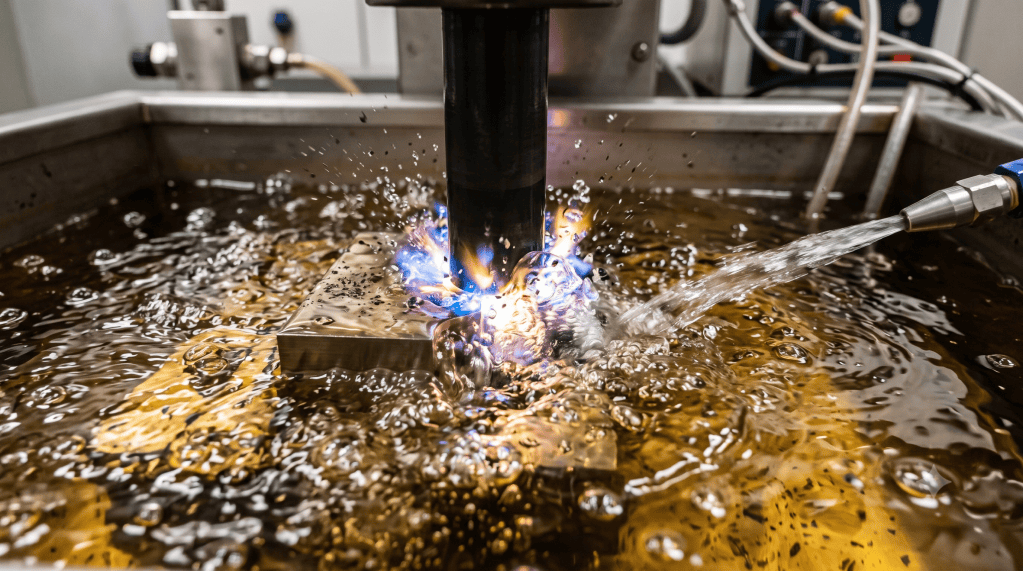
    3. Today’s trend in the electronic component industry is clear:

      “Thinner (ultra-thin sheets), Faster (high-speed pressing), and More Precise (ultra-precision machining).” In extreme processing environments that battle thicknesses under 0.1mm and stamp thousands of times per minute, the role of stamping oil, often used without second thought, has become incomparably more important than in the past.

      In particular, next-generation precision stamping oils applied to high-end processes go beyond simple friction reduction; they have a critical impact on increasing tool life, controlling micro-burrs, and ensuring the integrity of post-processing (cleaning/plating).

      In other words, a failure in selecting the right stamping oil is not just a matter of changing oil; it means reduced efficiency across the entire production line and the incurrence of massive costs.

      In actual industrial fields, choosing a lubricant that does not match the process conditions leads to headaches caused by the following critical issues:

      • Deterioration of micro-burr and sheared surface quality: Leads to defects in post-processing and poor product assemblability.
      • Poor cleaning processes and rising costs: Incomplete cleaning due to oil residue and shortened cleaning agent replacement cycles.
      • Surge in tool wear and seizure: Occurrence of downtime due to frequent tool maintenance.
      • Plating/Bonding defects: Occurrence of plating peeling, welding, or bonding failures due to surface residue.
      • Decline in overall productivity and yield: Inability to perform high-speed machining and increased defect rates.

      Therefore, to successfully introduce next-generation precision stamping oil into your ultra-precision process, we have summarized six key factors that must be reviewed from a field engineer’s perspective.

      1. Physical Properties and Chemical Reactions of the Workpiece Material

      The first, and most in-depth thing to verify is the workpiece material. Materials used in the stamping process of electronic components each have different “lubrication requirements.”

      • Cu (Copper and Copper Alloys): Possesses good conductivity but is very sensitive to surface oxidation and discoloration. Inactive-type extreme pressure (EP) agents must be used to maintain the best surface condition until plating.
      • Al (Aluminum Alloys): Being soft and viscous, galling (adhesion to the tool surface) occurs easily. Excellent anti-galling performance and clean residue characteristics are important.
      • Nickel Alloys/Special Materials: Customized lubrication design tailored to the unique characteristics of each material is essential.
      • SUS (Stainless Steel): Due to high hardness and severe work hardening, extreme frictional heat and pressure are applied to the tool edge, making powerful extreme-pressure lubrication performance essential.

      2. Stamping Speed (SPM – Strokes Per Minute)

      SPM, which is directly linked to productivity, is a very important factor determining the direction of stamping oil selection. Modern electronic component production lines are moving toward extreme high-speed processes.

      • High-Speed Processes (Over 1,000 SPM): The instantaneous localized temperature between the tool and the material rises to several hundred degrees. If this heat is not cooled immediately, the oil’s viscosity drops sharply, leading to rupture of the oil film.
      • Resulting Problems: Lubrication imbalance → Deterioration in stamping quality → Tool seizure.

      Therefore, to address high-speed processes, you must verify if the product possesses excellent thermal stability and cooling performance.

      3. Material Thickness and Sheared Zone Characteristics

      Following the trend of making electronic components lighter, thinner, shorter, and smaller, material thickness has become thinner than imagined (0.3mm or less, with some processes at 0.1mm or less).

      • Characteristics of Ultra-Thin Sheet Processing: Because the processing zone is extremely narrow, the “boundary lubrication” regime becomes dominant. This is the condition where the lubrication film is easiest to tear.
      • Resulting Problems: Micro-galling, surface scratches, sharp increase in tool wear.

      You must verify if high-performance extreme pressure agent and fatty oil compounding technologies, which prevent direct metal-to-metal contact between the material and the tool even at thin thicknesses, have been applied.

      4. Residual Characteristics and Ultra-Low Residue Design

      In semiconductor, mobile, and IT component processes, lubricant residue is an “enemy” of quality. High levels of residue after processing cause critical problems in subsequent processes.

      • Critical Problems: Increased cleaning time and cost, circuit defects due to ionic contamination, poor plating/bonding adhesion.

      Particularly for components requiring plating or welding in post-processing, you must select a product applied with ultra-low residue design, where the oil evaporates on its own after processing, leaving no residue or only a very minute amount of carbonized residue.

      5. Tool Protection and Maintenance Cycles

      In the stamping process, the tool (die) is the most expensive asset. The fundamental purpose of stamping oil is to protect this tool to maximize its life.

      • Insufficient Lubrication Performance: Leads to micro-cracks, chipping, and abnormal wear.
      • Application of Optimal Lubrication Technology: Drastically increases tool life, extends maintenance cycles, and stabilizes dimensional precision.

      From a cost perspective, the cost-saving effect of extending tool life is far greater than the price of the oil. Request wear test data that can prove tool protection performance.

      6. Securing Process Stability

      Finally, stamping oil affects the stability of the entire process.

      • Factors Influenced: Consistency of product dimensional precision, capability to increase SPM, delay in initial burr occurrence point, reduction in defect rates over time.

      You must review this from the perspective of total process optimization—not just “it stamps well,” but whether quality remains constant and unchanged even during long-term operation.

      Conclusion: Strategic Selection Creates a “Super-Gap” in Competitiveness.

      Next-generation precision stamping oil is no longer a mere processing aid material. It is a key process element that determines your manufacturing competitiveness in the extreme manufacturing environments of ultra-thin, ultra-high-speed, and ultra-precision processing.

      Before introduction, you must closely analyze your process characteristics and review the six factors above. Only through this process can you simultaneously catch the three rabbits of improved tool life, quality stability, and productivity improvement, thereby achieving a “super-gap” in yield.

      ** Are you currently looking for a next-generation precision stamping oil solution for ultra-precision electronic components?**

      To propose the most accurate solution, please provide us with your site information. Experts from Dyna Solution will precisely diagnose your process.

      • Workpiece Material:
      • Material Thickness:
      • Stamping Speed (SPM):
      • Current Processing Troubles (e.g., burr occurrence, tool wear, poor cleaning, etc.):

      Please contact us at the details below, and we will propose a customized precision stamping oil solution just for your company.

      Dyna Solution Co., Ltd.
      Industrial Lubricant Solution

      E-Mail : dyna@dynachem.co.kr
      Web : dyna.co.kr/en/
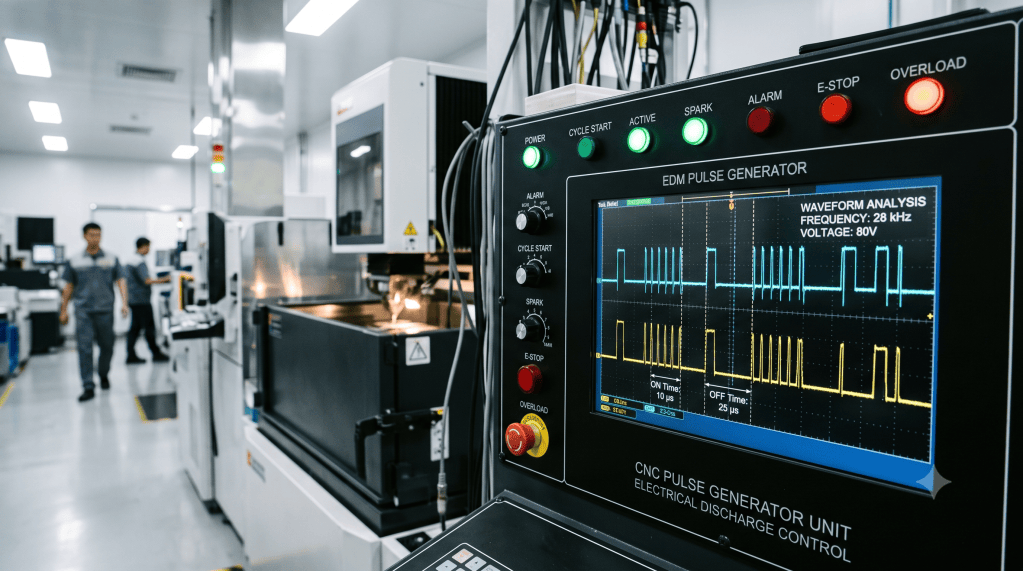
    4. What is the first step to reducing defect rates and extending die life in ultra-precision press machining? The most basic, yet frequently overlooked fact is that “every metal has its own unique physical and chemical properties.”

      Attempting to process aluminum, copper, and stainless steel all with a single, general-purpose stamping oil inevitably leads to fatal consequences: micro-burrs, premature die wear, or surface discoloration. Today, we analyze the root causes of machining issues by major metal materials and present the optimal curation standards for precision punching oil.

      ​1. Aluminum: Control ‘Galling’ and ‘Stains’

      Widely used for smartphone casings and EV battery components due to its lightweight and excellent heat dissipation, aluminum presents unique challenges during machining. ​

      • Physical Vulnerabilities: Because the material is soft and sticky, galling—where metal chips adhere to the die surface due to the heat and pressure of punching—is severe. It is also chemically sensitive; left-behind oil residue can easily cause stains or white rust (blushing).
      • Customized Curation: Aluminum machining requires special lubricants that minimize friction with the die to prevent galling. Most importantly, to avoid poor cleaning in post-processes, applying a high-quality, fast-drying (volatile) stamping oil that evaporates quickly without leaving residue immediately after machining is crucial.

      2. Copper & Copper Alloys: Maintain Absolute Cleanliness Without ‘Oxidation Discoloration’

      Copper and its alloys offer exceptional conductivity and are primarily used in ultra-small connectors for electronic components, lead frames, and high-voltage busbars for EVs.

      • Physical Vulnerabilities: While highly conductive, they are extremely sensitive to heat. The friction heat generated during machining alone can easily oxidize the surface, turning it red or black. Additionally, using inappropriate lubricants containing sulfur will trigger corrosive reactions, leading to fatal electrical defects in the components.
      • Customized Curation: Superior cooling performance is required to instantly control friction heat. Furthermore, you must select a stamping oil containing inactive extreme pressure (EP) additives and special antioxidants that do not react with copper alloys. This protects the material, maintaining optimal surface conditions and electrical conductivity until plating or post-processing.

      3. Stainless Steel (SUS): ‘Extreme Pressure (EP)’ is the Lifeline for High-Hardness Materials

      Essential for shield cans, medical devices, and precision machinery parts due to its excellent corrosion resistance and strength, stainless steel (SUS) is one of the materials that plagues press dies the most.

      • Physical Vulnerabilities: Due to its extremely high hardness and severe work hardening (becoming harder as it is processed), tremendous impact and friction heat are applied to the cutting edge of the die at the moment of punching. This frequently results in defects such as rapid die wear and rough cut surfaces.
      • Customized Curation: Forming a robust Extreme Pressure (EP) Film that never breaks, even under high-temperature and high-pressure punching, is essential. You must use a punching oil formulated with an optimal ratio of high-performance EP additives to block direct friction between the die and the material. Only then can you fully preserve the lifespan of precision dies, which often cost tens of thousands of dollars.​

      Conclusion: Precision Punching Oil is Now a ‘Strategic Essential’

      ​ In the past, stamping oil in the press process was often perceived merely as a ‘lubricating aid’ to keep machines running, or a ‘consumable’ targeted for cost reduction. However, in the high-end electronic component and secondary battery manufacturing industries—where not even a 0.1mm margin of error is tolerated—this approach is highly dangerous. ​

      Relying on general-purpose stamping oils that fail to overcome material limitations accumulates invisible micro-die wear. This ultimately leads to product defects such as burrs, dimensional errors, and poor cleaning, generating immense ‘hidden costs’ in the form of massive yield degradation and lot disposal expenses. ​

      Now, industrial sites must adopt professional precision punching oils tailored perfectly to specialized materials. Choosing a dedicated punching oil is no longer a simple consumable purchase; it is the ‘most strategic investment’ that defends a company’s quality competitiveness and innovatively reduces overall manufacturing costs. ​

      If you are struggling to improve your yield due to the machining limits of different materials, we encourage you to find your company’s optimized matching point through Dyna Solution’s accumulated data and next-generation precision stamping oil solutions.

      Dyna Solution Co., Ltd.
      Industrial Lubricant Solution

      E-Mail : dyna@dynachem.co.kr
      Web : dyna.co.kr/en/
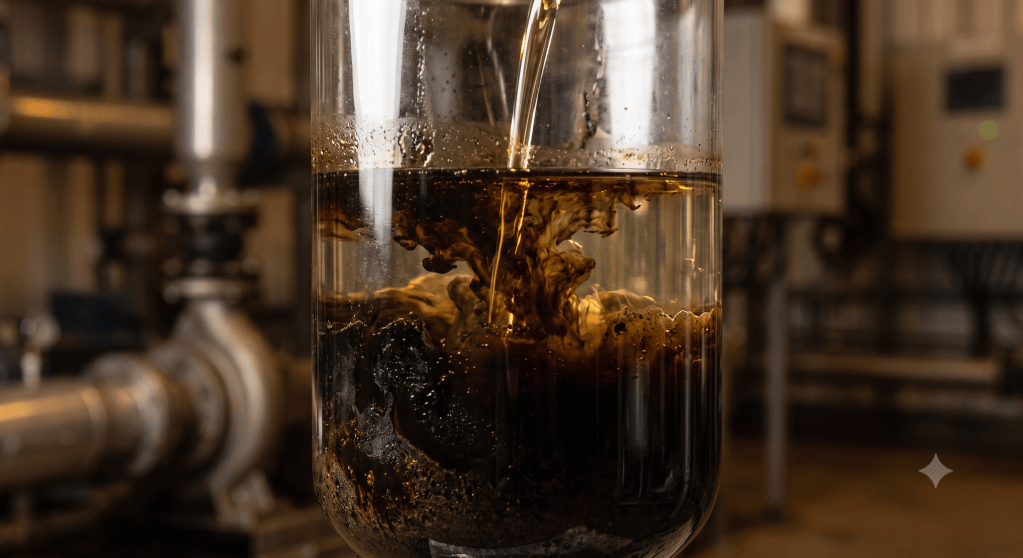
    5. The smartphones we hold and use every day are not simply an assembly of cutting-edge software. Looking inside, they represent the “essence of precision manufacturing,” where microscopic metal components operate tightly interlocked, allowing not even a 0.1mm margin of error.

      In the process of stamping out such small and intricate parts with high-speed presses thousands of times per minute, the key factor that dictates component quality and die lifespan is precision punching oil (stamping oil). We provide a detailed analysis of the major components that determine a smartphone’s perfection and the crucial role punching oil plays in their manufacturing processes.

      1. The Blood Vessels of the Smartphone, ‘Ultra-Micro Connectors and Terminals’ Dozens of connectors are situated on a smartphone’s motherboard, linking the display, camera, speakers, and more. The pins inside these connectors serve as the core pathways for transmitting electrical current.

      • Processing Difficulty: Connector pins primarily use highly conductive copper alloys. Since they are extremely small and densely spaced, even the slightest deformation during processing can lead to assembly defects.
      • Key Role of Punching Oil: High-performance punching oil instantly cools the frictional heat generated during pin machining to maintain dimensional accuracy. Furthermore, it contains special additives that prevent the oxidation and discoloration characteristic of copper materials, maintaining an optimal surface condition until the plating process to maximize electrical signal transmission.

      2. The Shield Against External Shock and Noise, ‘Shield Cans’ Core chipsets inside a smartphone must be protected from external electromagnetic interference (EMI). The thin metal covers that enclose these chipsets for this purpose are called shield cans.

      • Processing Difficulty: Shield cans are mainly manufactured from thin stainless steel (SUS) sheets. Due to the hard nature of the material, the cutting edges of the die can easily become dull during processing.
      • Key Role of Punching Oil: Punching oils formulated with extreme-pressure (EP) additives specialized for stainless steel processing form a robust lubricating film between the die and the material. This dramatically reduces die wear, extending its lifespan, while also suppressing the formation of rough burrs on the component edges to ensure perfect adhesion.

      3. The Pathway of Energy, ‘Battery Lead Tabs’ Lead tabs, which transmit the energy of lithium-ion batteries to the circuit, are components directly linked to safety.

      • Processing Difficulty: Extreme surface cleanliness is required, as they must not react with internal battery materials. If oil residues remain after processing, it can cause battery defects.
      • Key Role of Punching Oil: This is where highly volatile (vanishing) punching oil shines. It provides sufficient lubrication during processing and then evaporates into the air immediately afterward, leaving no residue. This eliminates the need for a separate cleaning process, reducing production costs and enhancing the product’s chemical reliability.

      4. The Aesthetics of the Exterior, ‘SIM Trays and Button Frames’ For exterior metal components that users touch and see, such as mobile phone SIM trays and button frames, aesthetics are just as important as functionality.

      • Processing Difficulty: Aluminum and titanium are commonly used materials, and they undergo anodizing (anodic oxidation) or painting processes after machining.
      • Key Role of Punching Oil: Precision punching oil fundamentally prevents microscopic scratches on the metal surface during processing. Furthermore, it is designed to be highly responsive to cleaning agents used in post-processing, acting as a premium base that helps plating layers adhere firmly without lifting.

      💡 Electronic Component Manufacturing Competitiveness Stems from ‘Dedicated Punching Oils’

      As the miniaturization and high performance of smartphone components accelerate, conventional industrial fluids inevitably reach their limits. Precision punching oils dedicated to electronic components offer the following differentiated values:

      • Ultra-gap Precision: Stability with no oil film breakdown even in the processing of ultra-thin sheets under 0.1mm.
      • Process Efficiency: Dramatic reduction in lead times thanks to wash-free and fast-drying properties.
      • Environmental and Regulatory Compliance: Securing export competitiveness by complying with global hazardous substance regulations such as RoHS.

      Ultimately, the best smartphones are perfected by the technology of a single drop of punching oil that protects the die and enhances the value of materials behind the scenes. If you are struggling with microscopic quality issues in your process, please contact us at Dyna Solution to check the suitability of the fluid you are currently using today.

      Dyna Solution Co., Ltd.
      Industrial Lubricant Solution

      E-Mail : dyna@dynachem.co.kr
      Web : dyna.co.kr/en/
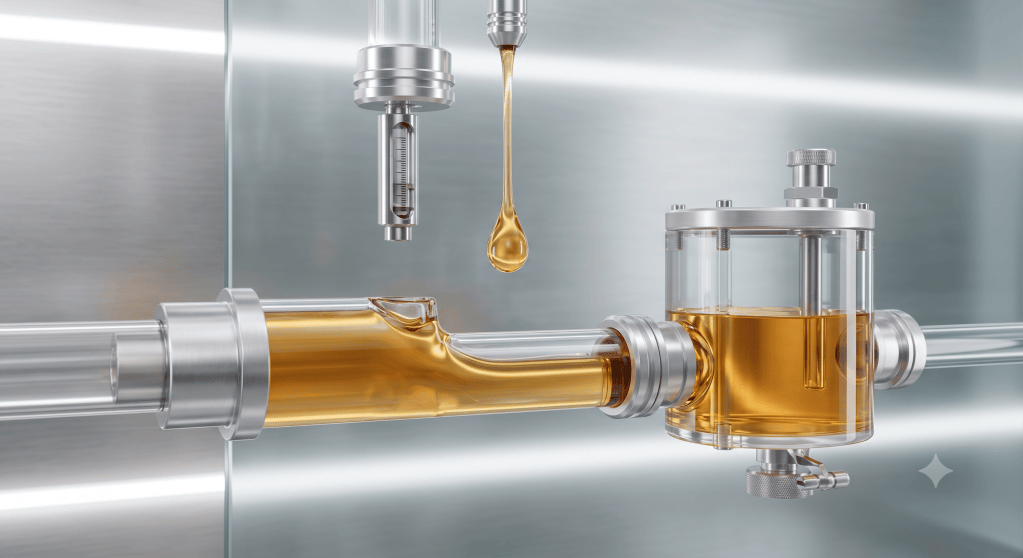
    6. Along with the rapid growth of the electric vehicle (EV) and energy storage system (ESS) markets, secondary battery manufacturing processes are becoming more sophisticated by the day. Just as important as the chemical technologies that increase battery capacity and charging speeds is the “precision machining technology” that guarantees yield and safety. ​ Among these processes, punching oil (also known as stamping fluid), which is essential for forming battery casings and core components, is the hidden protagonist that determines the final perfection of the battery. In today’s blog, we will take a closer look at the core role of punching oil in the secondary battery manufacturing process and the criteria for selecting the right product.​

      1. The Secondary Battery Process: Why is “Special” Punching Oil Needed?

      ​ Unlike general industrial press machining, secondary battery (especially lithium-ion battery) manufacturing lines are extremely sensitive to foreign substances and moisture. While effectively controlling the heat and friction generated when cutting and forming metals, the punching oil must not adversely affect the chemical reactions inside the battery. ​ ​

      2. Three Core Conditions of Punching Oil for Next-Generation Batteries

      ​ For flawless battery production, punching oil must pass the following strict criteria: ​

      • ① Perfect Volatility and Ultra-Low Residue This is the most crucial factor. If oil remains on the metal surface after machining, an additional cleaning process is required, which lengthens lead times. Furthermore, residue can react with the electrolyte, causing fires or performance degradation. Recently, fast-drying (volatile) punching oils that do not require a separate degreasing process have become the industry standard. ​
      • ② Excellent Cooling and Extreme Pressure (EP) Properties As battery components become smaller and thinner, the stress applied to the press die increases significantly. Oils containing excellent extreme pressure additives quickly control the high heat generated during machining and extend the lifespan of the die, thereby reducing downtime in continuous production lines. ​
      • ③ Prevention of Discoloration and Corrosion in Non-Ferrous Metals Due to the nature of secondary batteries, which primarily utilize non-ferrous metals like aluminum and copper, a special anti-rust design must be applied to the oil to prevent oxidation and discoloration. ​

      3. Key Processes Using Punching Oil in the Battery Industry

      1) Precision Punching of Lead Tabs

      Lead tabs are thin metal terminals made of aluminum and copper that connect the electricity from the cathode and anode to the outside.

      Role of Punching Oil: It prevents thin metal plates from sticking to the die (stick-slip phenomenon) during ultra-high-speed continuous press operations. Its most critical role is to smoothly treat the punched cut surface to suppress the generation of burrs (microscopic protrusions), thereby fundamentally eliminating the risk of internal short circuits caused by damage to the battery separator. ​

      2) Machining of Busbars and Module Connection Components

      A busbar is a core component that integrates and distributes power by connecting dozens to hundreds of battery cells together. They are primarily manufactured by punching and bending flat plates of copper (Cu) or aluminum (Al).

      Role of Punching Oil: It controls the immense frictional heat generated when punching copper or aluminum at high speeds. Since burrs or scratches on the cut surface can directly lead to power loss and fire hazards, high-performance punching oil is essential to provide excellent extreme pressure properties and improve the surface roughness of the cut.

      3) CID (Current Interrupt Device) and Safety Vents

      These are the ultimate safety mechanisms that prevent explosions by venting gas or physically interrupting the current when the internal pressure of cylindrical and prismatic batteries rises to dangerous levels.

      Role of Punching Oil: These components require engraving fine fracture lines (V-Notches) or performing ultra-precision punching on thin metals. Because dimensional tolerances must be controlled at the micrometer (㎛) level, ultra-low residue, high-precision lubricants that leave no debris on the die are absolutely required. ​

      ​High-Precision Punching Solutions Proposed by Dyna Solution

      ​ In an era where the performance of secondary batteries is being standardized at a higher level, the core of competitiveness now lies in the integrity of the manufacturing process. A single, invisible thin lubricating film withstands tens of thousands of press cycles and ensures the safety of the battery. ​ At Dyna, having accumulated extensive know-how in the field of precision punching, we are dedicating ourselves to researching next-generation lubrication solutions optimized for secondary battery machining. ​ In the highly advanced secondary battery ecosystem, we will propose the optimal solutions to elevate your process efficiency and product reliability to the next level.

      Dyna Solution Co., Ltd.
      Industrial Lubricant Solution

      E-Mail : dyna@dynachem.co.kr
      Web : dyna.co.kr/en/
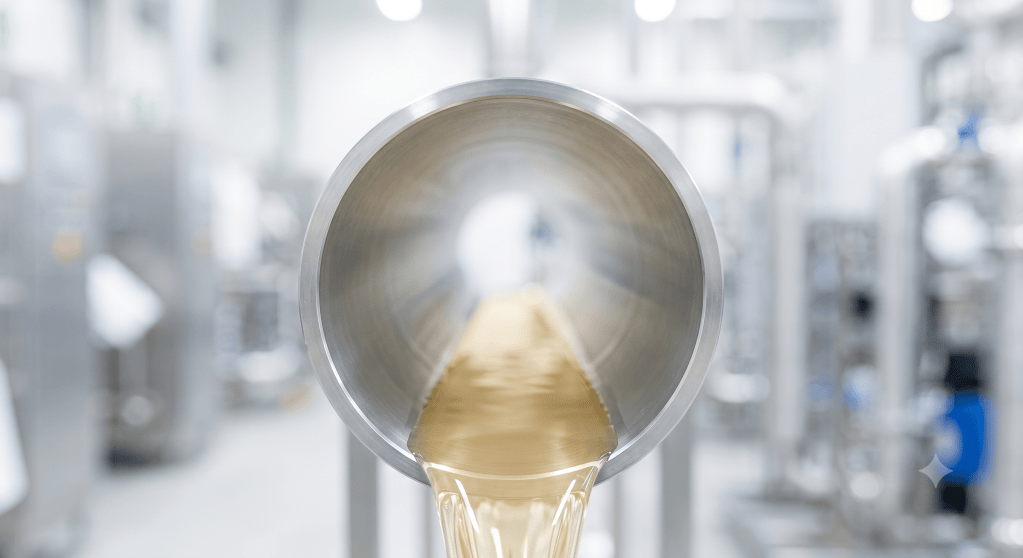
    7. Recently, the key themes in the home appliance, mobile, and semiconductor industries are undoubtedly miniaturization and high integration. In precision machining sites that handle ultra-thin materials under 0.1mm, there is a factor just as vital as the machine’s performance: Stamping Oil. This “invisible player” controls the friction between the mold and the material.

      Today, we will take a deep dive into why stamping oil is essential in the electronics and semiconductor industries and the core functions it performs.


      1. Core Functions: A Shield Protecting Molds and Materials

      Electronics component machining occurs at high speeds within extremely narrow clearances. In this environment, stamping oil plays three critical roles that determine process stability:

      • Formation of Extreme Pressure (EP) Lubrication Film When machining ultra-thin sheets (under 0.1mm), immense pressure is concentrated between the punch and the material. High-performance stamping oil forms a robust EP Film that does not break down even under extreme conditions, preventing mold wear and protecting the material from scratches.
      • Cooling and Prevention of Thermal Deformation Frictional heat generated during high-speed repetitive tasks can reduce mold hardness and cause minute dimensional changes in the material. Stamping oil quickly absorbs and dissipates this heat to maintain consistent machining precision.
      • Chip Evacuation and Cleaning Fine metal dust (chips) remaining in the mold can directly cause product defects. Stamping oil with excellent fluidity immediately flushes out these micro-chips, keeping the interior of the mold clean.

      2. Why Is It More Critical in the Ultra-Precision Industry?

      Unlike general metalworking, machining electronics and semiconductor parts is highly demanding due to its linkage with downstream processes.

      • ① Maintaining Precision of Micro-Terminals For components like connectors or lead frames, even a tiny dimensional error can cause fatal issues in electrical signal transmission. Inconsistent lubrication leads to uneven surface roughness, instantly turning expensive parts into scrap.
      • ② Efficiency in Cleaning (Vanishing Oil) Recently, Vanishing Oil (Volatile Stamping Oil) has gained popularity as it allows for the omission or simplification of the cleaning process. The residue evaporates on its own after machining, shortening lead times and preventing contamination issues in subsequent plating or assembly stages.
      • ③ Overcoming the Limits of Ultra-Thin Sheet Machining Thin sheets under 0.1mm can easily deform or twist even with minor frictional resistance. Specialized stamping oils for thin sheets feature low viscosity and high permeability, spreading quickly into the complex corners of the mold to ensure stable processing.

      3. Key Application Examples

      • Semiconductor Packaging & Mounting Components
        • Lead Frames: A core component connecting semiconductor chips to external circuits; high-performance stamping oil is used for precision machining around 0.1mm.
        • Substrate Masks for Solder Ball Attachment: Ensures the precision of the micro-hole punching process in semiconductor packaging.
      • Connectivity (Connectors & Terminals)
        • Micro Connectors: Machining fine pins for FPCB connections inside smartphones and tablets.
        • Automotive Electrical Terminals: Key terminals for transmitting high currents and signals in EVs and autonomous vehicles.
      • EMI Shielding & Protective Parts
        • Shield Cans: Machining thin metal covers to block electromagnetic waves generated by chipsets on PCBs.
        • Smartphone Brackets: Ultra-precision structures that form the internal skeleton of devices and secure components.

      4. Expected Benefits of Selecting High-Quality Stamping Oil

      Simply choosing the right stamping oil can lead to tangible results on the manufacturing floor:

      1. Extended Mold Life: Significantly reduces maintenance costs by delaying the replacement cycle of expensive precision molds.
      2. Increased Productivity: Maximizes equipment utilization by suppressing heat and noise during high-speed machining.
      3. Reduced Defect Rates: Improves surface finish and suppresses burr formation, leading to higher pass rates in final inspections.

      Conclusion

      As electronics and semiconductor technologies advance, the importance of underlying materials, components, and equipment (MCE) technology continues to grow. Stamping oil is more than just a consumable; it is a concentration of core technology that determines the perfection of ultra-precision machining.

      Selecting a high-performance stamping oil optimized for your specific process is the first step toward producing world-class, high-quality electronic components.

      We Dyna Solution continuously researches stamping oils perfectly suited for next-generation precision processes. If you are looking for a stamping oil that balances precision, cooling, and cleaning properties, experience the difference with Dyna Solution’s products.

      Dyna Solution Co., Ltd.
      Industrial Lubricant Solution

      E-Mail : dyna@dynachem.co.kr
      Web : dyna.co.kr/en/

    8. As manufacturing precision continues to reach new heights, Stamping/Punching Oil has evolved beyond a simple consumable. It is now a strategic element that determines both Product Quality and Process Cost.

      While oil selection in the past was limited to reducing die friction, in today’s era of ultra-precision machining, it must be viewed as a process partner that dictates quality design and production line economics.

      In environments where high-speed stamping occurs thousands of times per minute, selecting the wrong oil can lead to catastrophic risks—generating tens of thousands of defects (scrap) in just a few minutes of error. In short, stamping oil strategy is a critical decision-making factor that directly impacts a company’s manufacturing competitiveness and overall business impact.

      1. Electronics, Semiconductors & Secondary Batteries: “The Battleground for Zero-Residue Technology”

      In these industries, microscopic residues are an “absolute risk” that cause fatal defects in downstream processes such as plating, assembly, and electrolyte injection. Therefore, achieving Zero-Residue characteristics is the primary principle for ensuring manufacturing reliability.

      • Semiconductor Lead Frames: Requires stamping ultra-thin copper alloys (under 0.1mm) thousands of times per minute. High-performance, low-viscosity oils that evaporate quickly after processing while minimizing die wear are essential.
      • Secondary Battery Cases: When processing aluminum (anode) and copper (cathode) foils, preventing tears is vital. Controlling ionic cleanliness to prevent internal cell contamination is the key to quality.
      • Key Value: Adopting “No-clean, High-volatility Stamping Oils” that eliminate or simplify cleaning processes is synonymous with productivity. This provides an overwhelming advantage in Total Cost of Ownership (TCO) by removing the CAPEX and OPEX associated with operating cleaning lines.

      2. Automotive & EV: Optimizing Material Diversification and Mass Production Stability

      The transition to Electric Vehicles (EVs) has triggered an increase in non-ferrous metals to reduce vehicle weight. Technical advancement in stamping oils is required to manage the physical loads generated in harsh mass-production environments.

      • EV Motors and Structural Components: The proportion of aluminum alloys is rising for lightweighting. Extreme Pressure (EP) stability is crucial to prevent material scratches while managing the heat generated during the processing of high-strength steel sheets.
      • Key Value: In the automotive industry, processing stability goes beyond reducing defect rates; it is a business strategy to secure cost competitiveness by protecting expensive die assets and minimizing production downtime.

      3. Home Appliances & Electrical Components: Film Control Technology for Maximum Energy Efficiency

      In the appliance sector, micro-film control technology—which directly relates to energy efficiency ratings—is the new benchmark for competitiveness.

      • Motor Cores (Electrical Steel): In the lamination process where hundreds of steel sheets are stacked, inconsistent or thick oil films cause stacking errors (reduced Stacking Factor). This leads to Magnetic Flux Leakage during motor operation, increasing energy loss. Applying “Ultra-thin Film Control Technology” to improve lamination precision is a core technical factor in upgrading a motor’s Efficiency Class.
      • Air Conditioner Fins: Preventing die contamination and ensuring fast volatility during high-volume aluminum processing are direct drivers for maximizing productivity per unit of time by increasing Strokes Per Minute (SPM).
      • Key Value: Residue minimization technology allows for the perfect realization of physical design specifications, simultaneously achieving quality standardization and energy competitiveness.

      4. Aerospace: High-Difficulty Machining Solutions for Extreme Reliability

      The aerospace industry combines the difficulty of processing high-value materials (Titanium, Inconel) with the absolute value of aviation safety. Here, even a 0.1% machining error or a microscopic surface defect is unacceptable.

      • Engines and Propulsion Systems: Heat-resistant superalloys like Titanium and Inconel cause extreme die wear. High-performance Extreme Pressure (EP) formulation technology is a critical variable that determines success.
      • Airframe Structures (7075 Aluminum): When punching tens of thousands of rivet holes, the Surface Finish is directly linked to the aircraft’s Fatigue Life. Micro-scratches act as Stress Risers, which can cause structural cracks over time. The role of stamping oil in suppressing heat and forming smooth cross-sections is essentially the foundation of aviation safety.
      • Key Value: Adopting solutions that prevent material transformation and maintain superior surface quality is a mandatory choice to guarantee aerospace safety.

      Is Your Stamping Process Optimized?

      Most problems occurring in the stamping process stem from selecting oils without considering “industry-specific characteristics.”

      Dyna Solution provides more than just oil; we provide customized lubrication solutions optimized for your specific materials and equipment environment.

      If you are considering the introduction of stamping oils for 0.1mm ultra-thin processing or precision machining, we invite you to experience the advanced technological prowess of Dyna Solution firsthand.

      Dyna Co., Ltd.
      Industrial Lubricant Solution

      E-Mail : dyna@dynachem.co.kr
      Web : dyna.co.kr/en/

    9. Technical Spotlight: Precision Stamping Oil for Ultra-Thin Components

      From smartphones and wearables to semiconductors for electric vehicles (EVs), electronic components are becoming smaller and thinner every day. Today’s manufacturing floors require extreme precision, capable of punching ultra-thin plates (under 0.1mm) at speeds of thousands of strokes per minute.

      In these ultra-precision processes, the “invisible hero” that determines productivity and reduces defect rates is Precision Punching Oil. Here are the core technical reasons why you should choose specialized lubricants designed specifically for electronic components.

      1. Oil Film Control Technology: Breaking the 0.1mm Limit

      In ultra-thin stamping, the clearance between the die and the material is extremely narrow. Conventional punching oils often fail to withstand the intense pressure and frictional heat generated during high-speed operations, leading to oil film rupture.

      • The Technical Core: It is essential to maintain low viscosity while simultaneously forming a powerful Extreme Pressure (EP) Film that adheres strongly to the metal surface.
      • Expected Benefits: Maintaining a stable oil film drastically reduces wear on the mold’s cutting edge. This results in smooth cross-sections and minimizes burr formation, ensuring superior part quality.

      2. A Paradoxical Blend: Low Viscosity and High Performance

      Selecting the right viscosity is one of the most challenging aspects of electronic component manufacturing.

      • Why Low Viscosity? If excessive oil residue remains after processing, tiny components tend to stick together, or the subsequent cleaning process becomes unnecessarily long. Therefore, low-viscosity lubricants that flow as light as water are highly preferred.
      • The Solution: Generally, lower viscosity leads to decreased lubricity. However, high-performance precision punching oils utilize specialized synthetic base oils to minimize viscosity while maximizing lubrication. This ensures consistent quality even in ultra-high-speed press operations.

      3. Ensuring Electrical Integrity: Conductivity and Anti-Tarnish

      The primary materials for electronic parts—such as copper alloys and aluminum—are extremely sensitive to their environment. If the punching oil contains incompatible chemical agents, the material surface may appear fine initially but can oxidize or turn black over time.

      • Non-Staining Additives: Our precision punching oils include non-ferrous corrosion inhibitors specifically tailored to material properties.
      • The Impact: By preventing surface degradation, these additives improve the adhesion and reliability of post-processing steps such as plating or soldering, ultimately securing the long-term electrical reliability of the final product.

      마지막 세션까지 전문적인 기술 용어와 마케팅 감각을 살려 영문으로 번역해 드립니다. 특히 ‘휘발성 유제’를 ‘Vanishing Oil’ 또는 **’Evaporative Lubricant’**로 표현하여 산업 현장에서의 가독성을 높였습니다.


      4. Process Innovation: ‘Vanishing Oils’ for Wash-Free Manufacturing

      Recently, “process simplification” and “eco-friendliness” have become the biggest buzzwords in manufacturing. While many facilities still operate large-scale cleaning equipment to remove residual oil, high-performance evaporative (vanishing) punching oils change the game.

      • The Wash-Free Solution: These lubricants evaporate cleanly into the air after processing, leaving virtually no residue behind. This serves as a powerful competitive edge, allowing manufacturers to skip or significantly reduce the cleaning stage, thereby cutting electricity bills, solvent costs, and waste disposal expenses all at once.

      💡 Conclusion: Precision Punching Oil as a Core Strategy

      In the world of ultra-thin electronic component manufacturing, precision punching oil is more than just a lubricant—it is a strategic asset that hits two birds with one stone: “Mold Protection” and “Process Innovation.”

      In extreme processes involving materials under 0.1mm, micro-frictional heat and oil film rupture are the primary culprits that shorten mold life and degrade electrical reliability. High-performance precision oils prevent these issues at the source with a robust Extreme Pressure (EP) film, maintaining flawless quality.

      Furthermore, adopting volatile precision lubricants eliminates cumbersome cleaning steps, drastically reducing manufacturing costs (utilities, waste management) and resolving production bottlenecks.

      As electronic components continue to shrink and processing technologies advance, the role of punching oil—an essential auxiliary material—becomes increasingly vital.

      Are you looking for the next generation of precision punching oil?

      Contact us today. We will provide the optimal solution tailored specifically to your manufacturing process.

      Dyna Co., Ltd.
      Industrial Lubricant Solution

      E-Mail : dyna@dynachem.co.kr
      Web : dyna.co.kr/en/