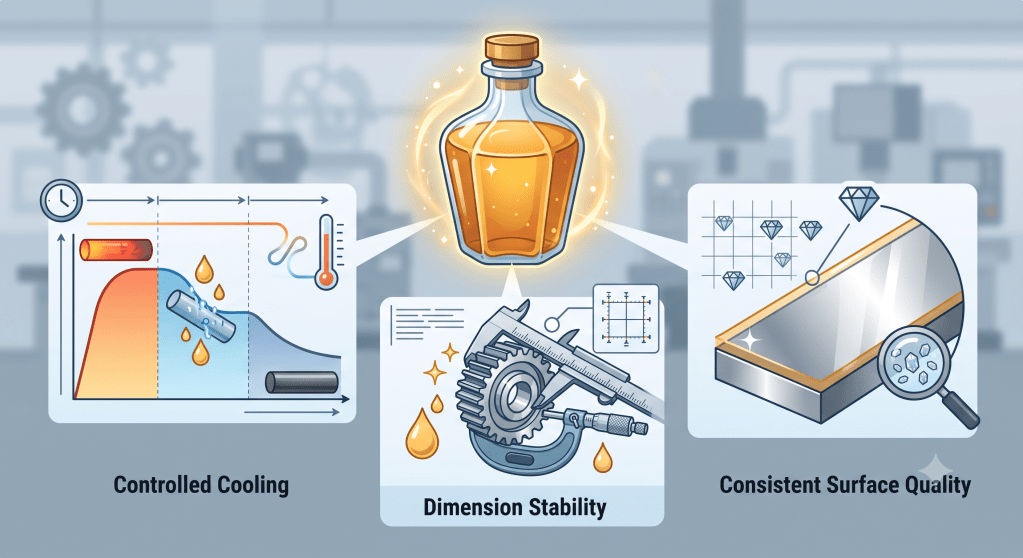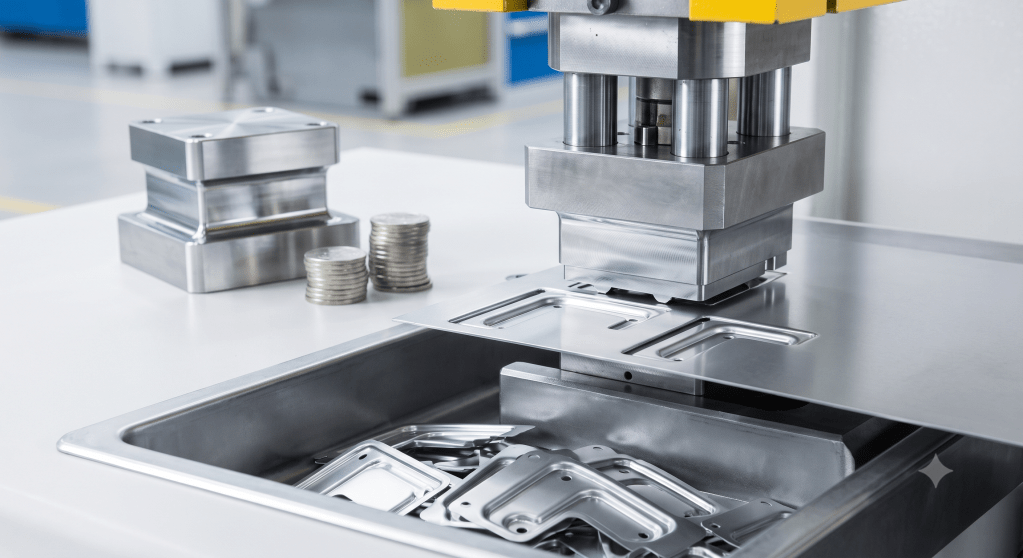
• The global wave of ESG (Environmental, Social, and Governance) management is rapidly changing the landscape of manufacturing sites. In the past, productivity and processing quality were the only top priorities, but now ‘eco-friendliness’ and ‘worker safety’ have become core indicators that determine the success or failure of factory operations.

    Amidst these changes, the most spotlighted consumable in recent press and punching operations is eco-friendly and odorless punching oil. In this article, we will take a detailed look at the trend of eco-friendly punching oil—which is leading a sustainable future in manufacturing—and explore why it should be adopted.

    1. Limitations of Conventional Punching Oils and On-Site Challenges

    The conventional volatile punching oils widely used in the field had the advantage of reducing post-cleaning processes thanks to their strong volatility. However, they carried the following critical issues:

    • Strong Odor and Harmful Substances: VOCs (Volatile Organic Compounds) generated during the evaporation process and the distinctive petroleum smell were major causes of respiratory diseases and headaches among workers.
    • Fire and Explosion Risks: Due to their generally low flash points, there was a high risk of fire accidents triggered by small sparks or high-temperature work environments.
    • Pressure from Environmental Regulations: As air pollution and waste disposal standards tighten, regulatory pressure from the government and B2B buyers against the continued use of existing oil-based products is intensifying.

    2. Why Eco-Friendly, Odorless Punching Oil is the Mainstream Trend

    Next-generation punching oils, which are recently being developed and introduced, perfectly address these on-site challenges and are setting new ESG standards for the manufacturing industry.

    • An Odorless Work Environment: The most immediately noticeable change is the “smell.” By heavily refining aromatic compounds or utilizing plant-based raw materials, these oils generate almost no odor, even inside enclosed factories. This is a crucial factor in increasing worker job satisfaction and lowering turnover rates.
    • Greatly Enhanced Worker Safety: Eco-friendly punching oils are designed with high flash points in mind from the development stage. Their high flash point characteristics make them less prone to ignition, drastically reducing the risk of fire from friction heat generated during high-speed press processing.
    • Compliance with Chemical Regulations and Certifications: Most of these products have passed stringent environmental standards, such as Europe’s REACH or Korea’s Chemicals Control Act. By using certified eco-friendly products, small and medium-sized enterprises (SMEs) can gain a competitive edge during supply chain due diligence by global corporations.

    3. Expected Benefits for Manufacturers

    The concern that “eco-friendly products are expensive and underperforming” is a thing of the past. Thanks to technological advancements, modern eco-friendly and odorless punching oils capture both economic efficiency and productivity.

    In fact, their excellent lubricity reduces mold wear, cutting down long-term consumable costs. Furthermore, they significantly reduce the subsequent degreasing (cleaning) step, thereby increasing overall process efficiency.

    4. Practical Tips for a Successful Transition

    To successfully introduce eco-friendly punching oil to your factory, there are a few things to verify:

    1. Compatibility Testing by Material: It is essential to conduct a preliminary sample test to ensure no discoloration or corrosion occurs depending on the type of metal being processed (e.g., aluminum, stainless steel, copper).
    2. Checking Evaporation Speed: You must verify if the oil’s volatility matches the speed of your processing line to ensure no residue is left on the parts after processing.
    3. Verifying the MSDS (Material Safety Data Sheet): Before making a purchasing decision, carefully compare the MSDS documents to confirm that the product is indeed an eco-friendly option free of harmful substances.

    Conclusion: A Matter of Survival, Not Choice

    Eco-friendly management is no longer just a “gold star” for improving a company’s image. It is an essential survival strategy for the manufacturing industry to participate in the global supply chain and overcome the high barriers of environmental regulations.

    If you want to change the factory air you breathe every day, protect your site from fire risks, and prove your eco-friendly manufacturing competitiveness to buyers, now is the time to reevaluate your punching oil.

    Eco-friendly manufacturing competitiveness is now a necessity, not an option.

    If you are curious about our fast-evaporating and odorless eco-friendly punching oils, please feel free to contact us at Dyna Solution at any time.

    Dyna Solution Co., Ltd.
    Industrial Lubricant Solution
    E-Mail : dyna@dynachem.co.kr
    Web : dyna.co.kr/en/
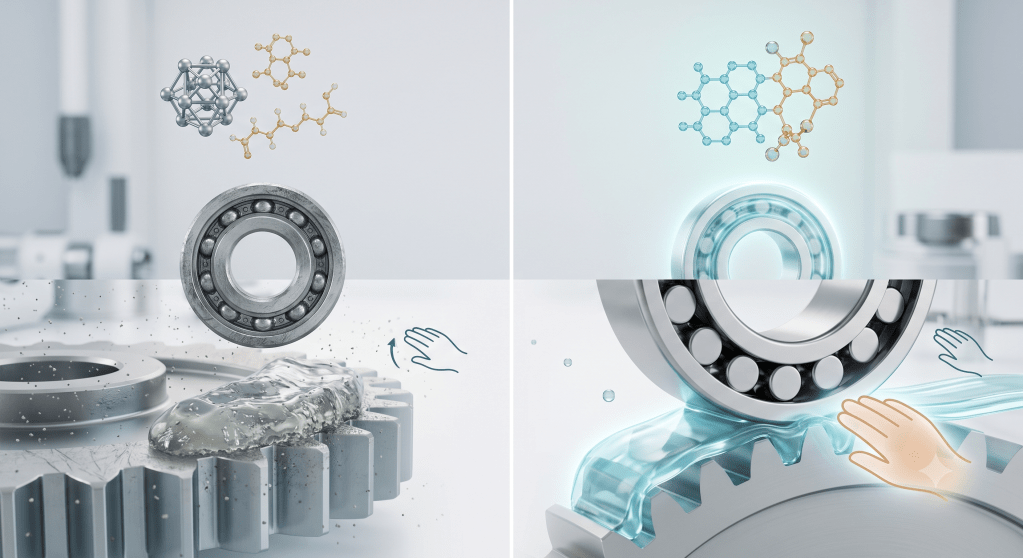
  • Do you know the hidden contributor that determines the lifespan and yield of equipment in the semiconductor, display manufacturing, and industrial robotics sectors? It is none other than ‘Lubricating Grease’, which prevents component wear in extreme environments.

    However, industries have long struggled to find the perfect lubricant. Today, we will explore the necessity and innovative technology of ‘Responsive Fluorine Grease,’ which has emerged to solve this very challenge.

    1. Why is it so Difficult to Make the Perfect Lubricant?

    Traditionally, the base oils used for lubrication in industrial fields are largely divided into ‘fluorine-based’ and ‘mineral/synthetic-based’ oils. Both have distinct, powerful pros and cons.

    • Features of Fluorine-Based Oil: Excellent at withstanding high-temperature and high-load environments, boasting outstanding wear resistance. However, it has a critical drawback: relatively low durability against rolling motion and a high friction coefficient.
    • Features of Mineral/Synthetic-Based Oil: Excellent durability against rolling motion and a relatively low friction coefficient. On the other hand, it is vulnerable to high temperatures and heavy loads, lacking sufficient wear resistance.

    Then, shouldn’t we simply combine the advantages of these two materials? Unfortunately, due to the exclusive chemical nature unique to fluorine components, physically mixing the two is extremely difficult. Simple mixed-type greases created by forced blending often separate over time and lose their functionality.

    2. A New Paradigm: The Birth of ‘Responsive Fluorine Grease’

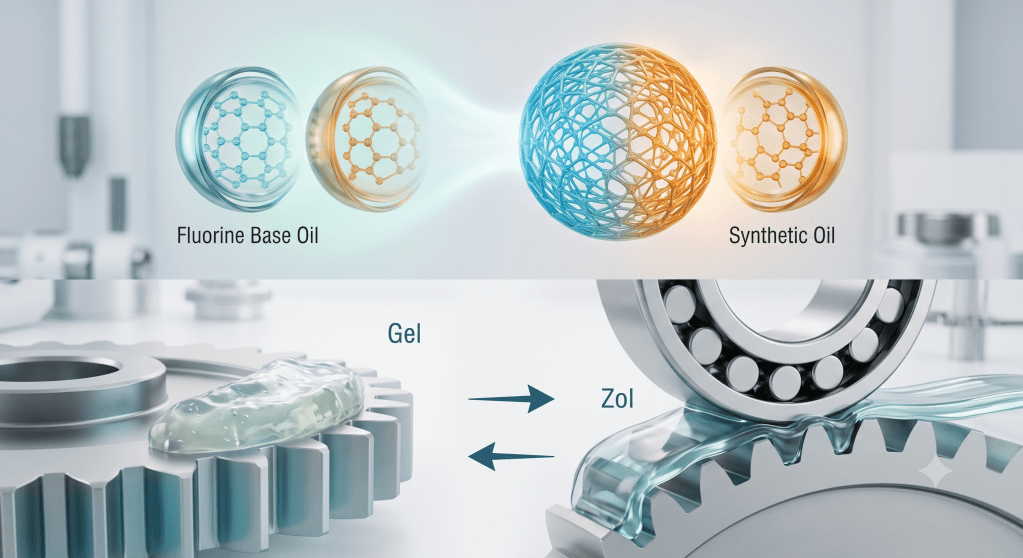
    To overcome the limitations of such physical mixing, ‘Responsive Fluorine Grease (Responsive Fluorine Base Oil)’ was introduced.

    The core of this technology is combining fluorine base oil and synthetic oil into a single, perfect structure through a chemical synthesis reaction. The resulting responsive fluorine base oil possesses very smart properties. When pressure is applied to the lubricating surface, it smoothly acts as a lubricant in a liquid (Sol) state, and when the pressure is released, it reversibly returns to a solid (Gel) state.

    3. Fundamentally Blocking the Troublesome ‘Oil Separation’ Problem!

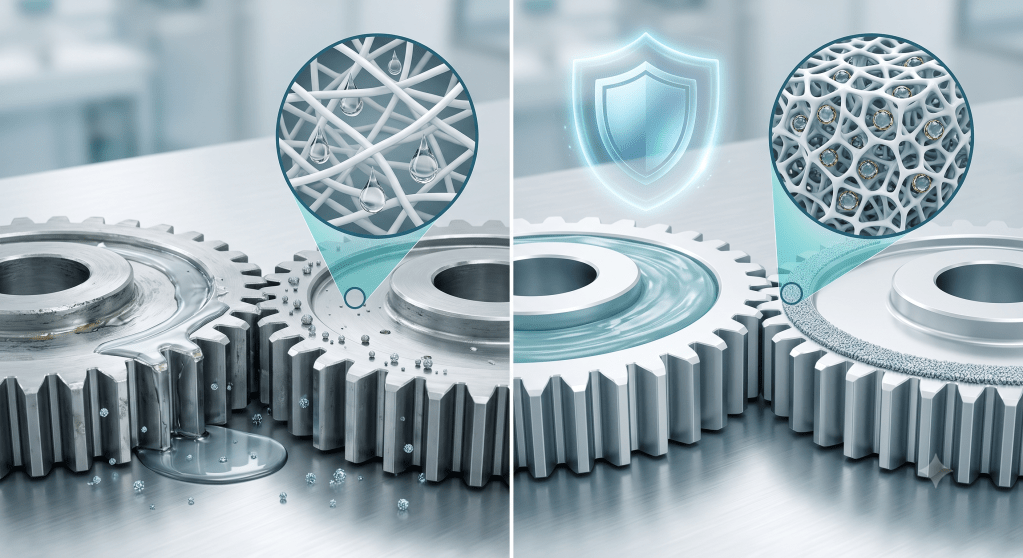
    In a precision cleanroom environment, the most critical thing to avoid is the so-called ‘Oil Separation (Bleeding)’ phenomenon, where the lubricating base oil separates and drips from the grease. When the base oil breaks away, components suffer extreme wear, and the dripping oil turns into a fine mist that triggers particle generation—a core cause of product defects.

    To solve this, responsive fluorine grease introduces an innovative ‘complex thickener (acting as a sponge)’. It overcomes the shortcomings of conventional simple lithium soap (Li-soap) thickeners and perfectly prevents the separation of the lubricating base oil.

    Furthermore, to prevent wear at the interface, the particle size of the fluororesin polymer is configured at an ultra-fine nano (nm) scale rather than the conventional micron (µm) scale, effectively preventing metal fatigue caused by micro-vibrations or concentrated loads.

    4. Overwhelming Performance Indicators: Extending Equipment Lifespan and Reducing Defects

    Responsive fluorine grease, where chemical bonding meets nanotechnology, is demonstrating immediate and overwhelming performance differences in industrial fields.

    • Innovative Reduction in Friction Coefficient: While the friction coefficient of conventional metal soap-based and simply mixed fluorine greases was around 0.07~0.15, responsive fluorine grease has drastically improved this to the 0.02~0.04 level.
    • Meeting Ultra-Clean Environment (ISO Class 3) Standards: Lower surface energy prevents particles from adsorbing or scattering. In actual bearing particle generation tests, the generation rate dropped to less than 10% compared to existing products, boasting extreme cleanliness.

    5. Conclusion

    Once considered a simple consumable, ‘grease’ is now recognized as a core technology that determines the performance and lifespan of cutting-edge industrial equipment. Moving beyond the past when the industry had to rely entirely on imports from overseas, ‘Responsive Fluorine Grease,’ born from proprietary synthesis technology, will serve as a new solution for cost reduction and yield improvement in the semiconductor, display, and robotics industries.

    Dyna Solution Co., Ltd.
    Industrial Lubricant Solution
    E-Mail : dyna@dynachem.co.kr
    Web : dyna.co.kr/en/
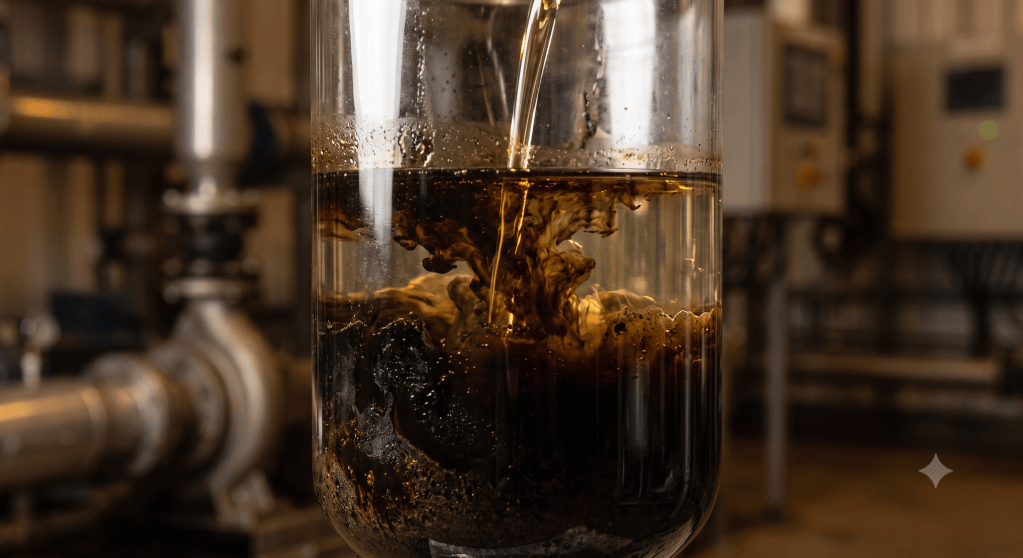
  • In the past, “low cost” was considered the ultimate virtue for EDM fluids on the mold machining floor. It was common practice to purchase them in bulk by the drum, use them until the oil turned pitch black and emitted a foul odor, and then dispose of them to refill with fresh oil. This role was predominantly filled by “Mineral Oil” products, which are refined from crude oil.

    However, the landscape has completely transformed with the advent of the ultra-precision, high-end machining era. Today, a mere 0.001mm margin of error is unacceptable for applications like ultra-thin smartphone components, medical devices, and secondary battery molds. To accelerate machining speeds while achieving a mirror-like surface finish, forward-thinking manufacturing companies are staying a step ahead by completely transitioning to “Synthetic EDM Fluids.”

    Regarded not simply as an oil, but as the culmination of advanced chemical technology, do synthetic EDM fluids truly offer benefits powerful enough to offset their higher initial purchase costs?

    Here are 3 crucial reasons every field engineer and executive must know.

    To achieve this, the fluid must have a water-like, low viscosity. However, mineral oils suffer from a fatal contradiction: lowering their viscosity drastically drops their flash point (the temperature at which they ignite), which severely increases the risk of fire.

    Synthetic EDM fluids are engineered through a highly advanced chemical synthesis process that completely eliminates impurities and uniformly restructures their molecular makeup.

    • They achieve an ultra-low viscosity capable of instantly flushing away machined chips, while
    • Simultaneously maintaining a high flash point (typically above 80°C) to keep the factory and operators safe from fire hazards.

    Thanks to this perfect balance, machining speeds (cycle times) increase dramatically, and defect rates caused by secondary electrical discharges plummet.

    2. Overwhelming Oxidation Stability: More Than Doubling the Lifespan of Oil and Filters

    Here is the English translation, maintaining the professional, engaging, and highly readable tone of a technical blog:

    Inside an EDM machine, electrical sparks reaching thousands of degrees continuously erupt. Conventional mineral oils cannot withstand this extreme heat; their molecular structure breaks down, leading to rapid degradation. The oil turning black, becoming sticky, and filling with floating sludge are the exact evidence of this.

    On the other hand, synthetic fluids, with their tightly knit and stable molecular structure, boast exceptional Oxidation Stability.

    • Even under severe thermal stress, they do not lose their inherent properties and maintain a crystal-clear state for a long period.
    • They possess excellent settling properties that quickly sink sludge to the bottom, drastically reducing the clogging of expensive filtration filters.

    As a result, the fluid replacement cycle and filter purchasing costs are significantly reduced, making it far more economical from a long-term TCO (Total Cost of Ownership) perspective.

    3. ESG Management and Operator Protection: An Odor-Free, Pleasant Work Environment

    The nauseating oil stench typical of EDM rooms and the skin rashes (dermatitis) caused by contact are among the biggest reasons field operators avoid the EDM process. This is primarily due to aromatic compounds—such as benzene and toluene—and various impurities lingering in mineral oils.

    Synthetic EDM fluids, however, are high-purity, environmentally friendly fluids that contain no harmful carcinogens or irritating compounds.

    • They generate virtually no headache-inducing odors.
    • The volume of harmful mist and smoke emitted during high-temperature machining is remarkably low.

    This goes far beyond simply providing a pleasant workspace; it is the most definitive investment you can make to protect the health of your on-site operators and ultimately boost productivity.

    💡 An invisible oil film determines the yield of ultra-precision machining.

    To break through the limits of ultra-precision mold machining, elevating the standard of your “EDM fluid”—the very stage where machining happens—is just as crucial as the machine’s own performance. Even if the initial adoption cost is slightly higher than that of mineral oils, the combined benefits of accelerated machining speeds, reduced electrode wear, and slashed costs for waste oil disposal and filter replacements guarantee a definitive ROI (Return on Investment) that will more than pay for itself within a single year.

    Backed by over 30 years of accumulated metalworking fluid technology and expertise in Gimhae, Gyeongnam, Dyna Solution Co., Ltd. delivers premium synthetic EDM fluid solutions perfectly optimized for South Korea’s mold manufacturing floors. If you are struggling with frequent fire hazards, sluggish machining speeds, and severe odors, now is the time to fundamentally transform your factory’s operations with Dyna Solution’s high-performance synthetic lineup.

    Dyna Solution Co., Ltd.
    Industrial Lubricant Solution
    E-Mail : dyna@dynachem.co.kr
    Web : dyna.co.kr/en/
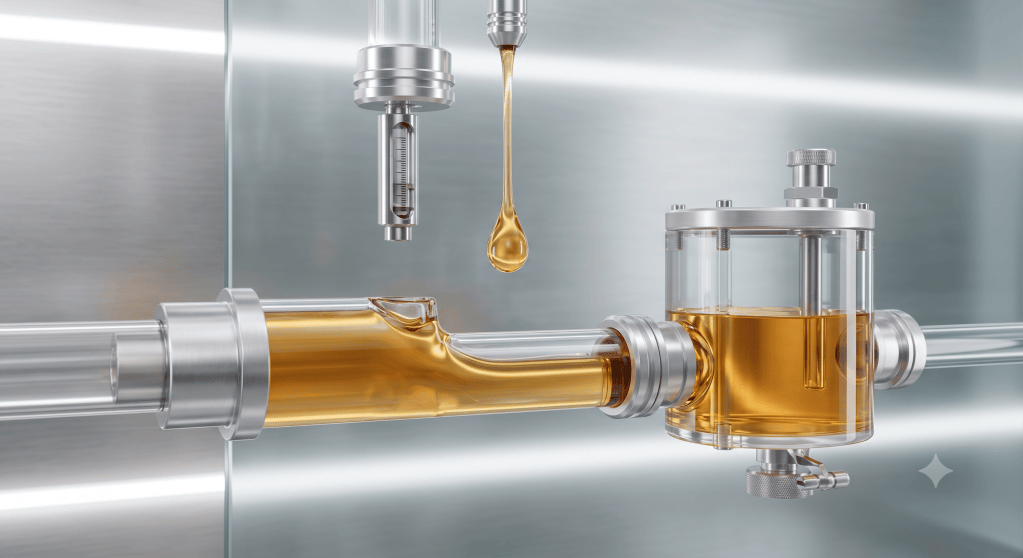
  • Hello! If you deal with Electrical Discharge Machining (EDM) in the precision machining field, you already know that your choice of “dielectric fluid” impacts the machining results just as much as the quality of your equipment or electrodes.

    If you think of it merely as a coolant and use just any oil, you may experience slower machining speeds, poor surface finishes, and even fire hazards. Today, we will break down the essential criteria you must check when selecting an EDM fluid for successful operations.

    1. What Exactly Does EDM Fluid Do?

    Before diving into the selection criteria, it is crucial to understand exactly what EDM fluid does on the shop floor.

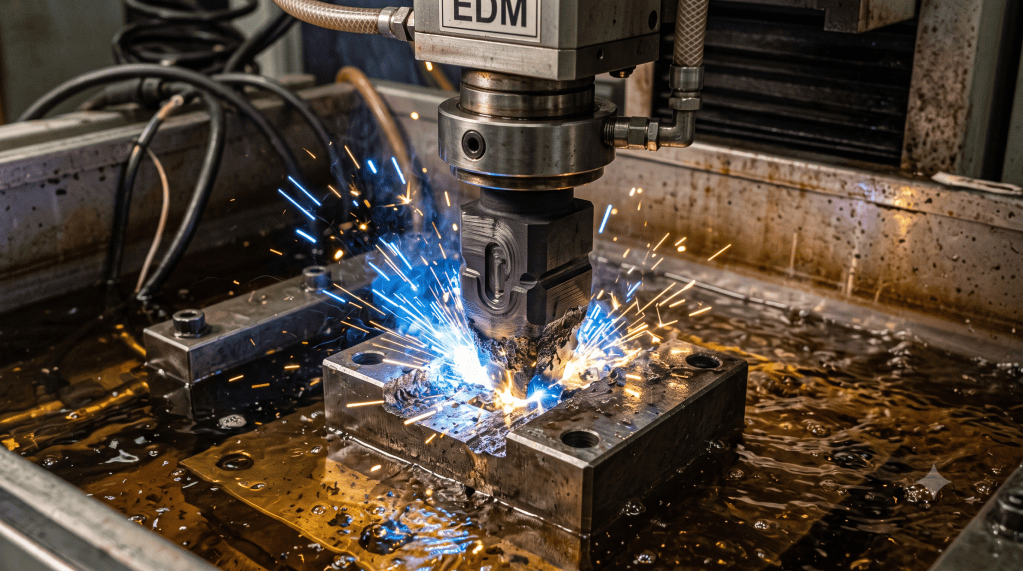
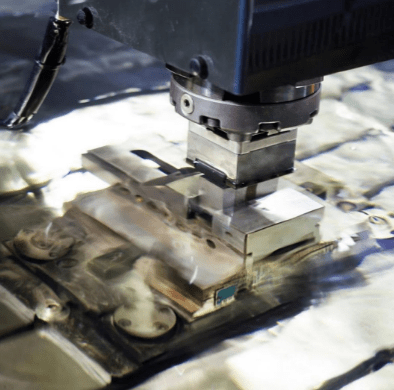
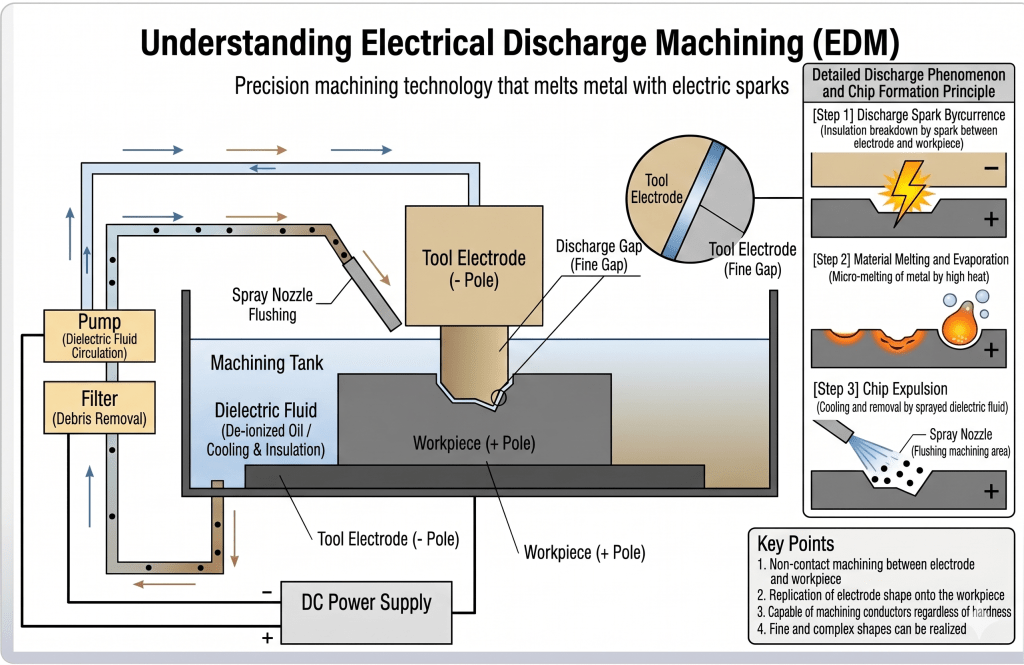
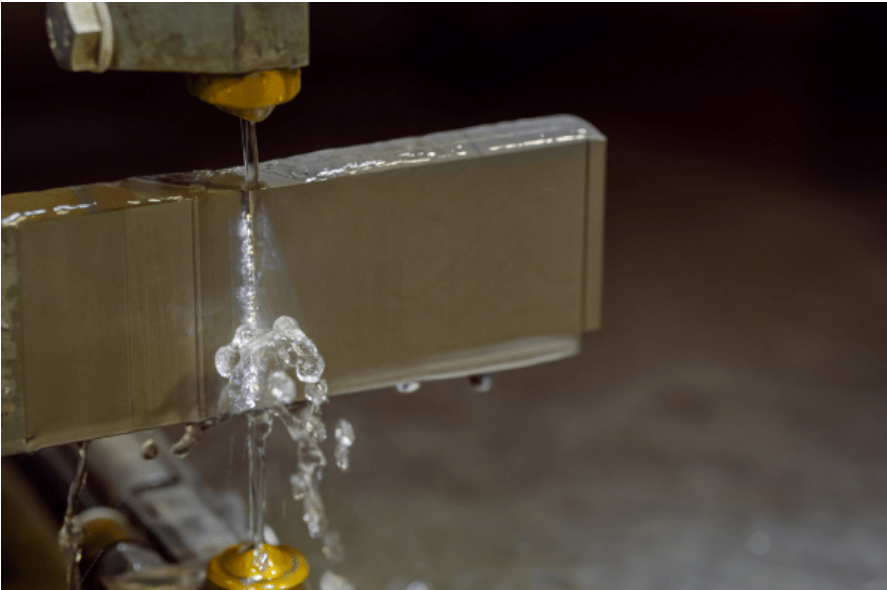
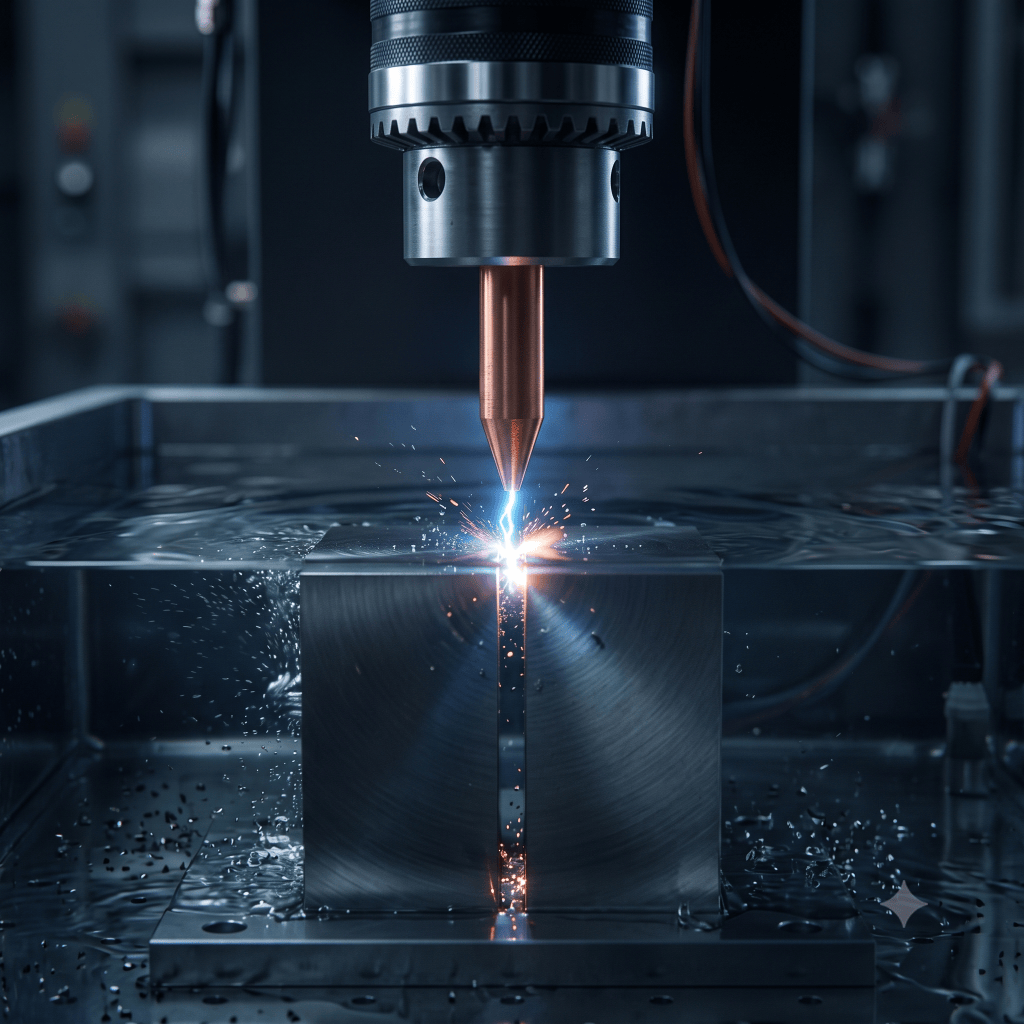
    • Insulation and Discharge Induction: It typically acts as an insulator, preventing electricity from flowing. Only when the distance between the electrode and the workpiece becomes extremely close does it momentarily break down the insulation to create a spark (discharge).
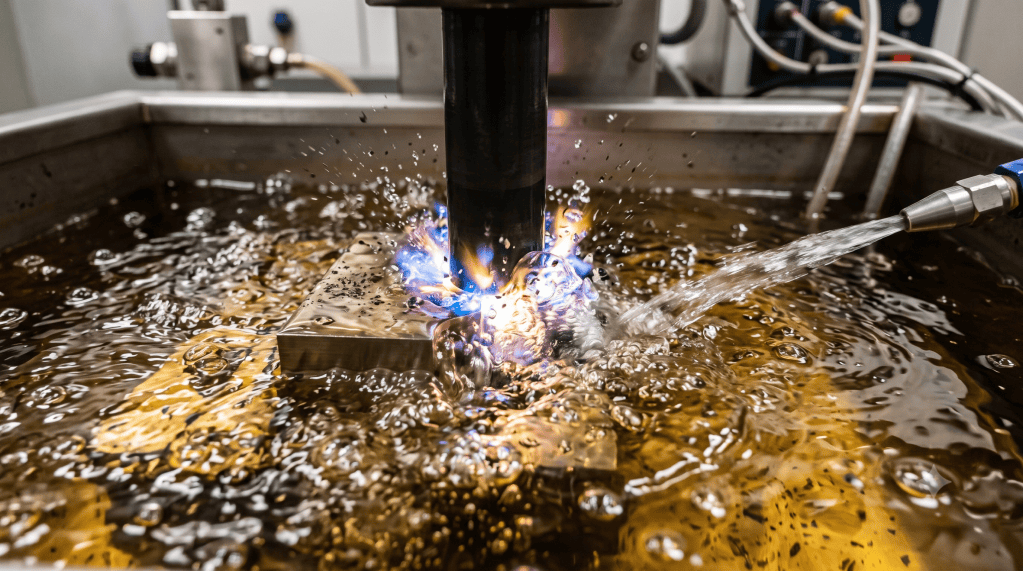
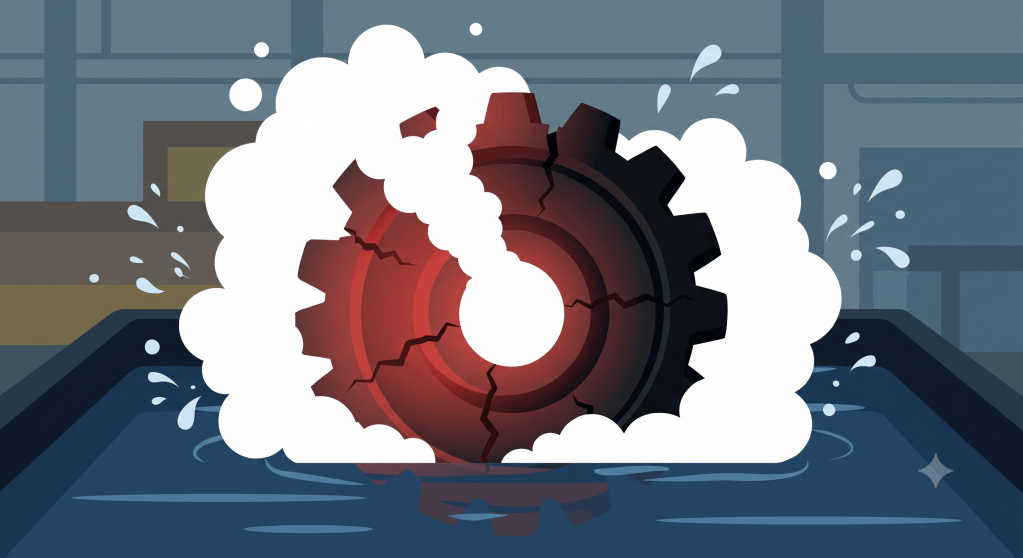
    • Powerful Cooling Effect: When discharge energy reaching thousands of degrees is generated, it rapidly absorbs the surrounding heat, preventing thermal deformation of the electrode and the workpiece.
    • Chip (Sludge) Flushing: It washes away the fine metal debris melted by the discharge from the machining area, preventing secondary discharges or short circuits.

    2. The 4 Essential Checklists for Selecting EDM Fluid

    So, how should you choose the perfect EDM fluid for your site? Carefully compare the following four specifications:

    1) Viscosity: The Core Factor Determining Machining Characteristics Viscosity refers to the thickness or stickiness of the oil. You must choose the appropriate viscosity based on your machining purpose.

    • Low Viscosity: Advantageous for machining narrow gaps or complex shapes. Its excellent fluidity quickly flushes out fine chips, making it suitable for finishing operations or micro-hole machining.
    • High Viscosity: Advantageous for roughing operations with high discharge energy. It excels at lifting and flushing out larger chips and is economical due to its lower evaporation rate.

    2) Flash Point: Directly Linked to Workplace Safety The flash point is the lowest temperature at which the oil vapor will ignite when exposed to a spark.

    • Since EDM inherently involves generating sparks, choosing a product with a high flash point significantly reduces the risk of fire. (The recent trend is to use high-flash-point EDM fluids of at least 70°C, and preferably over 100°C for optimal safety.)

    3) Oxidation Stability: Reducing Maintenance Costs When machining fluid is continuously exposed to high-temperature discharge heat and oxygen, it gradually oxidizes and forms sludge.

    • Products with excellent oxidation stability degrade less over extended use, allowing for longer oil change intervals.
    • It reduces filter clogging, significantly decreasing maintenance costs and operator fatigue.

    4) Work Environment (Odor and Skin Irritation) Since operators must work closely with it all day, human-friendliness is extremely important.

    • Low/No Odor: Choose a product with low Volatile Organic Compound (VOC) emissions to avoid headache-inducing smells.
    • Minimized Skin Irritation: Highly refined oils free from impurities and aromatic compounds should be used to prevent operator skin issues like dermatitis.

    3. Mineral Oil vs. Synthetic Oil: Which Should You Use?

    • Mineral Oil: A traditional machining fluid made by refining crude oil. It is inexpensive and widely used for general-purpose machining, but it tends to have a shorter lifespan and can be more susceptible to oxidation compared to synthetic oils.
    • Synthetic Oil: A premium machining fluid chemically synthesized to gather only the properties optimized for EDM. While more expensive upfront, it boasts a very long lifespan, exceptional machining precision, and significantly improves the work environment, making it highly cost-effective from a long-term perspective.

    Summary and Conclusion

    Selecting the right EDM fluid ultimately depends on whether your factory’s main focus is roughing or finishing, and how much you prioritize safety and the work environment.

    Rather than simply looking for the oil with the lowest price per liter, we hope you choose the optimal EDM fluid by considering the overall benefits: improved machining precision, extended filter life, and operator health protection.

    We hope this guide helps elevate the machining quality on your shop floor to the next level! If you have any further questions about specific brands or product lines, please feel free to ask anytime.

    Dyna Solution Co., Ltd.
    Industrial Lubricant Solution
    E-Mail : dyna@dynachem.co.kr
    Web : dyna.co.kr/en/

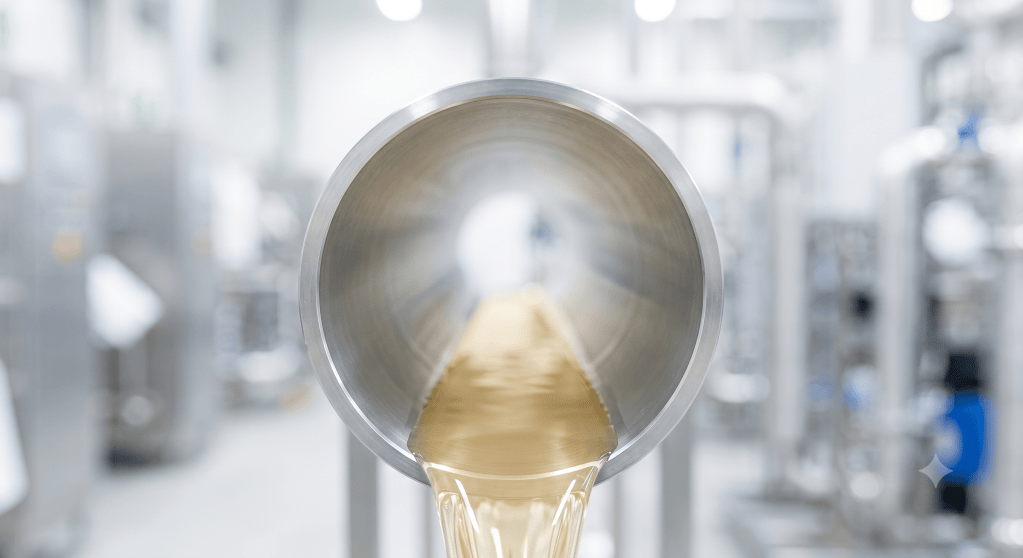
  • In cost-reduction meetings at mold machining factories, one of the very first targets is often “consumables.” Among these, oils purchased by the drum seem to offer noticeable cost savings even with just a slight drop in the price per liter.

    Because of this, many workplaces often opt for cheaper products under the assumption that “all EDM fluids are pretty much the same.” However, lurking behind those low price tags are terrifying “hidden costs” that eat away at the factory’s overall productivity. Today, we will uncover exactly how cheap EDM fluid betrays us on the shop floor and explore the three critical reasons behind it.

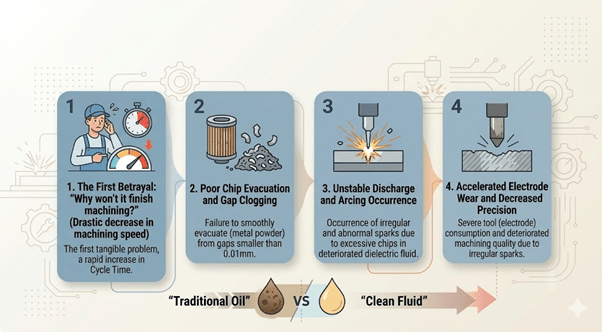
    1. The First Betrayal: “Why is the machining taking so long?” (A Sharp Drop in Machining Speed)

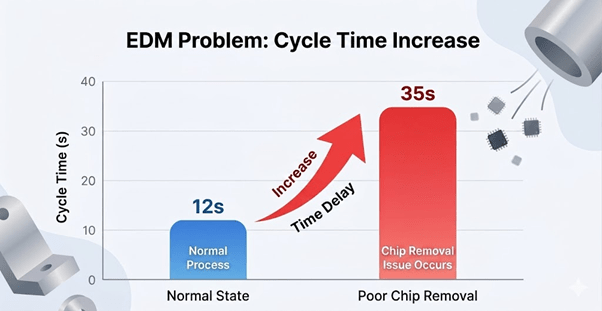
    The increase in cycle time is the most immediately noticeable problem. Electrical Discharge Machining (EDM) is a precise process where continuous chip (metal dust) removal from gaps smaller than 0.01mm is required. Low-cost oils cause specific issues, including:

    • Poor flushing: The oil cannot maintain stable viscosity or penetration is low, resulting in chips remaining in the machining area.
    • Machine idling (jumping): When chips cannot escape, the discharge gap becomes unstable, causing the machine to repeatedly stop sparking and lift the electrode (a ‘Jumping’ motion).

    In the end, the machine’s speed fails to reach 100% as hesitation time increases. Although a small amount might be saved on cheap oil, machining time increases by 20–30%, leading to the wasting of high depreciation costs of expensive EDM machines and operator labor costs.

    2. The Second Betrayal: “Penny-Wise, Pound-Foolish” (Shortened Consumable Replacement Cycles)

    Cheap EDM oils often rely on low-quality base oils or lack essential additives, which significantly degrades their “settling ability”—the capacity to allow sludge and debris to sink to the bottom. This triggers the following chain reaction of financial losses:

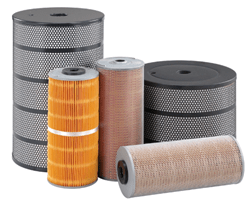
    ·  Filter Clogging: Fine chips floating in the fluid rapidly clog the machine’s filter. If a filter meant to last six months has to be replaced every two to three months, whatever money you saved on the oil is entirely wiped out by the cost of new filters.

    ·  Increased Electrode Wear: If a spark occurs while chips are still trapped in the gap, secondary discharges strike in unintended areas. This unevenly eats away at copper or graphite electrodes—which can cost hundreds of thousands to millions of won—effectively cutting their lifespan in half.

    3. The Third Betrayal: “We have to cut it all over again!” (Quality Defects and Rework)

    In mold machining, the most agonizing loss is a “defect.” Low-quality EDM fluids have inconsistent dielectric (insulating) properties, meaning that sparks fail to ignite precisely at the intended time and location.

    • Poor Surface Finish (Pitting): Pockmarks (pitting) appear on mold surfaces that are supposed to be as smooth as a mirror.
    • Dimensional Errors: In precision-critical molds, minute dimensional deviations occur, leading to situations where components fail to assemble.

    Ultimately, this adds a tremendous amount of extra time to the polishing (finishing) process, or in the worst-case scenario, leads to a catastrophic disaster where expensive mold materials must be scrapped and re-machined entirely from scratch.

    Conclusion: EDM Fluid is About ‘Productivity,’ Not ‘Cost’

    Looking strictly at the immediate price per liter, cheap oil may seem attractive. However, when you calculate the Total Cost of Ownership (TCO)—which includes increased machining time, the cost of filter and electrode replacements, and rework expenses—low-end oil is never the cheaper choice.

    A proper EDM fluid must meet the following conditions:

    • Water-like, ultra-low viscosity to instantly flush out chips.
    • A safe, high flash point to prevent fire hazards.
    • Excellent settling properties that quickly sink debris to extend filter life.

    No matter how much you optimize your EDM machine settings, if efficiency does not improve, you must immediately question the quality of the oil in your equipment. True cost savings in a factory begin with finishing machining ‘the fastest, without defects,’ by using the highest quality fluid.

    Dyna Solution Co., Ltd.
    Industrial Lubricant Solution

    E-Mail : dyna@dynachem.co.kr
    Web : dyna.co.kr/en/

  • There is a common misconception when handling lubricants on the mold machining shop floor: the belief that “oil must always be thick and highly viscous to protect molds effectively.” For processes using general stamping or press oils, this might be true to some extent, as a strong oil film prevents physical friction.

    However, in Electrical Discharge Machining (EDM)—a process that precisely shapes metal using electricity—this conventional wisdom is completely turned on its head. To get straight to the point, if the viscosity of EDM fluid is unnecessarily high, it actually drags down machining speeds and becomes the primary culprit behind critical quality defects. Let’s fact-check exactly why this happens.

    1. EDM is not ‘physical friction,’ but an ‘electrical explosion.’

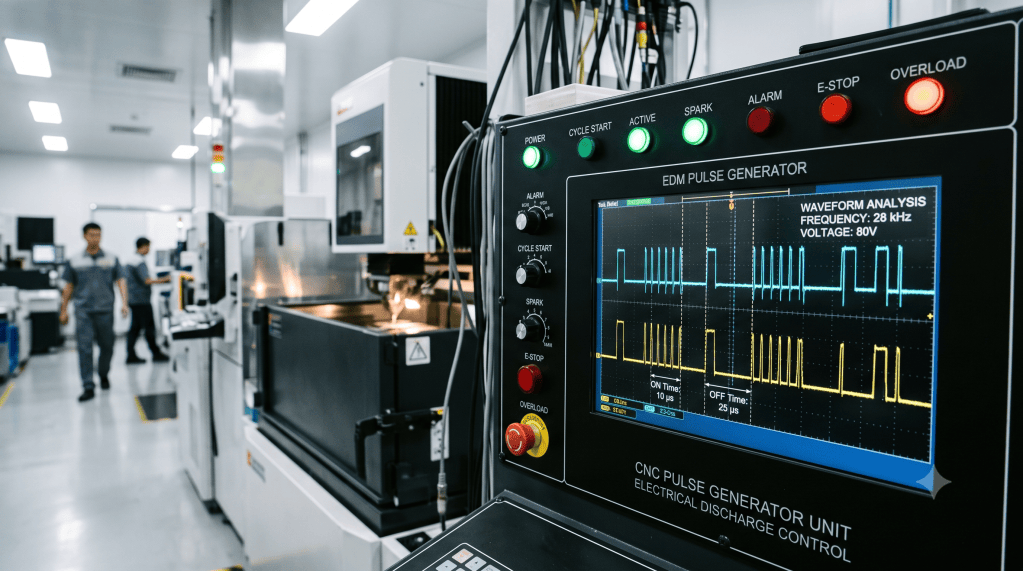
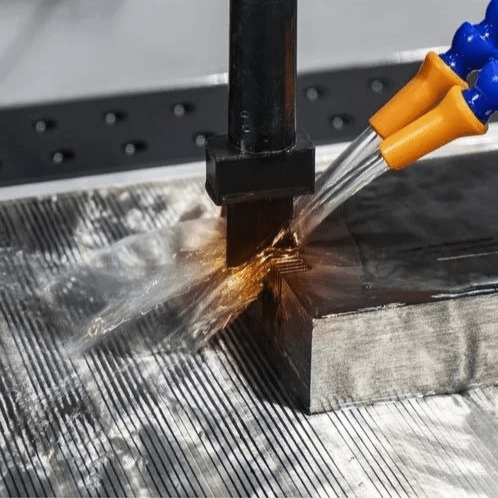
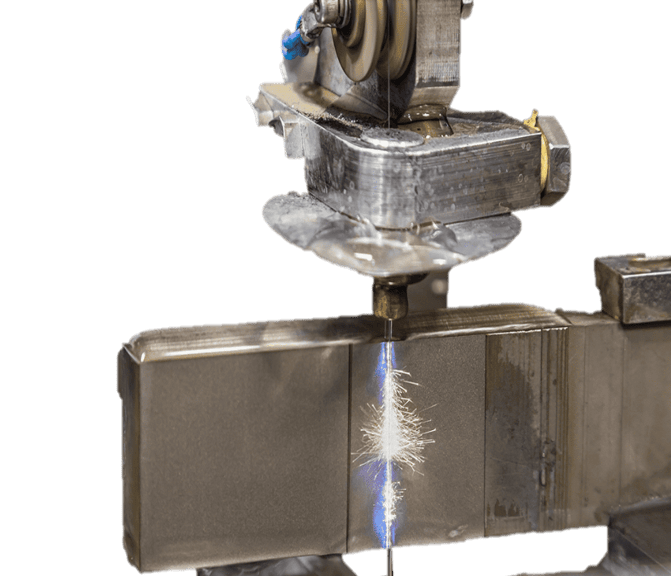
    Unlike conventional metal machining, the copper or graphite electrode in EDM does not directly touch the workpiece. The process works by maintaining a microscopic gap and generating tens of thousands of electrical sparks (arcs) to instantly melt and erode the metal surface.

    Therefore, the role of EDM fluid is not ‘lubrication’ to prevent physical collision between metals, but rather the following three functions:

    • Insulation: Acting as a dielectric barrier to ensure sparks fire precisely at the desired moment.
    • Cooling: Dissipating the intense heat from the sparks, which can reach thousands of degrees.
    • Flushing: Washing away the melted metal debris (chips).
    • Here, viscosity is the key factor that directly impacts this third function: ‘flushing.’
    2. The Fatal Flaw of High Viscosity: ‘Degraded Flushing Efficiency’

    During electrical discharge machining, an immense volume of metal particles and carbon sludge accumulates within a narrow clearance of under 0.01mm. What exactly occurs if these byproducts stagnate in the machining zone?

    • Occurrence of Secondary Discharges: Sparks that are supposed to strike the surface of the workpiece hit the floating debris instead, detonating in the wrong places. This ruins the surface finish—which should be as smooth as a mirror—and causes irregular wear on expensive electrodes.
    • Drastic Drop in Machining Speed: When the discharge gap becomes unstable because debris cannot escape, the EDM machine’s sensors halt spark generation and repeatedly lift the electrode (a motion known as ‘jumping’ or retraction). The stickier the oil, the slower it washes away this debris, leading to an exponential increase in total cycle time.
    3. How Low-Viscosity EDM Fluid Boosts Machining Speed

    Using an optimized, low-viscosity EDM fluid resolves all of these issues.

    • Exceptional Penetration and Flushing Power: Low-viscosity fluid, flowing as freely as water, rapidly penetrates to the very bottom even during narrow and deep-hole machining to instantly flush out microscopic chips.
    • Stable Discharge Maintenance: Because the rapid evacuation of chips keeps the spark gap perfectly clean, the machine can continuously fire sparks at 100% speed without any unnecessary interruptions.
    • Superior Cooling Efficiency: Lower viscosity facilitates better heat conduction and fluid convection. This rapidly dissipates heat from the machining zone and prevents the thermal deformation of the mold.
    4. Dyna Solution’s Technological Prowess: The Perfect Balance Between ‘Low Viscosity’ and a ‘High Flash Point’

    Does that mean an oil as thin as water is always the absolute best? Unfortunately, from a fluid dynamics perspective, lowering an oil’s viscosity simultaneously lowers its flash point. This creates a paradox where the risk of fire increases dramatically.

    Dyna Solution Co., Ltd. has completely overcome this paradox through special additive blending and synthesis technologies accumulated over the past 30 years.

    Dyna Solution’s EDM fluid is a high-end product that maintains an ‘ultra-low viscosity’ optimized for chip evacuation while simultaneously achieving a ‘high flash point’ that thoroughly eliminates fire hazards. On top of this, our powerful ‘sedimentation’ technology quickly settles debris to the bottom of the tank, drastically extending your filter’s lifespan.

    Based on this proven excellence, our fluids have passed rigorous performance tests and are currently being supplied to major corporations in Korea.

    Are you struggling with machining speeds that just aren’t what they used to be, no matter how much you tweak the EDM settings? Are you dealing with surface pitting defects or frequent filter clogging? There is a high probability that it is not a machine issue, but rather an ‘oil viscosity’ problem. Experience Dyna Solution’s customized EDM fluid solutions today and achieve the ultimate combination of workplace safety and maximum production speed.

    Dyna Solution Co., Ltd.
    Industrial Lubricant Solution

    E-Mail : dyna@dynachem.co.kr
    Web : dyna.co.kr/en/
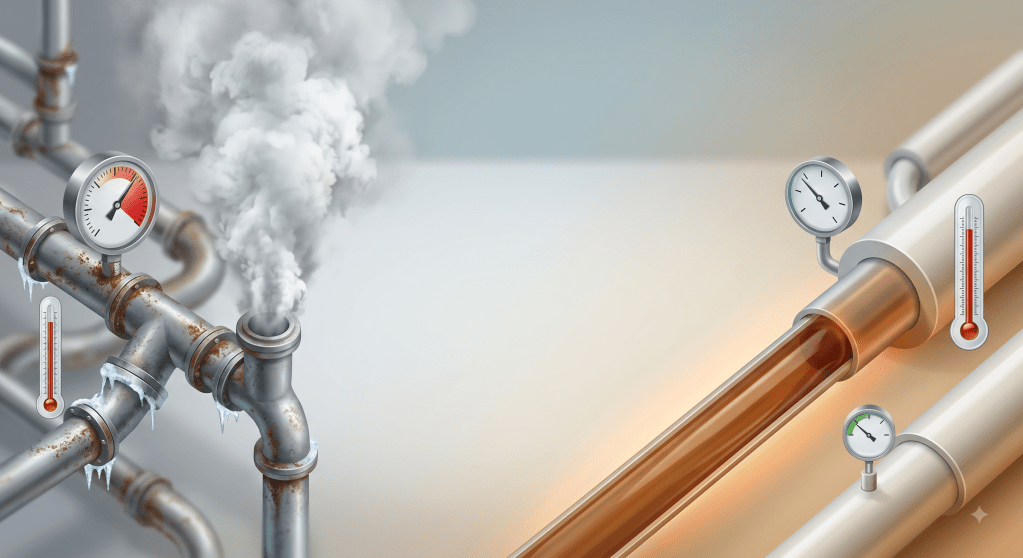
  • There is a concern that anyone working in a metalworking site, especially one using water-soluble cutting fluids, has likely experienced at least once: the pungent stench that fills the factory on Monday mornings. This odor is more than just an unpleasantness; it is a clear warning sign that the cutting fluid has ‘rotted.’ If left unchecked, it leads to fatal consequences, including reduced factory yields and threats to workers’ health.

    Today, on the Dyna Solution technical blog, we will explain in an easy-to-understand manner the scientific causes of water-soluble cutting fluid spoilage and the warning signs that allow for rapid detection, all for the benefit of field practitioners.

    Why Does Spoilage Occur? – The Bacterial Attack

    Water-soluble cutting fluids, created by mixing water and oil, are the ideal ‘breeding ground’ for microorganisms. The fundamental cause of spoilage is the proliferation of microorganisms (bacteria and fungi).

    What is happening inside the cutting fluid tank?

    Water is Life

    Water makes up more than 90% of water-soluble cutting fluid. Water provides an essential environment for bacteria to thrive.

    Abundant ‘Food’ Supply

    Cutting fluid tanks are overflowing with excellent food sources for bacteria, such as chips (metal shavings) generated during the machining process, oil mixed in from the outside (external oil), and worker sweat or dust. In particular, the contamination of ‘external oil’ is the largest food source for putrefactive bacteria.

    Optimal Temperature and Oxygen

    The hot factory temperatures during the summer maximize bacterial activity. Additionally, while oxygen is continuously supplied via pumps during machining, the supply is cut off on weekends when the machines stop, causing ‘anaerobic bacteria’ to begin multiplying rapidly.

    These anaerobic bacteria consume chips and external oil while emitting hydrogen sulfide gas, which is the cause of the rotten egg smell emanating from the factory on Monday mornings.

    How Do You Know About Corruption? – 3 Warning Signs Sent by Cutting Fluid

    Even before cutting fluid has completely spoiled and emits a foul odor, the fluid constantly sends us danger signals. Quickly detecting and addressing these signals is key to saving costs.

    Signal 1: The Most Certain Warning – Odor

    This is the most intuitive signal. If you arrive at work on Monday morning and notice a rotten egg smell, gas, or sour odor around the tank, spoilage is already quite advanced. It often starts with a faint sour smell, so you must pay attention if you notice any unusual odors.

    Signal 2: An Unmistakable Indicator – pH Fluctuations

    Cutting fluid is typically healthiest when it maintains a slightly alkaline pH of around 8.5 to 9.5. However, as bacteria multiply, they release acidic substances, which lowers the pH.

    If pH drops below 8.0: Spoilage is already actively in progress, a critical condition that causes corrosion in molds and equipment. You can detect spoilage early simply by checking daily with a simple pH test strip.

    Signal 3: Visible Changes – Color, Foam, Emulsion Separation

    If the color of your cutting fluid, which was once clear, turns cloudy to a dull gray or black, or if you suddenly notice more foam than usual, you should suspect bacterial waste or chemical deterioration of the emulsion. Additionally, the separation of oil and water, which floats black on the top of the tank, is also a result of spoilage.

    Spoilage Management is the First Step in Factory Management

    Spoilage of water-soluble cutting fluids is not merely a matter of foul odors. Spoiled fluids reduce cutting performance, shortening mold lifespan and inflicting massive “hidden costs” on the factory, including increased costs (TCO) due to frequent fluid replacements and the development of dermatitis and respiratory diseases among workers.

    If you are struggling to improve yields due to frequent odor and spoilage issues, please explore Dyna Solution’s accumulated field data and consulting to find an optimized low-spoilage cutting fluid solution tailored specifically to your company.

    Dyna Solution Co., Ltd.
    Industrial Lubricant Solution

    E-Mail : dyna@dynachem.co.kr
    Web : dyna.co.kr/en/
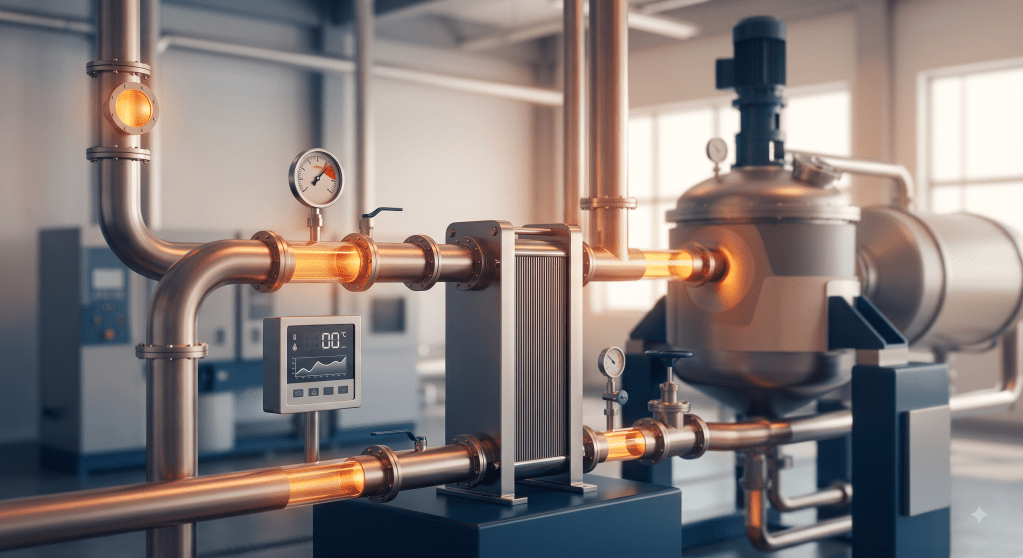
  • As raw material prices surge and manufacturing cost pressures intensify, ‘consumables’ are often the very first target for cost reduction in many mold and parts machining facilities. Among these, the hundreds of liters of Electrical Discharge Machining (EDM) fluid required for EDM machines present a noticeable difference in unit price, making it incredibly tempting to opt for ‘low-cost oils’ that are cheaper by even just a few cents per liter.

    However, while it may look like costs have been successfully reduced on paper for the purchasing department, expenses that are several times larger are leaking out in real-time on the shop floor. Today, we are going to thoroughly break down the ‘hidden maintenance costs’ that are so easy to miss when you only compare the initial unit price of oil in the EDM process.

    1) Hidden Cost 1: Cost Explosion Due to Frequent ‘Filter’ Replacements

    Because electrical discharge machining (EDM) is a process that erodes metal by melting it with electricity, it inevitably generates an enormous amount of fine metal dust and carbon sludge (debris). This is where the ‘Settling Property’—the most significant performance difference between premium EDM fluids and low-cost products—reveals itself.

    • Premium EDM Oil: Rapidly settles the debris to the bottom, keeping the machining area clean and minimizing the amount of sludge being pumped into the filter.
    • Low-Cost EDM Oil: Due to poor settling properties, debris remains suspended and floats within the fluid. This highly contaminated oil flows directly into the filter.

    What is the result? When using low-cost oil, the rate at which expensive paper or cartridge filters clog becomes two to three times faster.

    For example, suppose a factory that previously used 4 filters a month (200,000 KRW) at 50,000 KRW each experiences a shortened replacement cycle after switching to low-cost oil, forcing them to use 10 filters a month (500,000 KRW). This means an additional 3.6 million KRW simply evaporates annually per machine on filter costs alone. Ultimately, you end up paying significantly more for the extra filters than the money you initially saved on the oil.

    2) Hidden Cost 2: Shortened Oil Lifespan and Exorbitant ‘Waste Oil Disposal Costs’

    Low-cost EDM oil has extremely poor oxidation stability, making it highly vulnerable to the high-temperature electrical sparks (arcs) generated during machining.

    • Degradation progresses rapidly, causing the oil to turn pitch black and emit a foul odor.
    • Viscosity increases sharply, which degrades flushing performance and significantly slows down the machining speed.

    Ultimately, this leads to a situation where the oil fails to meet its normal lifespan (typically 1 to 2 years), and the entire volume must be replaced in just 6 months. EDM machines require a massive amount of fluid per change, usually measured in 200L drums. Not only do you have to bear the cost of purchasing the oil twice, but the exponentially rising eco-friendly waste (waste oil) disposal costs also fall entirely on the factory’s shoulders. The financial loss from machine downtime, as operations must be halted to change the oil, is just an added burden.

    3) Hidden Cost 3: Electrode Wear and Increased Defect Rates Due to Secondary Discharges

    When debris fails to settle properly and remains suspended in the oil, normal electrical discharges between the electrode and the workpiece are disrupted. Instead, sparks jump to the floating debris, causing what is known as a ‘secondary discharge’.

    This leads to the following critical quality degradation:

    1. Decreased Machining Speed: Energy is dispersed to unnecessary areas, lengthening the time required to reach the target depth.
    2. Degraded Surface Finish: Surfaces that are supposed to be smooth end up pitted or scorched black, leading to a sharp increase in post-processing (polishing) time.
    3. Wear of Expensive Copper/Graphite Electrodes: Abnormal electrical discharges quickly erode the electrode tips, driving up the already high costs of electrode fabrication.

    Conclusion: Buy ‘Productivity,’ Not Just the ‘Unit Price’ Per Liter

    EDM fluid is the lifeblood of the mold machining process. If the “blood” (oil) becomes murky and contaminated, the entire machine falls ill and grinds to a halt.

    With over 30 years of accumulated technological expertise in metalworking fluids, Dyna Solution Co., Ltd. firmly rejects the race to the bottom in simple low-price competition. Our lineup of high-purity synthetic EDM fluids is engineered to resolve your factory’s chronic filter clogging issues and drastically reduce long-term costs, driven by exceptional settling properties, high oxidation stability, and a high flash point (fire safety).

    Are you inadvertently paying hundreds of thousands of won in monthly filter replacements and massive defect penalties just to save a few hundred won on the immediate unit price of oil?

    Consult with the experts at Dyna Solution today to receive a comprehensive diagnosis of the hidden costs in your EDM line and start achieving genuine cost reduction.

    Dyna Solution Co., Ltd.
    Industrial Lubricant Solution

    E-Mail : dyna@dynachem.co.kr
    Web : dyna.co.kr/en/
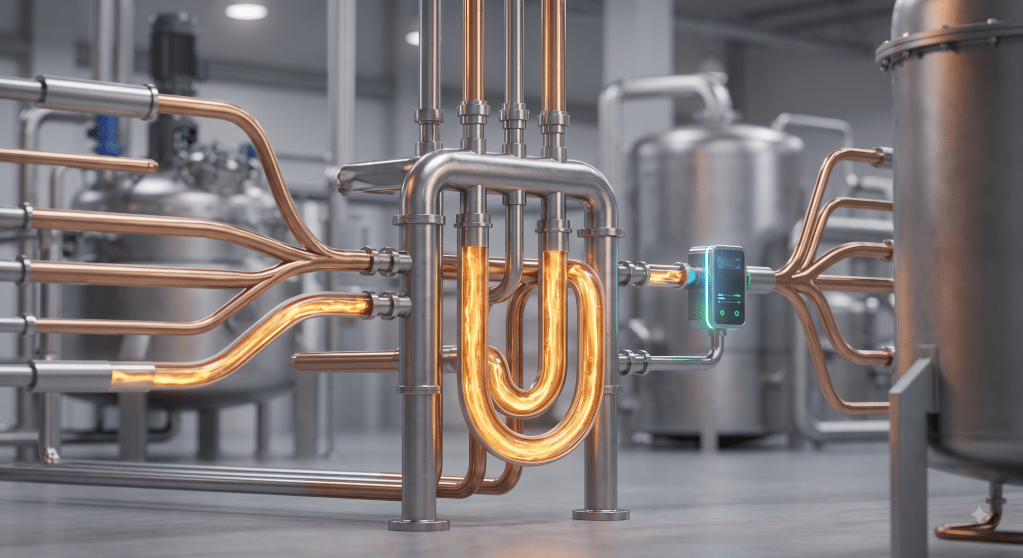
  • In high-speed press machining environments producing ultra-precision electronic components, secondary battery parts, and semiconductor lead frames, a constant war against “friction” is waged every second. In harsh conditions where ultra-thin materials of 0.1mm or less are processed at hundreds to thousands of strokes per minute (SPM), immense heat and pressure are generated on the die surface.

    The key to preventing die wear and reducing product defect rates lies in controlling “Boundary Lubrication.” Today, we will explore the principles of boundary lubrication, which determines die life in high-speed stamping processes, and the film control technology used to overcome these challenges.

    The 3 Stages of Lubrication and the Stribeck Curve

    To understand how lubricants act between two moving metal surfaces in contact, it is helpful to look at the “Stribeck Curve.”

    The Stribeck Curve is a crucial concept in mechanical engineering and tribology. It is a graph that visually demonstrates how a lubricant behaves between two metal surfaces and how the friction coefficient changes.

    Generally, the vertical axis represents the friction coefficient, and the horizontal axis represents the relationship between speed, lubricant viscosity, and load (typically in the direction of increasing speed).

    As illustrated by the graph, the lubrication state is broadly divided into three regimes based on the thickness of the lubricating film:

    1. Hydrodynamic Lubrication: The ideal state where the two metal surfaces are completely separated by a thick fluid film. Friction is at its lowest.

    2. Mixed Lubrication: The transition zone where the fluid film thins out, and the microscopic peaks
    (asperities) on the metal surfaces begin to partially make contact.

    3. Boundary Lubrication: The state where the liquid film breaks down due to extreme loads or changes
    in speed, causing the asperities on the metal surfaces to collide directly.

      Why is High-Speed Press Machining Always in a State of ‘Boundary Lubrication’?

      Unlike general mechanical components, high-speed stamping and precision press machining are inherently forced into a boundary lubrication state.

      During the process of shearing or forming metal under intense pressure (load), the lubricant between the punch and the die is squeezed out. Especially when processing ultra-thin materials of 0.1mm or less, the clearance is extremely tight, causing the typical liquid film to break down instantly.

      Failing to properly control this boundary lubrication state leads to the following critical issues:

      • Adhesion and Galling: Metal asperities are torn away, generating metal chips (dust) that weld or stick to the die surface.
      • Indentation/Scratch Defects: The generated micro-metal chips scratch or dent the product surface.
      • Reduced Die Life: The wear of the die accelerates rapidly, significantly shortening the resharpening cycle.

      The Solution for Maximizing Die Life: Film Control Technology

      To protect the die in place of the broken liquid film, a chemical approach beyond simple base oils is required. Dyna Solution’s high-performance stamping oils incorporate Film Control Technology, specifically designed to operate under these extreme boundary lubrication conditions.

      1. Chemical Reaction of Extreme Pressure (EP) Additives
      This technology utilizes the high frictional heat (hundreds of degrees) generated during machining to its advantage. Special EP additives (sulfur, phosphorus, chlorine-based, etc.) included in the stamping oil react with the frictional heat to chemically bond with the metal surface. This newly formed solid lubricating film (metal compound film) prevents direct metal-to-metal friction even when the liquid film is broken.

      2. Physical Adsorption of Anti-Wear (AW) Additives
      Under relatively lower temperature and load conditions, AW additives firmly adsorb onto the metal surface to form a thin protective barrier. This prevents microscopic wear on the die from continuous impacts during high-speed machining.

      3. The Balance Between Cleanability and Residue
      Particularly for secondary battery components or semiconductor materials, lubricant residue after machining severely impacts quality. An excellent stamping oil must deliver powerful boundary lubrication performance while being cleanly removed without leaving residue during post-processes (cleaning and drying).

      Summary

      The core of extending die life and improving production yield in high-speed press machining depends on “how to chemically protect against the unavoidable boundary lubrication state.”

      Beyond simple lubrication, Dyna Solution pr ovides customized solutions that boost factory productivity through optimal additive formulations tailored to material thickness, composition, and machining speed. If you are struggling with frequent die wear or indentation defects during ultra-thin metal processing, we highly recommend contacting Dyna Solution to evaluate the boundary lubrication control capabilities of your current stamping oil.

      Dyna Solution Co., Ltd.
      Industrial Lubricant Solution

      E-Mail : dyna@dynachem.co.kr
      Web : dyna.co.kr/en/

    1. Cylindrical battery cans, sink bowls, automotive oil pans, and beverage cans. What do these all have in common? They are all manufactured using the Deep Drawing process, which seamlessly presses flat sheet metal into deep, three-dimensional cylindrical shapes.

      Deep drawing is an advanced manufacturing technique that maximizes the plasticity of metal (its ability to permanently deform under applied force). However, as the drawing depth increases, defects become highly common—materials either fail to withstand the stress and tear (fracture), or their surfaces buckle and pucker (wrinkle).

      Even after hundreds of die design modifications on the shop floor, high defect rates can stubbornly persist. The hidden solution often lies in an unexpectedly thin layer of oil—less than 0.1mm thick—which comes down to optimizing the friction coefficient.

      1. The Dilemma of Deep Drawing: Tearing vs. Wrinkling

      The deep drawing process takes place when a punch forces a metal sheet (blank) into a die cavity. To control how the edges of the sheet are drawn into the die, a blank holder presses down firmly on the material from above. This is where the engineers’ dilemma begins.

      • Wrinkling Defects: If the holding force (blank holder pressure) is too weak, the metal flows into the die irregularly, causing the edges to buckle and wrinkle.
      • Tearing Defects: What happens if you increase the blank holder pressure to prevent wrinkling? The metal resists sliding into the die. As the punch forcibly pushes down, the material cannot overcome the resulting friction and tensile stress, leading to tears along the side walls or bottom corners.

      Ultimately, successful deep drawing comes down to friction control—holding the blank tightly enough to prevent wrinkling, yet allowing it to slip smoothly enough to prevent tearing.

      2. The Secret to Optimizing Friction Coefficients: “Boundary Lubrication” and Drawing Oils

      The only way to resolve this contradiction—applying intense pressure while ensuring a smooth slip—is by using a high-performance deep drawing oil (also known as drawing or stamping fluid).

      Hundreds of degrees of frictional heat are generated at the forming site due to the punch’s extreme pressure. Standard lubricants cannot withstand this heat and pressure; their oil film breaks down, causing direct metal-to-metal contact between the die and the blank. This causes a sudden spike in the friction coefficient, tearing the material.

      High-precision drawing oils designed to maximize yield use special additives to form a Boundary Lubrication Film.

      • Extreme Pressure (EP) Properties: These create a strong chemical bonding film between the mold and the material, protecting the oil film from rupturing under any high-temperature or high-pressure conditions.
      • Slip Properties: This maintains an optimal friction coefficient (slipperiness) so the metal structure can flow smoothly into the die cavity, even under heavy blank holder pressure.

      3. The Impact of Pressure and Lubrication on Deep Drawing

      The aforementioned “lubrication performance (friction coefficient)” and “blank holder pressure” must be perfectly balanced. Achieving high-quality forming results requires advanced lubrication performance.

      If the pressure is too low, wrinkling occurs. If the pressure is high but lubrication is insufficient, the material tears.

      4. Drawing Oil Selection Checklist for Your Facility

      As seen in the simulation, successful deep drawing is impossible without advanced lubrication performance. The thicker the material and the deeper the drawing depth (the higher the draw ratio), the more stringent your drawing oil selection must be.

      For successful deep drawing, be sure to verify the following three factors:

      • Is the Extreme Pressure (EP) additive formulation suited for the material? (The mechanism for oil film formation must adapt to the physical strength and chemical properties of the specific metal, whether it is stainless steel, aluminum, or copper.)
      • Does it maintain the correct viscosity for the operating temperature? (If the oil is too thin, the protective film will rupture under high pressure. If it is too thick, it will cause pumping issues and poor chip evacuation.)
      • Does it offer excellent post-process cleanability? (Because deep drawing oils have high viscosity and heavy additive content, cleaning them off after processing is notoriously difficult. The oil must be highly compatible with the solvents used in your cleaning line to prevent subsequent plating or welding defects.)

      Yield innovation begins when you win the “invisible war against friction.” If you are struggling with frequent die wear and unexplained tearing defects, it is time to move away from the stopgap measure of simply applying more oil. Instead, transition to a premium, custom-formulated fluid that fundamentally controls the friction coefficient.

      Break through the yield limitations of your deep drawing process with the accumulated field data and expert consulting of Dynasolution Co., Ltd.

      Dyna Solution Co., Ltd.
      Industrial Lubricant Solution

      E-Mail : dyna@dynachem.co.kr
      Web : dyna.co.kr/en/